Cultural Differences in Eldercare
LatinX/Hispanic Americans
Nearly 7 million Latinos in the U.S. provide unpaid care to an aging or older loved one. Many Latino family caregivers see caregiving responsibilities only as something family members do for one another and do not seek outside help.
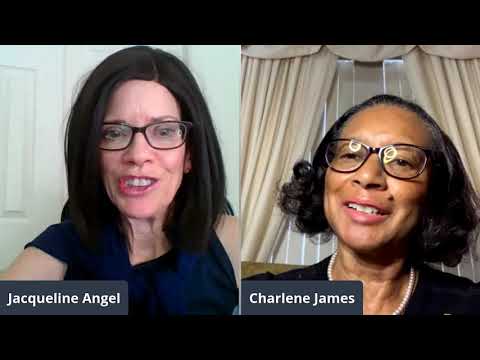
Today, the face of the Latino caregiver is changing. Jacqueline Angel, professor of public affairs and sociology at the University of Texas at Austin, recently penned an opinion article in the Houston Chronicle. She wrote about the challenges facing Latino caregivers.
“There are many changes in our society that highlight and animate new challenges for the Latino population, specifically for the Latino caregivers,” said Angel. “I have done research over the last 30 years, founded by the National Institute on Aging, to look at these important health and care needs for the Latino population.”
Angel said her studies focused on older Latinos and community members trying to age in place. The idea was to look at the strength of the Latino families, look at the underlying problems they face, and how to address the needs.
“One of the major issues is that the Latino population is living very long lives because of the advances in public health and medical care,” she said, noting that Latinos of Mexican descent in the U.S. are spending about two-thirds of their lives after age 65 with compromised health.
Angel, who has studied older Mexican Americans since 1982, said the study addressed individuals, their caregivers, and their families.
“We have a very rich set of data to see how these changes affect their ability to care for one another. In terms of the resources they need,” said Angel. “The two most common conditions in the Latino population that caregivers are reporting are Type 2 diabetes and dementia or Alzheimer’s Disease.”
Angel said her work revealed that younger family members are stepping up more often to care for older family members.
“Since the turn of the century, we have seen tremendous transformations to families,” said Angel.
Angel said jobs with caregiving leave, resources, and retirement accounts are needed today. She said the Latino caregiver’s new role requires more training, more intensive care, and more extended periods of caregiving care.
“Latinos’ high desire to take care of aging parents is so rooted in the culture that they can buffer off the challenges that they’re facing,” said Angel. “Even though there are high demands on caregivers in the Latino population, we see a tremendous amount of resilience.” (AARP)
Read more:
Hispanic Caregiving in the United States
Honoring the Stories of Hispanic Caregivers Unites us All (National Council on Aging)
Caregiving in the Latino Community (Stanford)
Latinos Spend $7,167 a Year Caring for Aging Loved Ones
Arab Americans
Arab-Americans are residents of the United States (US) who trace their heritage or identity back to one of 23 Arab countries. This is a historically understudied minority group in the United States and their health needs and risks have been poorly documented. In the literature that I found for the purposes of this lecture, one report indicaed, "Relationships between Middle Eastern patients and Western health care professionals are often troubled by mutual misunderstanding of culturally influenced values and communication styles. Although Middle Easterners vary ethnically, they do share a core of common values and behavior that include the importance of affiliation and family, time and space orientations, interactional style and attitudes toward health and illness. Problems in providing health care involve obtaining adequate information, “demanding behavior” by a patient's family, conflicting beliefs about (end of life) planning ahead and differing patterns of communicating grave diagnoses or “bad news.” (Penn State). Caregiving is primarly done in the "in-home" and "informal" setting, and it is rare for formal caregivers to be included in the home care dynamic.
Care for persons with dementia from the Middle East and North Africa (MENA) is undertaken predominantly by family members, domestic workers, and private nurses within the home. Domestic caregivers possess different understandings and varying degrees of knowledge of dementia that are influenced by complex socio-cultural and religious factors. With much of the burden falling on the shoulders of “invisible” caregivers, the role and needs of these individuals require deeper scrutiny. (Sage Journal of Transpersonal Psychology)
Read More:
Cultural and Tradition in Detroit's Eldercare Community
COVID-19, aging, dementia and social bonds; an Arab American perspective
Asian Pacific Island American Elderly
The care of elders among Asian Americans and Pacific Islanders (AAPIs) carries with it attitudes, beliefs, and practices that can be starkly different from those of the general population. Since most AAPIs age 50 and older are immigrants, they have expectations brought from their home countries that may or may not be expressed, nor able to be met by their more acculturated children or grandchildren living in a different environment, and who would be facing the burden of care.
n AAPI families, filial piety and respect for elders is a core value. Physical family togetherness is desired and multigenerational households are common. AAPIs are more likely to believe that caring for parents is expected of them. In fact 42 percent of Asian Americans and Pacific Islanders in a nationwide survey were helping to care for elders versus just 22 percent of the general population.
AAPIs are more likely to take charge of caregiving for their elders, more resistant to place their elder in institutional facilities, and more reluctant to discuss end of life related issues than other racial/ethnic groups.
The AAPI community's caregiving needs include: care of family elders, long term care insurance, resources and tools in caring for elders, transportation and savings to access services, information on support and available services, in-language services for some Asian ethnic groups, and culturally sensitive outreach and services for caregiving.
sian cultures place a heavy emphasis on filial piety — the expectation children will support their parents in old age.
Historically, filial piety played an important role when families were large, pension schemes unavailable and life expectancy was around 50 years old.
Today, however, families both in Asia and America are much smaller, divorce rates and rates of non-marriage are increasing, and fewer adult children are living with their parents. So, faced with the growing need for caregiving, and the shrinking available caregiver pool, more Asian Americans are utilizing formal caregiving.
For more, please read:
Caregiving Runs Deep in AAPI Community
Caregiving Among Asian/Native Hawaiian/Pacific Islander
National Asian Pacific Center on Aging
Asian American Older Adults in the US - A Sense of Belonging and Care (American Bar Association)
African American
Comparisons of informal caregiving by Black and White older adults showed that Blacks were more likely to be caregivers and more likely to assist friends. Blacks have frequent contact with family, relatives, friends and neighbors, although they utilize the members of their network differently for emergency and non-emergency situations (Petchers, 1987).
It has been noted that the probability of caregiving in African Americans increased in those who are married, with substantial amounts of care to others with health problems and disability provided by those older than age 65 (McCann et al., 2000).
In a study of African American caregiving for a relative with Alzheimer’s disease, it was shown that caregiving, a traditionally female role, is not only a traditional family value, but an act of love, and that frequently, social supports serve to mediate caregiver burden (Steritt, 1998). It has been noted that Black caregivers report less depression than White caregivers and have greater self-efficiency in managing caregiving problems (Haley et al., 1996).
Although African Americans have been found to be in potentially more severe caregiving situations than Whites, they had more favorable psychological indicators of stress. While Black and White caregivers differed in coping responses, they did not differ in social supports in caring for someone with Alzheimer’s disease (Wallsten, 2000).
White caregivers are more likely to be spouses whereas African American caregivers are more likely to be adult children, extended relatives or friends. (Dilworth-Anderson 2002)
In general African American caregivers as compared to white caregivers are more likely to be younger, unmarried, with less formal education and fewer financial resources (Haley, 1993).
Because of their lower income and higher poverty rates, the financial stress of care giving may pose more of an emotional burden on African American caregivers. African American compared to white caregivers are more likely to provide more hours of care, higher intensity care and to report unmet needs in terms of support and access to services (Piquant, 2005; McCann et al. 2000).
Many African American caregivers are also actively caring for more than one person such as children, grandchildren or other family members (McCann 2000). Even though African American caregivers are caring for severely debilitated older adults and other family members, they are less likely than White caregivers to use formal care services such as nursing homes (Wallace 1998). (Stanford)

For more, please read:
Profile of African American Caregiving (AARP)
It’s Time to Meet the Needs of African American and Black Caregivers (American Society on Aging)
First Nations
The oldest, yet smallest population of older adults is the first nations elders. In tribal communities, elders are considered the “wisdom-keepers” and are held in the highest regard. However, these same American Indian and Alaska Native elders comprise the most economically disadvantaged group in the nation and are at increasing risk of financial exploitation and neglect.
American Indians and Native Alaskans continue to be one of the most understudied and underserved groups in terms of health care and elderly care. This fact, combined with a projected double in the aging population who will soon require long-term care, has created a crisis on reservations and native populations.
With poverty rates double the national average – as well as higher morbidity and higher likelihood of chronic diseases – American Indians already face a steep uphill battle when it comes to achieving equity in health care. These statistics become even more daunting for aging American Indians navigating care.
American Indian elders receive the bulk of their long-term care from informal caregivers (John, 1988). Although there has been an abundant amount of attention given to caregiving issues in the gerontological literature, knowledge of caregiving issues specific to American Indians is far less developed than for other racial and ethnic groups. Only a handful of published studies have examined adult caregiving issues in this population, with an almost exclusive focus on burden or stress.
One study by Hennessy and John (1995, 1996) indicated that the American Indian caregivers emphasized the positive dimensions of caregiving rather than just the negative ones. She also identified a coping strategy unique to American Indians which she labeled “passive forbearance,” defined as accepting and adapting to the caregiving role rather than trying to control it.
Many reservations lack nursing homes because of a combination of the Medicaid certification process and their association by many with dying. For this reason, it’s both practical and respectful to keep seniors aging in place for as long as it’s safe and manageable.
Read more:
Resource – I Can’t Remember: A Native Family’s Story of Dementia
National Resource on Native American Aging
LGBTQ+
I realize that the categories of culture that you've just read are distinctly geographic in nature. However, there is one subset of ALL cultures that must be addressed as its own discrete culture because the needs are unique, the culture is distinct, and the research indicates that there are very specific caregiving needs for older LGBTQ+ adults.
Since Jan. 1, 2011, approximately 10,000 baby boomers (born between 1946 and 1964) turn 65 each day (Orel, 2013). Between 2000 and 2010, the population of Americans 65 and over increased by about 15 percent compared to the overall U.S population, which increased at a rate of 10 percent (Werner, 2011). Recent population-based surveys also indicate approximately 3.5 percent of adults in the U.S. identify as lesbian, gay, or bisexual, and 0.3% of adults identify as transgender. This equates to nearly nine million people in the lesbian, gay, bisexual, transgender and queer (LGBTQ+) community (Ard & Makadon, 2012), of whom 1.5 million are over the age of 65 (Sage general facts & discrimination, 2012-2015). Studies show these elders are fearful for their safety as they age and require more care.
LGBTQ+ baby boomers, also known as “Stonewall seniors” (in honor of those who fought for gay rights and equality in the 1960s) are considered to be the first “out” generation in LGBTQ+ history (Fitzgerald, 2013). Stonewall Seniors are now retiring, becoming frailer, and beginning to think about their needs as older adults. This includes the possibility of having to depend on others for care. However, many LGBTQ+ seniors are not seeking care out of fear that direct care workers, who provide home-based personal care, might discriminate against them. In addition, they also fear possible abuse, or the unwanted intrusion of a religious caregiver who requests the person needs to ask forgiveness for their homosexual behavior.
Many LGBTQ+ elders are estranged from their biological families and have personal experience of discrimination and ostracism that make them wary of medical and social service providers. They may rely on “families of choice” — close friends, former partners or younger relatives such as nieces and nephews — rather than a spouse or next of kin.
Many LGBTQ+ seniors go back into the closet because of a lack of family or social support in health care, assisted living and hospice facilities. If you read the article, "Many LGBTQ Senior's Don't Get the Healthcare that they Need" you will hear the story of a woman who's wife told her not to disclose that they were a lesbian couple for fear that they would be treated differently in the hospital.

Read more:
Special Concerns of LGBTQ+ Caregivers (Family Caregivers Alliance)