(Fair warning: this is a LONG lecture. Pace yourself!)
When the Mind Is Under Siege
One of the most dangerous assumptions people make about aging is the belief that emotional suffering, confusion, hopelessness, or severe cognitive change are simply “part of getting old.”
They are not.
By now, we have spent considerable time discussing normal cognitive aging. We have explored changes in attention, processing speed, memory retrieval, learning, adaptation, and wisdom across adulthood. We have also discussed the reality that cognition is highly contextual. Sleep, stress, pain, sensory loss, medication, grief, environment, social isolation, and chronic illness all shape how people think and function.
This lecture moves into different territory.
Here, we examine what happens when psychological functioning becomes disrupted by mental illness, neurological disease, chemical dependency, biological injury, or severe emotional distress. And honestly, one of the most important things to understand is that mental illness in older adults is often hidden in plain sight.
Not because it is rare.
Because people expect suffering in older adults and therefore stop looking closely.
An exhausted caregiver who has stopped sleeping.
A widower drinking himself numb every evening.
An isolated older woman who slowly stops eating, bathing, and answering the phone.
A man who retires and quietly loses his entire sense of identity within six months.
An older adult whose untreated hearing loss slowly pulls them out of conversation and into social withdrawal.
A hospitalized patient who becomes suddenly terrified and hallucinating after surgery.
A Parkinson’s patient whose face no longer expresses emotion while their mind remains fully aware inside a body that increasingly refuses to cooperate.
These are not abstract textbook concepts.
These are real human experiences.
And one of the hardest things about studying mental health and aging is recognizing that the suffering is often quiet.
What Happens to our Cognition as We Age?
As we age, we experience changes in how our senses process the information around us. Our senses become less sharp, which makes it harder for us to notice details in our environment. These changes can impact how we live. If our hearing or our vision prevents us from communicating, enjoying our regular activities, or limiting our social life, our sense of belonging can deteriorate. Sensory changes can lead to us feeling isolate. We rely on our senses to inform us about our world, and it gives us a sense of safety and predictability. If we lose our ability to perceive sound, light, smells, taste, or touch, we can feel disconnected.
What can we do to offset any declines in our sense? We use technology! Prescription glasses can help with presbyopia. Yellow tints in those glasses can help with glare and even make it easier to drive at night. Hearing aids can help with sound amplification. Good dental work (and dental hygiene) can improve the taste of food.
What Happens to the structure of our brain as we age?
There are two ways to explore the changes that occur with the human brain during the aging process. The first is to explore the actual structure of the brain, and what "normal" vs. "degenerative" brain cells and structures look like. This course isn't designed to go into great depth about the biology of the human brain, but as you work with older residents, you will need to have a general understanding of how the human brain functions, and what can go wrong. Let's first look at the basic design of the brain as it experiences normal aging.
Please watch the video:
What Happens When Things Go Wrong?
The typical changes that accompany aging, both in our bodies and brains, can lead to some uncomfortable moments - physical discomfort and emotional embarrassment. My 54-year old body can tell you when it's been dancing too much because my knees swell. I also know how frustrating it is to walk into a room with great purpose and realize that I have no idea what I was looking for! These, however, are incidents of "normal" age changes.
It becomes necessary in healthcare (and life) to be aware of when something is going wrong. The problem can be acute - sudden onsets - like a burst appendix, a pulled or torn muscle, or a medication reaction that makes us suddenly confused or agitated. They happen quickly, unpredictably, and usually stand out as something OUT of normal.
The more insidious problems are the chronic issues that catch up with us slowly. They come on over a length of time, and we may not notice the problems until they become so intense that they get our attention. A good example of this is chronic pain. We start out with a small twinge in our shoulders, and by the time we really start paying attention to our pain, we can't lift our arms. (I speak from experience on this one.) . Maybe the symptoms are so subtle that we never notice them, and it is our friends or family who notice.
As our brains age, our mental abilities change. The first change occurs as we mature, developing strong neural connections while building brain tissue. The second change happens when those billions of complex interconnections start to decline. This is when we see movement and reflexes slow and a reduction in the capacity of sensory organs.
There are several neurodegenerative conditions that are more common among those over age 65. Parkinson's Disease, Huntington's Disease, Alzheimer's Disease, Multi-Infarct Dementia, Lewy Body Disease, and Multiple Sclerosis are all common degenerative diseases, and you will probably see patients with these diagnoses if you work in the field of aging.
If you look at the graphic below, you will see examples of four of these neurodegenerative conditions and the parts of the brain that they affect the most.
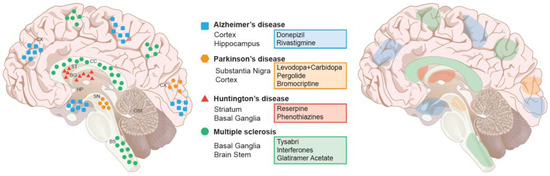
Different neurodegenerative diseases affect different parts of the brain. In order to understand what is happening in each kind of dementia, it is important that you know what each of these parts of the brain are used for:
The basal ganglia are group of subcortical nuclei responsible primarily for motor control, as well as other roles such as motor learning, executive functions and behaviors, and emotions.
The brainstem (brain stem) is the distal part of the brain that is made up of the midbrain, pons, and medulla oblongata. ... All of these brainstem functions are enabled because of its unique anatomy; since the brainstem houses cranial nerve nuclei and is a passageway for many important neural pathways.
The striatum is a subcortical structure in the forebrain that forms the major input to the basal ganglia. The striatum can be further subdivided into dorsal (caudate, putamen) and ventral (nucleus accumbens), and is implicated in regulating motor behaviors and responses to rewarding and aversive stimuli.
Substantia nigra is a relatively small yet very important structure in human brain. It is a motor nucleus present in the midbrain. Substantia nigra plays an important role in the regulation of movements.
The cerebral cortex is the brain's thin layer that covers the cerebrum's outer portion (1.5mm to 5mm). The cerebrum is the most highly developed part of the human brain and is responsible for thinking, perceiving, producing, and understanding language. Most information processing occurs in the cerebral cortex. The cerebral cortex is divided into four lobes that each have a specific function. These lobes include the frontal, parietal, temporal, and occipital lobes.
The hippocampus is a complex brain structure embedded deep into temporal lobe. It has a major role in learning and memory.
Why Do Things Go Wrong?
Nature or nurture- what is the source of mental illnesses?
We know a little bit about improving memory, but we know a lot about what makes it worse.
The biggest threat to our memory is Alzheimer's disease, which robs millions of people of their mental and emotional abilities (more about Alzheimer's later). High blood pressure, depression, and many other diseases also rob us of memory. Numerous drugs, particularly alcohol, can blunt our ability to remember. Some psychologists are supporting the notion that biological roots are the causes of many mental disorders. Others insist that the environment we are subjected to determines our mental health.
 I like to use the analogy of the sunflower seed to make this nature, nurture point. Say you have two sunflower seeds, a strong seed and a weak one. There are also two gardens in which the seeds can be planted. One has fertile soil and plenty of nutrients; the other is rocky and provides little of the nutrients the plant will need to grow. If a weak seed is planted in fertile soil, it may produce a more vigorous plant than if planted in rocky soil. But it will never be as healthy as the strong seed planted in the fertile soil. The healthy seed would not do as well in rocky soil. The best sunflowers are a combination of healthy seeds and rich dark soil.
We are not yet clear about what we can change about ourselves and what we cannot. That is when we can overcome our biology (nature), and when is our biology our destiny? Growing evidence suggests that heredity, and thus our biology, influences disorders like schizophrenia and bipolar illnesses. But we also live in an age of self-improvement, and millions are struggling to change. Many people make sweeping changes in their lives when faced with adversity. People work through phobias, depression, anger, alcoholism, stress disorders, and a host of other issues.
Aging does not cause mental disorders; however, because younger people with mental disorders eventually grow old, many older adults will have these disorders.
How do we decide just what is mental illness?
There are no clear-cut boundaries for defining what is and is not a mental disorder. We all experience common feelings when faced with another person with a mental illness. We may notice that someone's behavior is atypical or maladaptive, we might feel uncomfortable, sensing that the person is disturbed. We might even feel in danger. Our discomfort often stems from the unpredictability of the person's behavior. One definition of a psychological disorder is "behavior that is atypical, disturbing to others, maladaptive and unjustifiable" Many experts include the caveat that the behavior must interfere with your daily life.
A reference book by the American Psychiatric Association was designed to help us diagnose psychiatric disorders. The fifth edition of the Diagnostic and Statistical Manual of Mental Disorders is known as the DSM-5. It differentiates between function disorders (those with an emotional rather than physical origin) and organic disorders (those that have a biological origin).
Functional and Organic Disorders
Are mental processing and cognition changes more common among older adults? Yes, absolutely. However, in many cases, the condition itself may have been an underlying issue during the person's life that are exacerbated by conditions of life that can come with aging.
In any conversation, we have to ask about some changes that can come with normal aging. Let’s be clear, yet again, that aging is NOT a disease, and while some older adults may experience some decline in cognition and function, most will not.
Some conditions seem to increase in incidence as we age, and you must have a sense of each of them. Why? Because as the population ages, we will see more significant numbers of individuals being diagnosed with the conditions most frequently associated with the "older aging brain."
Mental health professionals sometimes distinguish between functional disorders and organic disorders.
Functional disorders primarily involve disruptions in mood, perception, emotional regulation, thinking, or behavior without obvious structural damage to the brain itself. Conditions such as depression, anxiety disorders, bipolar disorder, schizophrenia, and many personality disorders generally fall into this category, although biology still plays an important role.
Organic disorders involve identifiable physical or neurological changes affecting brain functioning. These may include strokes, tumors, infections, traumatic brain injury, neurodegenerative disease, toxic exposure, metabolic disorders, or neurological deterioration.
In reality, the separation is rarely neat.
Depression changes sleep, appetite, concentration, pain perception, and immune functioning. Chronic illness affects emotional well-being. Isolation affects cognition. Stress affects cardiovascular functioning. Trauma affects the nervous system. Medications alter mood and behavior.
Human beings are biopsychosocial systems whether medicine likes it or not.
And aging complicates all of it because older adults are often managing multiple conditions simultaneously while navigating changes in identity, role, mobility, caregiving systems, health, and independence.
Anxiety Disorders and Chronic Fear
The diagnosis of "anxiety disorder" covers a wide variety of categories of functional disorders. Anxiety disorders are fairly long-standing disruptions of normal living patterns characterized by anxiety - there is a vague feeling of fear and apprehension. Anxiety Disorders include:
Panic Attacks are periods of extreme anxiety usually resulting from intense stress. Panic attacks look like hyperventilation. They experience heart palpitations, sweating, shaking, shortness of breath or choking sensations, nausea, and chest pain.
Phobias are also considered anxiety disorders. Patients with diagnosed phobias are usually able to function on a daily basis but have an excessive, irrational fear of something. Some common phobias include an intense fear of animals, height, water, closed spaces, crowds, blood, and needles.
Obsessive-Compulsive Disorders are characterized by repetitive thoughts or obsessions and uncontrollable constant urges.
Generalize anxiety - free-floating or constant tension, not knowing why. In today's world, many sources of fear, anxiety, and stress exist. Some can be considered a normal part of life; others can be the result of chronic long-term stress (such as war, poverty, conflict with parents, alcoholism)
Hypochondria - extreme concern with health issues that have no physical symptoms
Anxiety disorders remain common throughout adulthood and may intensify under conditions of uncertainty, illness, caregiving strain, financial instability, trauma, or declining health.
Anxiety is more than ordinary worry.
Some older adults become intensely fearful of falling, leaving home, driving, becoming ill, losing memory, or burdening loved ones.
People experiencing severe anxiety may live in states of chronic hypervigilance where the nervous system rarely fully relaxes. Panic attacks, obsessive thoughts, compulsive behaviors, catastrophic thinking, sleep disruption, and avoidance behaviors can become profoundly disruptive.
Personality Disorders and Lifelong Patterns
Personality patterns generally remain relatively stable across adulthood.
Aging does not suddenly create narcissism, paranoia, rigidity, dependency, or emotional volatility out of nowhere. What often happens instead is that lifelong coping styles become amplified under stress, illness, caregiving strain, loss, or dependency.
A highly controlling person may become more controlling when frightened.
A suspicious person may become increasingly mistrustful.
Someone emotionally dramatic at forty may remain emotionally dramatic at seventy-five.
And dependency complicates all of this.
People who strongly value independence may react intensely when help becomes necessary. Older adults with narcissistic traits may struggle profoundly with invisibility, aging bodies, loss of admiration, or dependency on caregivers. Individuals with borderline personality patterns may experience extreme fear of abandonment during illness or hospitalization.
These patterns do not occur in isolation.
Families live inside them too.
Gerontology is filled with complicated family systems navigating decades of unresolved history while simultaneously trying to manage caregiving, illness, finances, guilt, obligation, resentment, and fear.
Aging rarely erases old emotional dynamics.
Sometimes it magnifies them.
Schizophrenia
Schizophrenia is a cluster of functional disorders in which a split from reality shows itself in disorganized thinking, disturbed perceptions, and inappropriate emotions and actions. It is usually diagnosed in early adulthood. Often the person affected perceives things that are not there, and they hear voices from outside their head that give orders, which often causes withdrawn behavior.
These perceived things are called delusions (false beliefs such as "I am Napoleon") and hallucinations (an image or vision that is nonexistent such as, "Napoleon is here with me.") Hallucinations and delusions affect their speech and thoughts. These two dimensions were dramatized in the movie "A Beautiful Mind."
Word Salad: Many people with schizophrenia exhibit something called word salad. This is a language that, at first, seems like a normal conversation. However, upon close listening, it is evident that the ideas do not connect and the words used are not part of the language spoken.
Here is a close example of word salad: I was gonna, and my kettywamp got in there, but no one was there
One affected with this mental illness can often be suspicious or angry about supposed enemies. They may also feel tormented by these delusions and hallucinations.
The exact cause of schizophrenia is unknown, but the disease does run in families. A prenatal virus is suspected because babies born in winter are more prone. The theory is that they may be exposed to a flu virus while in utero. A neuro-transmitter called dopamine is excessive at the receptor site, causing the brain's signals to fire excessively. It is interesting that a lack of dopamine causes Parkinson's disease.
Depression
Feeling gloomy, despondent, broken-hearted, dejected, and sad are depressive emotional states. All of us experience depressive thoughts at times. Depression is not an age-specific functional disorder, and is experienced by teenagers, young adults, mature adults, and older individuals. It is actually one of the most common mental disorders that we find among older adults, yet it is one of the most frequently misdiagnosed.
Depression affects 10-15% of the general population. Older adults living in skilled nursing facilities are more likely to be depressed than any other population segment. (Christmas, 2003).
Depression is more common in women than in men, but it is impossible to predict who will develop depression. Women show more symptoms of depression when they are young, but after age 85, the gender gap disappears. Is it that women truly experience more depression? No. It is that women are taught to address those symptoms, where men are taught to internalize them.
Because depression can look like other illnesses, with symptoms of headaches, back pain, joint pain, and stomach problems, most major depression of older adults is treated in the context of primary medical care, and the underlying depression often goes untreated. These physical symptoms are called somatic symptoms (meaning body symptoms).
When depressed, older people often speak of their physical problems rather than feeling anxious, tired, or sad. A mental health practitioner treats only a small percentage, and thus, the underlying problem is never treated. Because of this, somatic symptoms do not respond to treatment.
Older adults with long-standing, unresolved issues often act out their losses in later life. Un-grieved loss is pushed below consciousness, becomes a part of their personality, and resurfaces in full strength as they age.
These adults are often labeled as difficult by caregivers. Because gerontologists believe that all behavior in older adults has meaning, providers need to explore what losses the client may need to grieve.
What causes depression?
Studies show that isolation, medication, chronic poor health, and isolation are key triggers. Depression can be caused by illnesses (such as strokes, cancer, diabetes, or hormonal disorders), or it can be caused by medications to treat those illnesses (drugs used to treat high blood pressure and arthritis). It might be caused by genetics (depression runs in families), personality (low self-esteem or very dependent on others), or life events (death of a loved one, divorce, moving, money issues), or any sort of loss.
Sadness and grief are normal responses to loss, but experts warn that professional help should be sought if four or more symptoms last more than two weeks. It is important to note that depression can also present with confusion, distraction, and irritable outbursts, which may be mistaken for dementia.
There is a vast difference between "having a bad day" and having clinical depression.
Clinical depression is described as:
- A sense of hopelessness
- Feelings of worthlessness, helplessness, or guilt
- A loss of interest in activities that were once pleasurable
- Fatigue or lack of energy
- Challenges with decision making, short term memory, or detail
- Excessive sleeping or insomnia
- Loss of appetite
- Suicidal thoughts
- Pain - aches, headaches, cramps, digestive problems
Unfortunately, depression is often misdiagnosed as dementia and left untreated. Why? The beginning signs of dementia actually look a lot like depression. We may see the older adult not getting out of bed in the morning, or forgetting to take medications, being distracted, or losing worlds, and we say, "oh well, that's just Mom. She's getting old and developing dementia."
Another complication to diagnosis is that older adults may be embarrassed by physical changes/losses and find it easier to be aloof than to ask for help. They may be housebound due to health problems or their ability to drive. Increased isolation increases the risk of becoming depressed or paranoid. There is an increased risk of suicide among the elderly. In fact, approximately 1/3 of all suicides are by those over age 60. Suicide attempts by older adults are NOT cries for help, but a desire to end life.
How is Depression Different for Older Adults?
Recent studies reveal that roughly 15-20% of older people suffer from mild depression, and less than 2% are clinically depressed. (Kant, et al., 1997; Gouldner, 1960; Richardson & Hammond, 1996). However, it is important to acknowledge the link between chronic disease and depression. We know that most older adults have a chronic illness, which does increase risk factors for depression.
Of greater concern is misdiagnosis. Symptoms of depression may be mistaken as a natural reaction to illness or life changes. If the older adults share the belief, they may not seek treatment because they don't understand that their symptoms could be appropriately treated.
Additionally, the symptoms of depression often mimic those of early-onset dementia. If we assume that "all older people develop dementia," we may be overlooking a viable treatment option. Before making any dementia diagnosis, it is good practice to first screen for depression.
How Many Older Adults Are Depressed?
The good news is that the majority of older adults are not depressed. Some estimates of depression in older people living in the community range from less than 1% to about 5% but rise to 13.5% in those who require home healthcare and to 11.5% in older hospital patients. (Zeiss et al., 1996, CDC 2020)
Bi-Polar Depression-
Also called mania (or manic depressive disorder), people suffering from bi-polar disease experience extreme mood swings from deep clinical depression to high euphoric mania.
Symptoms may range from moderate to severe. When mania is moderate, only people close to the affected person may be able to spot the symptoms. These symptoms may include:
-
-
- an excessively "high" mood
- irritability
- decreased need for sleep
- increased energy
- increased talking, movement, and sexual activity
- racing thoughts
- disturbed ability to make decisions
- grandiose notions
Help for Depression
There are three major types of treatment for clinical depression:
Psychotherapy – cognitive therapy that looks at the person's thought process and flaws in thinking. This rarely works in the end stages of life. The goal then is to validate the person's feelings and the usefulness of their life.
Medication - medications are known as "mood stabilizers" usually are prescribed to help control bipolar disorder. A mineral called lithium, the first mood-stabilizing medication approved by the U.S. Food and Drug Administration (FDA) for the treatment of mania, may be used with other mood stabilizers.
Biological treatments (such as electroconvulsive or shock therapy for severe cases or surgery). Electroconvulsive therapy (also called ECT therapy) has been around for many years. It is the center of passionate debate about its usefulness in depression. Many say, without ECT their lives were unmanageable; others say it ruined their lives.
(Links to an external site.)
Suicide and Older Adults
Major depression is a predictor of suicide in older adults. Between ages 60-80, we see men commit suicide at staggering rates. In fact, per-capita suicide rates among white men in that age group are the highest in the nation. Nearly 5% of older primary care patients who are depressed are suicidal. That is almost double the number of the general population.
According to the American Association for Marriage and Family Therapy, "older adults make up 12% of the US population, but account for 18% of all suicide deaths." (ASI, 2020)
- White males are at the highest risk of suicide. Researchers think it is because aging often brings about a big step down in status.
- Men are more likely to kill themselves by violent means (such as using a handgun), and women are more likely to overdose with medications or poisons.
The danger period is when the patient seems to be coming out of the depression. Depressed people lack the energy level and motivation to carry out a suicide attempt. When the depression starts to lift, one might gain the energy to carry out well-laid plans to end his/her life. For that reason, experts suggest prevention strategies for severely depressed individuals when they seem to be regaining their strength.
Imagine, you are not feeling right. So, you go to the doctor. Think about the last time you went to the doctor. How long did you have to talk? On average it’s about 7 minutes. That just simply isn’t enough for a doctor to move from the diagnostic question of, “Okay, what’s going on?” The chief medical complaint is, “my stomach hurts,” or “I can’t sleep.” Instead of investigating the root cause of the complaint, the patient leaves with antacids or sleeping pills that just compound the depression. In fact, Ambien and Prilosec are two of the most frequently prescribed medications among our older population.
Unfortunately, many medical professionals do not diagnose depression but focus on the complaint that may bring the patient into the doctor's office. Startling statistics tell us that up to 40% of the older adults who commit suicide have actually visited their doctor for another complaint within one week of their suicide attempt.
Because of generation issues, fear, or other stigma attached to suicidal thoughts, these patients have created a reason to visit their doctors, who might have identified their condition had greater screenings been performed. Interestingly, depression is often diagnosed as dementia because major depression actually can mimic the symptoms of depression (cognitive impairment, memory loss, inability to function)
Please watch this video:
Chemical Dependency
The ease of access to prescription drugs has led to one of the fastest-growing epidemics in America. We have a late-life substance abuse problem.
Chemical dependency and substance abuse are problems for every age group, especially older adults. Chemical dependency includes additions to alcohol and legal, illegal, prescription, and over-the-counter drugs. The term "addiction" is defined as the overwhelming need or desire to continue using a substance at whatever cost, with a tendency to increase the dose over time.
Of the 3 million people over the age of 65 in the United States, it is estimated that 10% suffer from chemical dependency. This population is the least likely to be "found out" because alcoholism or chemical dependency symptoms are often misdiagnosed as a real medical condition. We are more forgiving of the older alcoholic in our society and simply expect grandma or grandpa to be taking a myriad of medications. (Simoni-Wastila, 2006) We simply don't question.
However, our lack of questioning can lead to serious medical conditions. If substance abuse influences our ability to care for ourselves and make good decisions about our healthcare, we will become sick. If we misuse our medication, we can worsen our conditions or even create new ones.
Misuse vs. Abuse
Sometimes medications are misused because of poor instructions or labeling or a misunderstanding of medication administration. This sort of misuse can certainly lead to a medical crisis but is not generally the result of an addiction. Medication and substance abuse are different. It is the deliberate use of a drug for non-medical reasons. Most often, people use substances to create the desired effect. Most common among older adults is the misuse of over the counter and prescription drugs. Considering the number of medications that are available and the effects of each drug, the combinations of symptoms and outcomes are virtually endless. Many hours of study are dedicated to the concept of "poly-pharmacology ," where doctors and other medical professionals are trained to recognize drug interactions.
Alcohol abuse is very common in our society, regardless of age. We see a huge population of elderly alcoholics. Why do older people drink? The same reasons that younger ones do! Physical ailments, limited financial resources, loss of a job, loneliness, depressions, the list can go on and on. We are also noticing an alarming problem with increased narcotics, particularly opioids, among our older population.
Alcohol abuse, depression, and delirium, are primarily caused by circumstances that are, I want to say within our control, but we may be able to mitigate more easily than those conditions that our bodies do to us organically. I've shared with you that I grew up with a parkinsonian, so I have firsthand knowledge of what can happen with an older adult whose brain functions just fine in terms of intellect and cognition, except in one tiny little area and that one tiny little area can't be fixed, and impacts everything else.
Organic Neurodegenerative Disorders
When the Brain Itself Begins to Change
Organic neurodegenerative disorders are especially frightening because they challenge one of the core assumptions most human beings quietly carry throughout life: the belief that the mind and body will continue cooperating with the self.
Most of us expect to wake up tomorrow still recognizable to ourselves. We assume our thoughts, movement, memory, language, personality, and ability to navigate the world will remain relatively stable. Organic disorders disrupt that sense of continuity in ways that feel deeply personal, not just medical.
Unlike anxiety or depression, where individuals may still recognize shifts in mood or emotional state, neurodegenerative disorders often interfere directly with movement, speech, judgment, perception, memory, emotional regulation, personality, or cognition itself. Families frequently describe these illnesses not simply as diseases, but as disruptions to identity, communication, independence, and relationship dynamics.
And honestly, one of the hardest parts is the uncertainty.
Some conditions progress slowly over decades.
Others move frighteningly fast.
Some primarily affect movement while cognition remains intact.
Others alter personality, language, judgment, or memory early in the disease process.
Trajectory matters.
A family navigating Parkinson’s disease may slowly adapt over years to changes in movement, posture, communication, and daily functioning. A family confronting Creutzfeldt-Jakob disease may experience catastrophic cognitive decline over the course of months. Huntington’s disease introduces an entirely different psychological burden because every biological child of an affected parent lives with the possibility that the disease may eventually emerge in their own body as well.
The disease process matters medically.
The lived experience matters psychologically.
According to the Memory and Aging Center at UCSF, mild cognitive changes are common with aging and generally involve subtle slowing in processing speed or attention. But substantial or sudden changes in memory, navigation, speech, personality, judgment, movement, or daily functioning deserve immediate attention.
One of the challenges in gerontology is that there is no universal template for what “normal” looks like across individuals. Families and healthcare providers need a sense of what is typical for a particular person in order to recognize when meaningful changes occur. This is one reason long-term relationships, continuity of care, and family observation matter so much. Tiny changes are often visible first to the people who know the person best.
It is estimated that 11% of the older population experience some form of organic mental disorder (NIMH, 2009) and that 6% of the population over age 65 have severe mental decline based on physical sources. As age rises, the incidence also rises, with some estimates as high as 50% for those over age 85. (Zweig, 2008).
If the declines are substantial or sudden, we consider those changes "abnormal," and they get our attention. Rapid forgetting, difficulty navigating, problem-solving, verbal capacity, or behaving outside of social norms are all signals that something is wrong. Motor system changes can result in tremors, tripping, and increased fall risk.
It can be challenging to determine when we should be concerned about cognitive changes. Symptoms can look different from person to person, and what is normal for one may be abnormal to others. Medical providers and families need to have a sense of what is "normal" for an older adult so that they can determine when a significant change in cognition has occurred. This requires spending time and having a history with the older person, which is why most gerontologists support having long-term relationships with caregivers and family so that they can be aware of changes that might be out of a normal pattern for an older person.
Parkinson’s Disease
Parkinson’s disease is one of the most recognizable neurodegenerative disorders and the second most common neurodegenerative condition overall. It primarily affects movement and motor functioning through the deterioration of dopamine-producing neurons in an area of the brain called the substantia nigra.
What makes Parkinson’s psychologically fascinating and heartbreaking is that cognition often remains relatively intact during much of the disease process.
In other words, many individuals with Parkinson’s remain intellectually aware of what is happening to them while their body gradually becomes less cooperative.
If you spend time around someone with Parkinson’s disease, you begin noticing the small physical changes first. The posture shifts forward. Arm swing during walking decreases. Movements become slower and more deliberate. Speech may soften. Facial expression may become less animated, creating what clinicians sometimes call a Parkinson’s mask.
That phrase is important because the expressionless face can easily be misunderstood socially.
A person with Parkinson’s may feel emotion normally, understand everything around them, and remain fully cognitively engaged while their face no longer communicates emotion in expected ways. Other people may mistakenly assume they are confused, detached, depressed, or emotionally flat when in reality the issue is muscular control and neurological signaling.
This is one reason embodiment matters so much in gerontology.
Human beings constantly interpret one another through bodies:
- facial expression
- movement
- posture
- speech rhythm
- eye contact
- gait
- gesture
When neurological disease alters outward communication, social relationships change too.
Parkinson’s disease is progressive and highly variable. Some individuals remain relatively functional for many years, while others eventually require wheelchairs, feeding support, or extensive caregiving. Tremors and rigidity are common, but many patients report that the exhaustion, slowness, and frustration are actually harder emotionally than the tremor itself.
And honestly, one of the cruelest aspects of Parkinson’s is that people often become trapped between intact cognition and failing physical control.
I have shared with students before that I grew up with a Parkinsonian family member, so I understand firsthand how devastating it can be to watch a person remain mentally present while the body increasingly refuses to cooperate.
Researchers still do not fully understand the cause of Parkinson’s disease. Genetics likely play a role in some cases, but environmental exposure, including pesticides and toxins, is also being studied. Current treatments focus primarily on symptom management because there is still no cure.
And importantly, Parkinson’s disease affects entire family systems.
As movement changes, spouses and adult children gradually become:
- drivers
- medication managers
- mobility assistants
- communication interpreters
- fall prevention monitors
- caregivers
The disease slowly reorganizes everyday life.
Isn't that fascinating? I am an advocate for non-manufactured treatments for anything, so the fact that something so organic can make such a difference is really exciting to me.
Creutzfeldt-Jacob Disease
When Decline Moves at Terrifying Speed
One neurodegenerative disorder that deeply unsettles both clinicians and families is Creutzfeldt-Jakob disease (CJD), a rare prion disease sometimes described as the human form of “mad cow disease.”
What makes CJD especially frightening is the speed of progression.
Many dementias unfold gradually over years. Creutzfeldt-Jakob disease often progresses over months.
Symptoms may initially resemble dementia:
- memory loss
- confusion
- personality changes
- impaired judgment
- disorientation
But unlike traditional dementia trajectories, individuals with CJD may deteriorate rapidly into severe neurological impairment and death within a year of diagnosis.
And psychologically, trajectory changes everything.
A family preparing for a slow progression over five to ten years faces entirely different emotional, logistical, and financial realities than a family confronting catastrophic neurological decline in less than twelve months.
Do you pursue long-term caregiving plans?
Immediate hospice?
Emergency legal preparation?
Rapid role transition?
The speed itself becomes traumatic.
One of the difficult truths in gerontology is that families are often grieving while simultaneously learning complicated medical systems, making legal decisions, coordinating care, and trying to emotionally process what is happening in real time.
(Links to an external site.)
Pick's Disease
When Personality Changes First
Pick’s disease, now more commonly discussed under the broader category of frontotemporal dementia disorders, involves degeneration in the frontal and temporal lobes of the brain.
Unlike Alzheimer’s disease, where memory loss is often the earliest symptom, frontotemporal disorders may initially appear as personality, behavioral, emotional, or language changes.
This can be incredibly distressing for families because the person may seem emotionally unfamiliar long before severe memory impairment develops.
Families may notice:
- impulsivity
- emotional bluntness
- socially inappropriate behavior
- loss of empathy
- compulsive actions
- poor judgment
- profanity
- apathy
- language disruption
And honestly, personality change is one of the most psychologically difficult symptoms for families to process because relationships depend heavily on emotional predictability and shared identity.
Loved ones often say things like:
“That’s not him.”
“She became someone else.”
“It’s like her filter disappeared.”
“He says things he never would have said before.”
These diseases force families into emotionally complicated territory because the body remains physically recognizable while the personality itself shifts.
That creates a unique kind of grief.
Huntington's Disease
he Genetics of Anticipatory Fear
Huntington’s disease is a fatal hereditary neurodegenerative disorder that progressively destroys nerve cells in the brain. It affects movement, cognition, emotional regulation, and personality over time.
But psychologically, Huntington’s disease carries another layer of burden:
inheritance.
If a parent carries the Huntington’s gene, each biological child has a 50% chance of inheriting the disorder.
Imagine growing up watching a parent deteriorate physically and cognitively while knowing that the same disease may already exist silently inside your own body.
That reality shapes:
- identity
- relationships
- reproductive decisions
- anxiety
- long-term planning
- emotional development
Some individuals choose genetic testing.
Others deliberately avoid it because they do not want to live under the certainty of a future diagnosis.
And honestly, there is no universally “correct” emotional response to that kind of knowledge.
Huntington’s disease reminds us that neurodegenerative illness often affects families across generations psychologically, not only biologicall
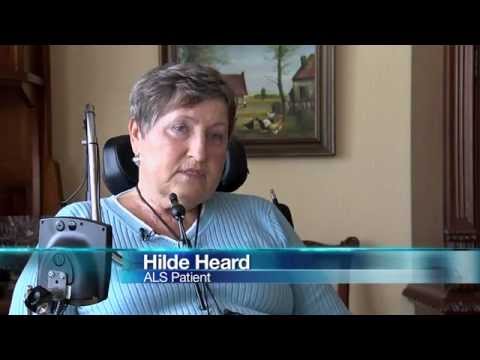
Amyotrophic Lateral Sclerosis (ALS)
Amyotrophic lateral sclerosis (ALS), sometimes called Lou Gehrig’s disease, is another devastating neurodegenerative disorder involving the progressive destruction of motor neurons.
What makes ALS uniquely terrifying for many people is that cognition frequently remains largely intact while the body progressively loses the ability to move, speak, swallow, and breathe independently.
The mind may remain clear.
The body does not.
Patients with ALS often face profound fears involving:
- dependency
- communication loss
- bodily control
- caregiving burden
- dignity
- autonomy
And families frequently experience emotional exhaustion while adapting homes, communication systems, mobility devices, feeding support, and respiratory care around progressively changing needs.
This is one reason assistive technology and communication tools become so psychologically important. The ability to communicate preserves identity, connection, autonomy, humor, decision-making, and emotional expression even when physical functioning changes dramatically.
ALS reminds us that cognition and embodiment are connected, but not identical.
Delirium
Delirium falls into a category known as an acute brain disorder, meaning that it comes on suddenly, often over the course of hours or days rather than years. Unlike many neurodegenerative diseases that progress slowly over time, delirium can appear abruptly and be profoundly frightening both for the person experiencing it and for the people around them.
Importantly, delirium is not an age-specific condition. Human beings can experience delirium at any point across the lifespan under the right physiological circumstances. However, older adults are particularly vulnerable because aging bodies often have less physiological reserve when confronted with illness, medication changes, dehydration, infection, hospitalization, poor nutrition, sleep disruption, or emotional stress.
Families often describe delirium as one of the most terrifying experiences they have ever witnessed because the change can be so sudden. A person who seemed relatively stable yesterday may suddenly become confused, disoriented, agitated, paranoid, or hallucinating today. Someone may stop recognizing familiar surroundings, become disoriented to time and place, accuse loved ones of bizarre things, or begin speaking incoherently. Others become unusually quiet, withdrawn, lethargic, or difficult to awaken. Psychomotor activity may increase dramatically, with pacing, pulling at medical equipment, or agitation, or it may slow to the point where the person appears almost disconnected from their surroundings.
One of the defining features of delirium is impaired attention. The person may struggle to focus, follow conversation, or maintain organized thought. Consciousness fluctuates, meaning a person may appear somewhat lucid one moment and severely confused the next. Perceptual disturbances are also common, including illusions and hallucinations that can feel completely real to the individual experiencing them.
And honestly, this is one reason delirium can become so emotionally overwhelming for families. Watching a loved one suddenly become frightened, accusatory, confused, or psychologically unrecognizable can feel like watching someone disappear in real time, even when the condition itself may ultimately be reversible.
Unlike many forms of dementia, delirium is usually temporary when the underlying cause is identified and treated appropriately. Recovery is often complete or nearly complete, although the experience itself may remain emotionally upsetting for both patients and caregivers.
There are many possible causes of delirium, including fever, dehydration, nutritional deficiencies, infections, medication interactions, anesthesia reactions, sleep deprivation, metabolic imbalance, substance withdrawal, and severe physical stress. Even conditions that might initially seem minor, such as a urinary tract infection or dehydration, can trigger profound confusion in vulnerable older adults.
Delirium is especially common among hospitalized and end-of-life patients. Hospitals themselves can unintentionally contribute to cognitive disorientation because they disrupt nearly every stabilizing feature of normal life: sleep schedules disappear, noise levels remain high, lighting changes constantly, routines vanish, medications change rapidly, and frightened patients are often surrounded by unfamiliar people and equipment. Add pain, exhaustion, illness, emotional distress, or poor nutrition to the situation, and the brain can become overwhelmed very quickly.
Treatment for delirium always requires medical evaluation and supervision because the condition itself is usually a symptom of an underlying physiological problem that must be identified and addressed. And in gerontology, recognizing delirium quickly matters enormously because sudden confusion should never simply be dismissed as “old age.”
Please watch this video:
and finally:
Mental Health Matters: Depression and Anxiety in Older Adults
licensed under a CC BY-NC-ND 4.0 license.
On June 8, 2016 the [McMaster Health] Forum hosted a public talk at McMaster Innovation Park featuring Michael Landsberg, host of TSN’s Off The Record and well-known mental health advocate. He and Dr. Doug Oliver, a family physician with a passion for supporting older adults' physical and mental health, engaged in an open discussion on depression, anxiety and other mental health challenges facing older adults.
Mental health issues impose an enormous disease burden on societies worldwide, with depression alone affecting 350 million people globally. One in ten Canadian adults will experience major depression at some time in their lives. For older adults living in institutions, the rate of anxiety and depression increases significantly. The social stigma around mental illnesses presents a serious barrier to diagnosis and treatment and acceptance in the community.
This public talk was organized by the McMaster Health Forum and was supported by McMaster University’s Labarge Optimal Aging Initiative.
One of the central lessons in gerontology is that human beings are incredibly adaptive, but also profoundly vulnerable. The brain does not function separately from the body, environment, relationships, stress level, sleep, nutrition, medications, or emotional life. Changes in cognition and mental health are rarely caused by one single factor. Instead, they emerge through the complicated interaction of biology, psychology, environment, and lived experience across time.
This is one reason careful observation matters so much in aging services and healthcare professions. Sudden confusion, emotional withdrawal, personality changes, hopelessness, paranoia, hallucinations, severe depression, or dramatic behavioral shifts should never simply be dismissed as “normal aging.” Older adults deserve the same careful psychological attention, emotional support, diagnostic consideration, and compassionate intervention as any other population.
At the same time, studying mental illness and neurodegenerative disease reminds us how deeply identity is tied to cognition, communication, memory, movement, and social connection. Families are often forced to adapt not only to physical changes, but also to shifting roles, uncertainty, anticipatory grief, caregiving strain, and fears surrounding autonomy and loss of self.
And honestly, one of the hardest realities in gerontology is recognizing that some of the greatest suffering in aging is invisible. Depression may hide behind exhaustion. Anxiety may look like irritability or control. Delirium may appear overnight and terrify an entire family. Neurodegenerative disorders may slowly alter movement, language, personality, or memory while the person inside remains painfully aware of what is happening.
In our next lecture, we will focus specifically on dementia and major neurocognitive disorders, exploring how diseases such as Alzheimer’s affect memory, communication, behavior, identity, caregiving systems, and the lived experience of both patients and families over time.