🎓 ONLINE LECTURE: End of Life Celebrations
If you include big expenses in your life, your wedding, college tuition, house, car, and funeral are the biggest ticket items in your life. I want you to think about a friend who got married in the last five years. How long did they take to plan their wedding? Probably a year. Imagine having to do all of that organization that goes into a wedding in 3 to 7 days while experiencing profound grief and mourning at the same time.
You have to determine the disposition of a body. Where does it go? Does it go to a funeral home and then to a mortuary? Do we have a memorial service? Where is a mortuary? Do I have a cemetery close by? Am I going to use the cemetery?
Am I going to have a funeral, with a reception where people can come? Do I need to cater? Do I need to organize a potluck? Do I need flowers and decorations? Do I need a program? Do I need to follow certain death rates and rituals? Are there expectations on me about how I handle all of this?
Can you imagine doing this while in a heightened state of emotion?
End of Life Celebrations
The funeral industry makes billions and billions of dollars each year by capitalizing on the heightened emotions of people who are in a state of loss. In fact, the average cost for a funeral in the United States is between $12,000 and $15,000. Certainly, you can order of Costco casket, I kid you not, for about $2500- but you have to wait five months for it to be delivered. They come in lots of colors and are quite attractive. I know two people who have them stored in their garage under their ping-pong table…just in case.
A nice casket will, on average, cost $5000. Imagine how easy it would be for a funeral director, who might not be particularly reputable or have good business practice, to overcharge you. I don't know anyone that walks into a funeral home and says, "I want the cheapest thing for my mom." We want the best for our loved ones, and often we can fall victim to unscrupulous business practices.
What in the world could be unscrupulous? How about something as simple as one tiny little square on the intake form, asking whether we want our loved one to be embalmed. What does embalming do? It preserves the tissue so that you can have an open casket. It's a chemical preservative that gets pumped into the body, that keeps it from decomposing. If you were going to have an open casket, you do want to have that embalming done. If not, though, what's the point? The cost can be upwards of $2000. Why would you want to spend that extra money?
The Funeral Industry
A little history. Did you know that the Funeral Industry is relatively new? Prior to the turn of the 1900's, funerals were organized by family and neighbors. People were buried on their family property. Women had the primary role in death, as they prepared the bodies, washing, dressing and "laying out" for mourners. Bodies were displayed in home made caskets, and death was as common in the home as was childbirth. Undertakers were often just the local cabinet maker, trying to make extra money on the side!
During the Civil War, 620,000 soldiers died. Dr. Auguste Renouard, a US. physician developed a process that would preserve the bodies, allowing them to be shipped home. Undertakers saw an opportunity to grow their businesses by creating "funeral parlors," where famlies would not need to attend to the deceased. Slowly, the "funeral industry" developed. Between 1865 and 1920, over 25,000 funeral homes were established in the United States.
Over time, the "mom & pop" funeral parlor were consolidated, and in 2021, the four largest funeral service operators are estimated to own 20% of the approximately 23,000 funeral homes in the United States.
The funeral industry makes billions and billions of dollars each year by capitalizing on the heightened emotions of people who are in a state of loss. (My opinion.) In fact, the average cost for a funeral in the United States is between $12,000 and $15,000.
A nice casket will, on average, cost $5000. Imagine how easy it would be for a funeral director, who might not be particularly reputable or have good business practice, to overcharge you. I don't know anyone that walks into a funeral home and says, "I want the cheapest thing for my mom." We want the best for our loved ones, and often we can fall victim to unscrupulous business practices.
For the budget conscious, Costco sells caskets, I kid you not, for about $2500- but you have to wait five months for it to be delivered. They come in lots of colors and are quite attractive. I know two people who have them stored in their garage under their ping-pong table…just in case.
What in the world could be unscrupulous about a service that takes care of us in our time of need? How about something as simple as one tiny little square on the intake form, asking whether we want our loved one to be embalmed. What does embalming do? It preserves the tissue so that you can have an open casket. It's a chemical preservative that gets pumped into the body, that keeps it from decomposing. For those opting for an open casket, embalming is necessary to give time for preparations. In addition, there will be costs for preparing the body for viewing - for a fee. There will be costs for flowers, programs, renting of facilities, transportation, etc.
If, however, you do not want the open-casket, or are opting for cremation, why spend $1000 on embalming or $5000 on a casket? Perhaps we are not presented these choices. It all depends on the business practices of the funeral home.
Watch the video:
Some of the cultural things that we talked about can come into play as well. In the Jewish faith, funeral rites state that you must be buried immediately after death, without an autopsy. Buddhists feel the same way. Well, that's all good and well, but if your doctor hasn't seen you within a predetermined amount of time, an autopsy may be required to determine the cause of death.
Please read the following, "Required Reading: Nearing the End of Life - A Guide for Relatives and Friends of the Dying ."
Death Rites
In different cultures, there are also different rituals around death. I pulled some that I thought were particularly fascinating. Think back to an earlier lecture on cultural differences in "end of life" philosophies. Here are the differences in end of life rituals.
Hindu
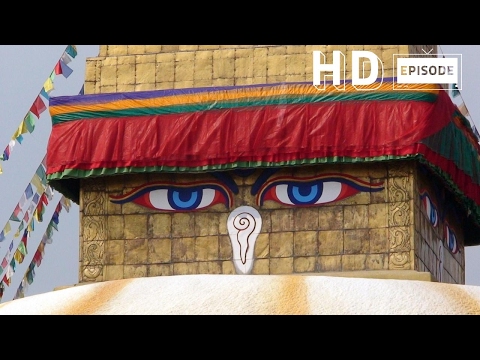
(Source: 3-Minute Adventures)
Buddhist
(Source: The Walrus)
Jewish

(Source: NewJewishLearning)
Islamic
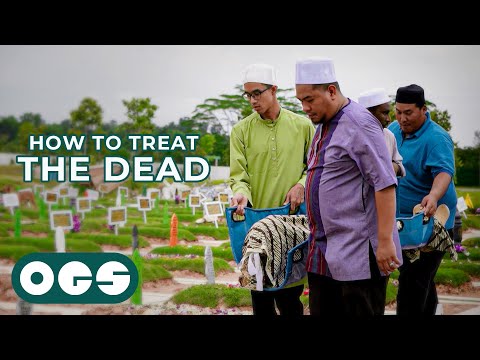
(Source: Our Grandfather's Story)

In Russia, particularly the Russian Orthodox church, the funeral must be held three days following death. However, we will mourn in black for 40 days. There are rituals around what color the body is buried in, and what gifts can be left in the casket. Coins are placed on the eyes, and a belt around the waist - all to help navigate the spirit’s way through the passage of life to death, and the afterlife.
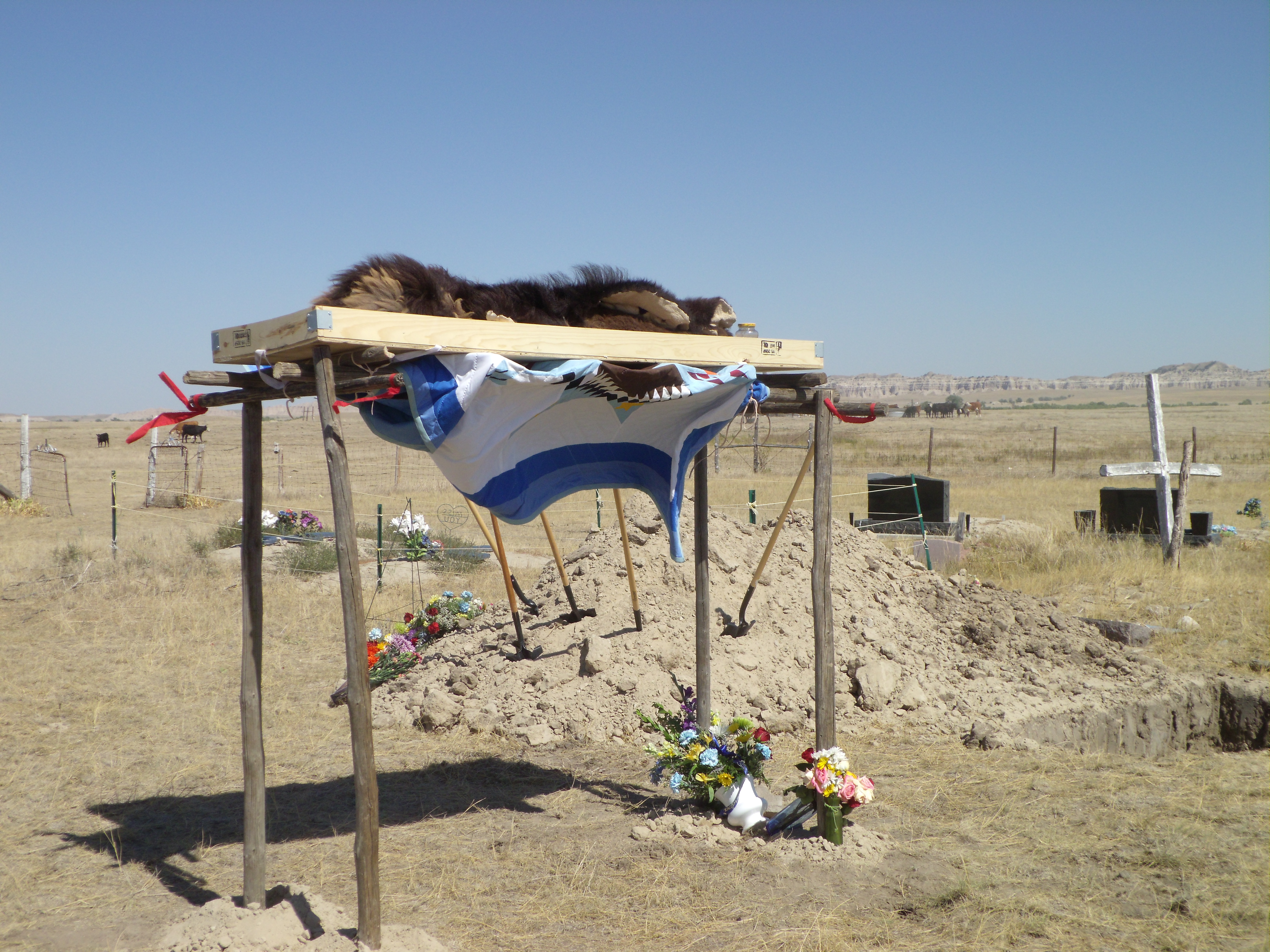
The Lakota Indians say that we don't want anything buried with us. We won't want to be wrapped in anything. We want nature to reabsorb us. Our soil existed before we were born, and when we die it will go back to the land. We used to see Lakota wooden platform burials, with nature taking its course. Now it is far more common to do a cremation, and have a grand celebration one year after the death. Why one year? That's what it takes for the soul to do its work in the universe and then come into another little person.
I once had the opportunity to observe a New Orleans Jazz Festival funeral. And I say, testable funeral because it really felt like that. It lasted five days. It included the most amazing demonstration of a parade. It was a very slow sad progression from the church to the cemetery, with soulful more full music that sounded like a funeral dirge. However, the parade from the cemetery to the reception hall was the wildest, fun, upbeat experience I've ever had. People holding umbrellas, dancing down the street, and praising God for this amazing person, and for heaven, and Jesus, and what a celebration of life should really be.
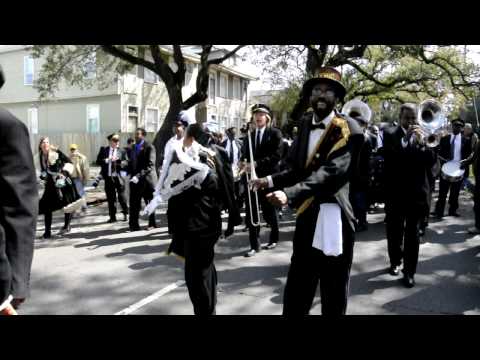
(Source: NOLAFestJunkie)
Mongolian and Lakota Sky Burials look very much alike and have a lot in common with the Lakota, believing that the soul transcends. It may seem a bit morbid to those of us are used to a more traditional method, but the tradition in these cultures is to chop up our love one's body into pieces, placing them on a mountain top, and exposing them to harsh elements. It seems harsh to those of us not in the culture, but I can't think of a more wonderful way to reproduce the basic materials of life than allowing the remains to nourish the wildlife and for the earth to digest the remains.

I saw a fascinating documentary on the Madagascar turning of the bones. It's called famadihana. Every 5 to 7 years, bodies that have been in tuned, or exhumed from the crypt, perfume, rewrapped, and replaced. Much like a Dia Delos Muertos celebration, where there is a picnic at the graveside to allow the spirits of deceased family members to enjoy the company of the generations that follow them, in Madagascar, the guest of honors is at the table!
Please watch the video:
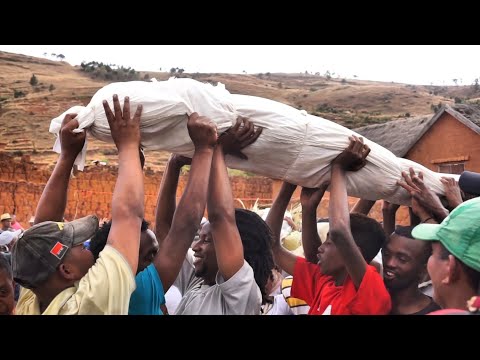
(Source: APA News Agency)
The American Funeral Rite
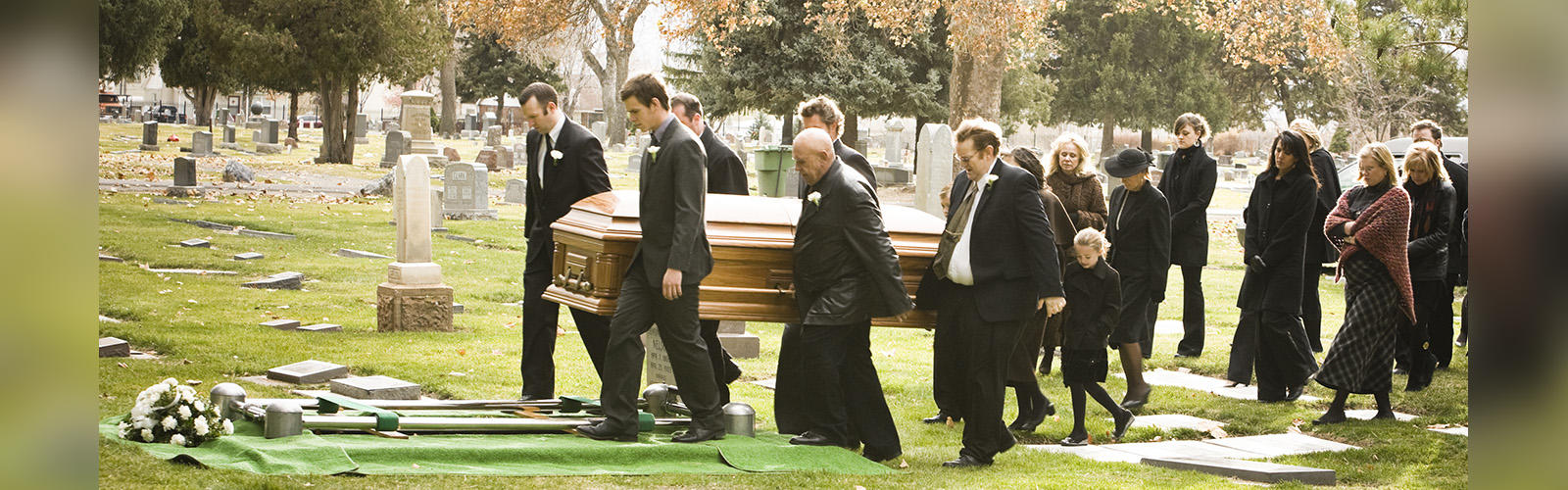
In the United States, we tend toward two tactics to dispose of our deceased. One choice is to place the remains into a casket (usually wood), and lower them into a gravesite in a cemetery. We adorn the gravesite with a headstone or other marker, and pay a fee to the location to maintain the grave as a part of the memorial. We use the site as a place to visit, to meditate or otherwise be close to the physical remains of our loved one.
Growing in popularity in the United States is cremation. Cremation is the act of incinerating the remains, and having the ashes in an urn or container. We may then bury the ashes in the ground similar to a casket, or place ashes into memorial crypts on site of a cemetery. It is common to scatter ashes in a favorite place, or to take ashes out to sea.
Depending on the county, the caskets or urns may need to be sealed in concrete prior to being placed in the earth. The concern is not about the remains, but the materials that the caskets and urns are made with. The metal and epoxy, and the chemicals that may have been used in embalming, can leach into the ground over time and poison the water supply.
The traditional use of caskets is a potential problem when you think about the massive swell of the baby boom population dying in the next 50 years. What happens to the bodies? We don't have enough available ground to accommodate that number of caskets. Nor can most family members want to pay the exorbitant costs for burial sites in Memorial Gardens, let alone the plot's annual upkeep.
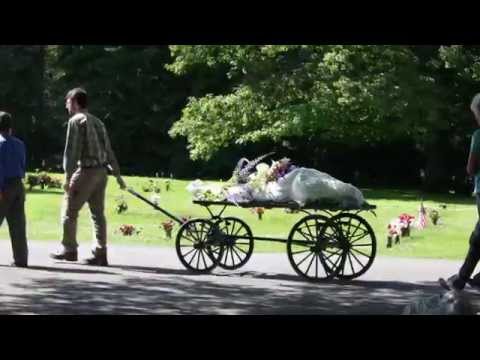
There is a movement toward both organic burials and cremations. What in the world is an organic burial? Instead of having caskets and large stone memorial headstones, we bury in nature, in willow or other easily decomposing materials, and use large natural rocks or trees to indicate the place of our loved one.
Please watch the video:
(Source: Legacy.com)
An organic burial benefits the earth because there is a faster decomposition rate and a lower rate of water table contamination. You may hear them referred to as "green funerals." Forty new environmentally friendly cemeteries have been approved for these green burials in the United States. They look like parks. They are considered environmental and are quite lovely.
What are my other options? It could be as simple as storing the ashes in a commemorative learn or even in a niche at a cemetery with cremation. Scattering ashes is a common choice, but what are some other choices? An entire industry has popped up in the last decade or so, offering creative uses for cremated ashes. Following are a few videos with great suggestions. I am quite partial to the idea of being crushed in a gemstone. However, ashes can be integrated into clay and made into ceramic tiles. I recently saw that you can have your ashes pressed into the B-side of a final album. I've asked several friends, and they are partial to the idea of having their ashes put into a fireworks display. It is also possible to have your ashes molded into something replicating coral and become part of a coral reef.
(Source: Buzzfeed)
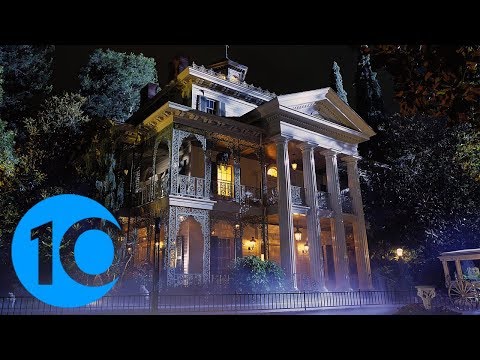
All of these ideas are pretty great, but they've also all been approved by the government. For example, you cannot scatter ashes at sea until you are 12 miles from shore. That's international waters. You are not allowed to scatter ashes from the Golden Gate Bridge or any other public land. You are definitely not allowed to leave ashes at Disneyland. (Don't laugh. Lots of people try every year!).
(Source: USA Today)
Conclusion:
This is a lot of information for you to take in in one chapter. There are entire semester-long courses dedicated to the study of death and dying, so consider seeking out further study.
Especially for those who have never really thought about it, the idea of death or dying, or grief, or especially funeral planning, studying death from a psychosocial perspective must really feel odd. It is important that you have the vocabulary to have conversations with your family members about issues around death. You want to know their wishes (and communicate your own) in terms of healthcare, long-term care, end-of-life care, and even funeral planning. Understand the importance of the cultural and legal requirements that surround end-of-life issues and know that grief and loss are universal, but how we experience them is unique to each of us.
Image Citations
Imagecourtesy of Saint-Petersburg Theological Academy via Flickr
Image courtesy of South Dakota Broadcasting
Image courtesy of cntravel2013
Image courtesy of Legacy.com