🎓ONLINE LECTURE: Ageism and Cumulative Disadvantage
As a country, we are diverse. Consider where we come from. Pretty much everywhere! Remember, except for members of the First Nations, we are all immigrants to a certain extent! There are many factors that contribute to our diversity as a nation - a country of origin, religion, gender, and age are often considered the "big measures" of diversity. So, let's look at some specific populations and increase our understanding of the demographics, trends, and experience.
Ageism is a type of discrimination that involves prejudice against people based on their age. Similar to racism and sexism, ageism involves holding negative stereotypes about people of different ages. (Cherry, 2020) Ageism is a prejudice against older people, and, just as with any prejudice, it creates serious issues in society. According to the World Health Organization, ageism is most rampant in high-income countries, like the United States. As a whole, Americans place great value on youth, beauty, vitality, and the ability to earn a large income.
Ageism - The Silent "Ism"
As we've read in headlines, and shared in media horror stories, nursing homes have been publicized as places where older adults are at risk of abuse. Abuse and neglect of nursing home residents is often found in facilities run down and understaffed. However, older adults are more frequently abused by family members. The most commonly reported types of abuse are financial abuse and neglect. Victims are usually very frail and impaired, and perpetrators usually depend on the victims for support. Prosecuting a family member who has financially abused a parent is very difficult. The victim may be reluctant to press charges and the court dockets are often very full resulting in long waits before a case is heard. “Granny dumping” or the practice of family members abandoning older family members with severe disabilities in emergency rooms is a growing problem; an estimated 100,000 and 200,000 are dumped each year (Tanne in Berk, 2007).
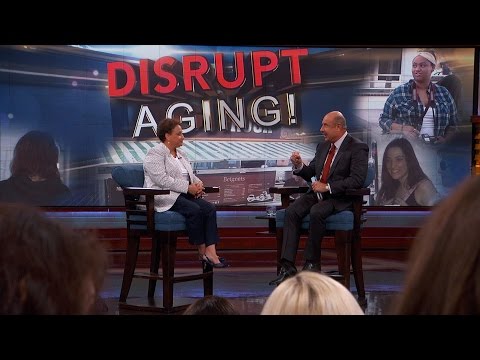
It isn't the passage of time that makes aging so hard. It's ageism, a prejudice that pits us against our future selves -- and each other. Ashton Applewhite urges us to dismantle the dread and mobilize against the last socially acceptable prejudice. "Aging is not a problem to be fixed or a disease to be cured," she says. "It is a natural, powerful, lifelong process that unites us all."

Discrimination
Before we begin breaking down the smaller groups, let's just talk about AGE DISCRIMINATION. The protected class that is the most important in the study of Gerontology is age. Do we treat people differently because of their age? Sure. It happens to young people as well as older people. While it may feel bad, and be unfair, is it illegal? That depends on the circumstances.
Age discrimination involves treating an employee or housing applicant less favorably because of his or her age. The Age Discrimination in Employment Act (ADEA) forbids age discrimination against people who are age 40 or older, although some states have laws that protect younger workers, too! These laws prohibit discrimination in any aspect of employment, including hiring, firing, pay, job assignments, promotions, layoff, training, benefits, and any other term or condition of employment. (eeoc.gov., 220) These laws also make it illegal to harass someone because of their age. Now, it doesn't prohibit simple teasing or offhand remarks. Harassment is illegal when it is so frequent or severe that it creates a hostile environment.
Does that really happen? Unfortunately, yes. The American Association of Retired Persons (AARP) reports that age discrimination is "alive and well." In fact, in 2016, over 20,857 complaints were filed with the U.S. Equal Employment Opportunity Commission (EEOC). The shift to online job applications has actually made it easier to discriminate against older workers. (Terrell, 2020)
Researchers send over 40,000 resumes to apply for more than 13,000 job openings in 12 cities in a recent study. They tested for age discrimination and found that even though all candidates had similar skills, the older candidates received a significantly smaller number of call-backs. It's hard to imagine, but only 50 years ago, it was totally fine for a job posting to state "only workers under age 35 need apply." Now, it's illegal to do that. However, it's not illegal to omit birthdays before 1980 from a drop-down menu on an online application!
Even though there is legislation protecting against age discrimination, it's a hard charge to prove. In fact, in 2009, a court ruled that it's not enough to show that age was one factor in losing a job.(Tracy, 2009) An individual has to prove that it was the primary factor. It's hard to find a lawyer to represent an age discrimination charge, primarily because the chances of winning are quite low, and the financial rewards are minimal compared to gender or race discrimination suits.
Please watch the video:
(Source: Dr. Phil, CBS)
California - An Experiment in Aging

California is one of the most diverse states in the U.S. Based on a self-report survey done by the State of California, the following images represent a projection of the growth of California's older population from 2010 to 2060. Note San Bernardino, Riverside and some Bay Area counties are expecting 200% growth of their older population, where the northern counties are projecting much smaller growth. This projection impacts funding allocations for programs and services.
California is one of the fastest-growing states in the nation in the total population. It is projected that by 2020, our population will increase by 15.7%, and with it will come an increase in the elderly population. The map to the left shows the projected INCREASE that we expect to see in each county. Note Mono and Placer counties are expecting a 200% increase in their population over age 65. If we look at the population growth percentages over 85, the numbers are actually sort of terrifying! How do you think this demographic shift will influence the “California Culture?”
Let’s take it even more locally. Where do you live? Do you think that there are going to shift in your own community? Remember, it’s about a combination of age, gender, and ethnicity, and all of the other factors that we’ve already discussed - mixed together - that influence our life expectancy and our life-satisfaction!
Take a moment to look at the projections for San Bernardino County https://datausa.io/profile/geo/san-bernardino-ca/#demographics. It's pretty staggering to compare Northern and Southern California - in Sonoma, 64% of the population is Caucasian, and 28% Hispanic. San Bernardino is far more ethno-racially diverse - 27% Caucasian, 50.5% Hispanic. Do you think that the population of SB is going to change as radically as that of Sonoma based on these graphics? What about voting patterns or the need for social or healthcare supports for our elderly?
You can’t answer those questions based purely on age projections. Why? Well, because age is only one factor in the mix. Diversity, right?
What about ethnicity? You already know that the experience of being of Hispanic descent in the United States is different from that of Asian descent or any other origin. You know that these experiences vary from region to region, include factors of economics, education, and environment. Let’s layer age into the mix, and look at what we know about specific populations. This is not an exhaustive analysis, though - that’s part of your homework!
Women
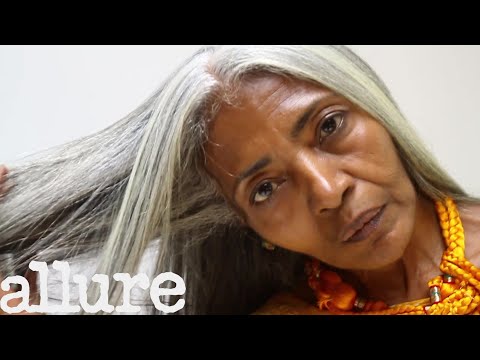
Women make up 49% of the world's population. However, after age 40, women outnumber men. In fact, when we look at the world population over age 65, women outnumber men almost 3 to 1! (Ritchie, 2019). Yet, older women have traditionally had difficulty finding acceptance and equality in employment, politics, and marriage. Progress has been slow, but women are becoming more willing to seek and accept assistance.
Women's roles, health issues, and options are becoming more mainstream in society, but they still face a double standard regarding aging. In our culture, aging progressively destroys a woman's self-esteem. We devalue gray hair, wrinkles, and changes in a woman's post-menopausal body. Men are frequently described as "distinguished," as they age. I found a great article in the English Telegraph titled "Feisty, frigid and frumpy: 24 words we only use to describe women." They did an analysis of the most common words used to describe women in the workplace. It isn't age-specific, but wow. Ready? It isn't good:
Airhead (n.) - A slang term to refer to a "stupid or simpleminded person." Instead, it has come to refer to a woman who enjoys reading about celebrities or dares to dye her hair blonde.
Ambitious (adj.) - The original meaning ('having a strong desire for success or achievement") is still applied to men as a positive trait. In a working woman? It's a dirty word. Cara Delevigne has complained that she's encountered criticism for being "ambitious." Even Madonna has said she felt "being openly ambitious" is frowned upon.
Abrasive (n.) - Irritating in manner or personality; causing tension or annoyance. This is the newest term being thrown at working women. A recent Fortune Magazine study found that it appeared 17 times more on women's professional performance reviews, but on men's reviews, they were more openly encouraged to be "more aggressive."
Bitchy (adj.) - Not only can a woman be a "bitch," but she can also be "bitchy," (i.e. 'malicious or snide). An unpleasant male boss is rarely known as bitchy, although gay men can face a similar plight to women. But the female equivalent is almost always given this six-letter description.
Bossy (adj.) - Bossy has become such a contentious adjective that it has its own anti-campaign. While powerful men are called "strong minded," women are accused of being "bossy," a far less flattering term - purely because of their gender.
Breathless (adj.) - Commonly applied to women who look "flustered," and suggesting an inability to control one's emotions or sexuality (a la Marilyn Monroe's breathy tones." It smacks of a negative way to reference the female orgasm.
Bridezilla (n.) - Where is the male equivalent? Groomzillas exist too!
Bubbly (adj.) - The adjective refers to "lively, animated or excited," and tends to be used to describe a woman's personality. When was the last time you heard of a man referred to in this way?
Curvy (adj.) - A man might be plump or round. A woman will always be "curvy," or "voluptuous." Although recently, the term "dad bod," seems to be creeping in.
Ditsy (adj.) - A close relative or "airhead" or "bimbo." Just another way to label "silly women," and is quite patronizing.
Emotional (adj.) - Every human has emotions. Why is it that when women express emotion, they are perceived as weak, needy or....worse....hormonal?!
Frigid (adj.) - Frigid is commonly used to describe women who lack sexual responsiveness (mostly by the men whom they've rejected).
Frumpy (adj.) - The dictionary defines this adjective as being "of a woman's clothing, etc.," but more recently, it is about her overall looks.
High Maintenance (adj.) - The "high maintenance" girlfriend with her love of manicures, credit cards, and incessant demands is a modern day trope rooted in sexism. The "high-maintenance boyfriend" stereotype had not emerged when this article was written in 2019.
Hormonal (adj.) - Both men and women have hormones, but from the use of the word "hormonal," you might forget that. Commonly used in conjunction with PMS.
Hysterical (adj.) - Not to be confused with being hilarious, the term "hysterical" is applied to women when they are being "emotional, or irrational."
Illogical (adj.) and Irrational (adj.) - If a woman expresses her feelings in a way that is perceived to be "too much." (see also: "emotional")
Pushy (adj.) - Closely related to "ambitious," "bossy," and "abrasive," it's another word that sums up gender inequality in the workplace. It's also favored as an adjective to describe mothers who are heavily involved with their children's lives and education (like "tiger mother," "helicopter parent," etc.)
Sassy (adj.) - Rarely used positively, describes a woman with a strong personality.
Shrill (adj.) - Describes a woman's high-pitched voice. Rarely used to describe an equally high male tone.
Whining (adj.) - A complaining woman is said to be whining. A complaining male is said to be.....complaining.
Working Mother (n.) - How often do we read about "working fathers?"
Take those terms, and layer on a few "ageist" terms to describe women (myself included!).
 Raise your hands if you have ever used the age prediction app which would determine your age based on your photograph. If the age predicted was less than your actual age, did it make you giddy with joy? You don’t look your age, you look too young to be a mother/grandmother. You don’t look a day over 30.
These are some very common ‘compliments’ that are paid to women who look younger than their real age. But in this day and age, when even celebrities are embracing their greys, when wrinkles and creases imply natural ageing, is looking “young” a relevant compliment? And why do we still fall for it? (Read more at: https://www.shethepeople.tv/home-top-video/vera-wang-photos-women-ageing/)
What strikes me is how we consider it a compliment to tell an older woman she "looks young (or good) for her age." Whaaa? What does that mean? Is it assumed that normal aging will cause us to get ugly, so we should consider ourselves lucky to be the exception to the rule? The "compliment" seems to imply that at some point, every woman will cross a threshold after which her appeal with descending as her age ascends.
Why can't I just look good? Why does it have to be about my age? When I look at photos of myself, I think I look better, healthier, and happier now than ever before. Just for fun, I found a few "now and then" photos of some "older" celebrities. See if you agree that it isn't about age - they just look good!


A friend just sent me these images left over from her childhood. Can you imagine the "unlearning" that an entire generation is being asked to do!

Women as a Minority?
The irony is not lost on most women, that although we make up just under 50% of the population, we actually experience many of the challenges that we associate with minority populations. Women experience higher rates of poverty, except if they are married. Married women are better off financially than those who are unmarried. Women, especially pre-Baby Boom, typically have less education and a lower likelihood of being well vested in employment-based retirement programs, social security, and pension investments. Why? Well, because they have historically earned less than their male counterparts, and they are assigned family caregiving responsibilities at a higher rate (and therefore are out of the workforce longer). (Landrine & Klonoff, 1997)
Women, particularly those over age 65, are more likely to live alone, have lower incomes, receive less Social Security benefits, and often fall below poverty - yet social policies have yet to fully address those inequities.
One area that we actually have made some progress has to do with healthcare. No, I'm not talking about the Affordable Healthcare Act (or Obamacare). Predating any of the recent changes to healthcare, we passed legislation called the Consolidated Omnibus Budget Reconciliation Act (COBRA)
Prior to this legislation, if you were fired, divorced, or even widowed, there was no guarantee that you'd be allowed to continue healthcare coverage from your (or your spouse's) employer. This meant higher rates and possible exclusion from healthcare because of pre-existing conditions. COBRA gives protections for us to keep our insurance stable for up to three (3) years. Ideally, this gives us some stability.
Poverty - A Woman's Issue
According to a study done by Justice in Aging, four million women, 16% of all women over the age of 65 are living at or below the poverty level. Even though women have made significant gains in earnings, and poverty rates are decreasing, older women are at the greatest risk for poverty than any other group.
How did COBRA Save the Day?
One area where we actually have made some progress has to do with healthcare. No, I’m not talking about the Affordable Healthcare Act (or Obamacare). Predating any of the recent changes to healthcare, we passed legislation called the Consolidated Omnibus Budget Reconciliation Act (COBRA). Before this legislation, if you were fired, divorced, or widowed, there was no guarantee that you’d be allowed to continue healthcare coverage from your (or your spouse’s) employer. This meant higher rates, and possible exclusion from healthcare because of pre-existing conditions. COBRA protects us by keeping our insurance stable for up to three (3) years - it's expensive, but at least it. something! Ideally, this gives us some stability.
COBRA is just one way that we are working hard to even the playing field for women of age. Add in some of the protections we have from anti-discrimination laws, and the major movement that has been made in the women’s movement, there is hope on the horizon. Right?
The Law of Unintended Consequence
Let’s revisit the concept of untended consequences. Women. More than 50% of the population. Huge women’s rights movement. Women have personal rights - we aren’t property any more. Women are becoming more educated and are seeing corresponding increases in salary. Women are allowed sexual and reproductive agency (the right to say yes or no). These are good things, right? Absolutely.
Are there some downsides to all this progress? I leave you to do your own research and make your own judgments. My argument is there are untended consequences of these shifts social policy that cause tension. What might be the cultural “fallout” as these changes influence the social dynamic. Consider some of the following consequences of:
- Reverse hiring discrimination - Defined as “the unfair treatment of members of majority groups resulting from preferential policies intended to remedy earlier discrimination against minorities. For example, if we develop quotas for gender and ethnicity that may overlook expertise in favor of minority status in the hiring or college admission process.
- Cultural emasculation of men - Research is showing that there are confused expectations of what it means to be male. In some studies, men report feeling lost among the media messages to be both strong, virile, dominant, sensitive, collaborative, or subservient based on gender alone.
- Decreased birth rates - While the feminist movement has given women the right to "sexual agency" and reproductive rights, what cost might a decreased birth rates have on the economy. In Japan, 27% of its citizens are over age 65. Having more retired people out of work and fewer young people paying into social programs is projected to drastically impact the country’s economy.
- Reduction of the number of men killed by their wives (6-fold!) - As an aside, I can’t help but smile to myself about this one. Why has there been a reduction in husband-murder? Because women are allowed to divorce without cause in most states. Women are given the legal right to defend themselves, but we are more likely to use the legal process to protect ourselves rather than taking matters into our own hands.
- Gender-neutral language/political correctness - We are at a pivotal time in our culture, where we recognize individuals not just on by their gender. It’s an easy transition to change or vocabulary for job titles (fireman vs. firefighter; stewardess vs. flight attendant). It’s harder, particularly for older adults, to substitute a lifetime of gender-specific pronouns to gender-neutral ones. The paradigm shift has happened very quickly in relative historical terms, but social change takes a long time. It’s important to have patience without hostility because the movement IS happening. We see neutral gendered signage, changes in government documents and driver's licenses, and eventually, the use of he/she as a binary term will disappear. In the meantime, there is so much tension around word use, and I worry that we create conflict where what we need is continual education and training. We’re going to get there.
- Feminism in conflict with romance? -Romantic relationships have historically been about “wooing and keeping” women. Whether it’s asking someone out, picking up the bill, opening a door, or being the breadwinner, many of our ideas are based on the idea of the need for a dominant (initiator and director) and submissive partner in a relationship. Feminism brings with it a philosophy of equality. If men have been raised with “traditional” expectations, some men report that they are losing power (if in order to share power, it is perceived that one must lose for another to gain). Much research exists about the shifts of expectations in romantic relationships, and I encourage you to explore it further.
Ethnicity
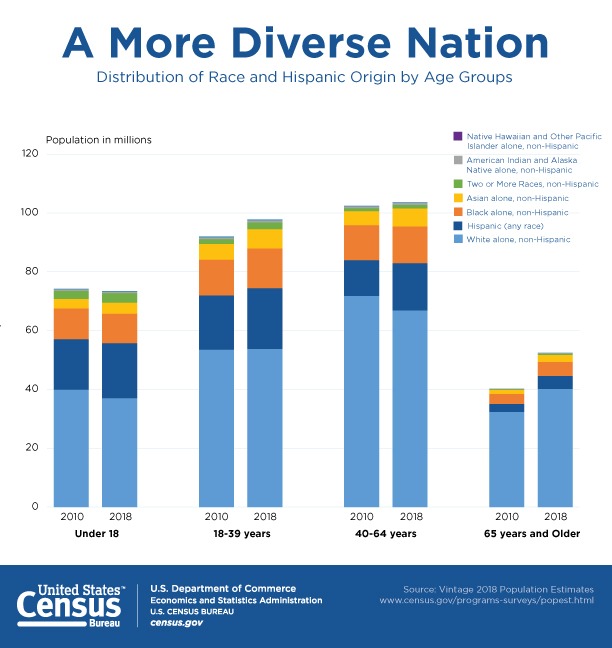
The United States of America is racially and ethnically diverse. The United States Census recognizes six racial categories:
- White American
- Black or African American
- American Indian and Alaskan Native
- Asian American
- Native Hawaiian and Other Pacific Islander
There is also a designation for "Hispanic or Latino," or "Non-Hispanic or Latino," which recognizes Hispanic and Latino Americans as an ethnicity (not a race) distinct from others.
One must consider the multi-factor challenges facing older Americans of minority ethnic backgrounds. All ethnic populations are prone disproportionately to some conditions rather than others in comparison to other ethnic groups. The causes for this are multiple and include ethnicity, culture, education, income, and barriers encountered when accessing health care. Cultural differences regarding diet and exercise may combine to predispose individuals to some of these conditions.
Let's take a look at what we know about the major ethnic group elders that the field of aging is most closely exploring. We know that the number of older adults will grow, but the diversity among the population will grow with it.
African American Elders
There are currently more than 4 million African Americans over the age of 65, with a projected growth to about 12 million by 2060. The largest minority group in the United States, the older African American has experienced racism, and in many cases laid witness to the Civil Rights movement. While this group makes up 9% of the older population, they represent 21% of the older population living at or below the poverty line, which is vastly improved from a rate of 65% in 1965. (AoA.gov, 2020)
Women over age 65 greatly outnumber men, with most older African American women (72%) living alone being either widowed or divorced. Most older men (67%) live with spouses or relatives. (census.gov). Unemployment rates are higher in the African American community at all ages, which has implications on financial stability and physical health. The older African American is more likely to live in an urban setting, and prefer informal caregiving later in life. (Hillier, 2015)
African American economic status varies widely. The civil rights movement opened opportunities for development of a middle class, but with that affluence has come out-migration that has left some neighborhoods with populations struggling with economic and social pressures.
Strong extended family networks are common. While many in their 70s and 80s are dependent on care from children, grandchildren, or "fictive kin," many others are raising their grandchildren or great-grandchildren.(Stanford.edu, 2020). The interconnectedness reaches beyond the family, into church and community. There is a spirit of resilience and survival woven into the narrative of this group of older adults.
There is a wide disparity of economics and living conditions among older African Americans. Why? The growth of the middle class and increased levels of education has had a profound effect on baby boomers and their children. Those with lower levels of education, at any age -but especially the elderly directly correlate with lower-paying jobs, fewer benefits at retirement, and poor healthcare later in life. 26% of older African Americans live in poverty, with substandard housing and higher crime rates, victimization, and discrimination. (Simmons, 2020)
This group's most common medical complications include hypertension, coronary artery disease, stroke, end-stage renal disease, diabetes, and certain cancers.
Please read: “African-American elders growing in numbers, but who will tend to them,” https://thegrio.com/2012/04/18/african-american-elders-growing-in-numbers-but-who-will-tend-to-them/ (Links to an external site.)
Hispanic American Elders
The fastest-growing immigrant group in the United States, the Hispanic elderly are expected to account for 20% of the population by 2050. (census.gov) The umbrella term "Hispanic" includes a large number of distinctly different ethnicities. One must not expect someone from Mexico to have the same needs, language, food, habits, or belief structure as someone from Puerto Rico, Cuba, Central or South America.
According to research done by Stanford, there are regional preferences for terminology. In California, the term Latino/Latina is the favored term, wherein in New Mexico, the preference is Hispanic/Hispano, and in Texas, where a large Mexican immigrant population is concentrated, the terms Hispanic and Mexican American are used. (Schwartz et al., 2017)
In 2016, Americans age 65 and over who identify themselves as Hispanic or Latin comprised 6.4% of all older Americans. By 2050, this population is expected to grow to 18%. In fact, by 2028, the Hispanic population over age 65 is expected to be the largest ethnic minority in this age group. Projections indicate that the number of Hispanic/Latino elders over the age of 100 is expected to go from just 1% to 19% in 2050. (census.gov)
While there are certainly differences among the Hispanic elderly population, there are some commonalities. A cultural emphasis on the importance of family support and participation in the community is a vital part of this group. The radical growth of the aged population is going to have a huge impact on caregiving needs, though. Research suggests that Hispanic/Latino elders are second only to Asian/Pacific Islanders in living with relatives. An ongoing debate is whether this is a result of health or economic necessity or because of culturally bound expectations governed by norms of mutual reciprocity among families. (Ruiz & Ransford, 2012)
Prevention and treatment of health problems such as heart disease and diabetes are difficult in this population because of the tendency to retain the use of the Spanish language. This linguistic isolation can be a barrier to accessing medical and social services.
Read this: “Hispanic and Latinx Elders” https://www.diverseelders.org/who-we-are/diverse-elders/hispanic-elders/ (Links to an external site.)
Asian American Elders
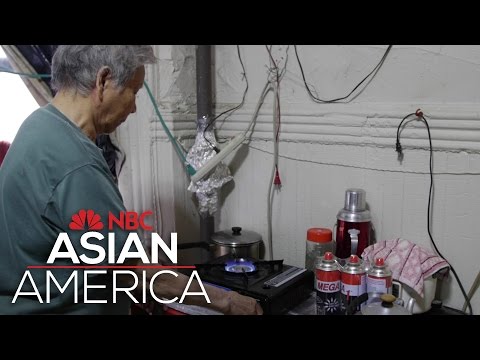
With the passage of the 1965 Immigration and Nationality Act, reversing the national-origin quotas established in 1921, the number of immigrants from Asia rose dramatically, and by 2014, people of Asian descent comprised 30 percent of the nation's 42.4 million immigrants. (Pew.org, 2020)
As immigration from Latin America has declined in recent years, China and India's overtaking Mexico inflows of recent arrivals. Asian immigrants are projected to comprise a greater share of all immigrants, becoming the largest foreign-born group by 2055, according to Pew Research Center estimates. (Budiman, 2020)
In a growing older and more diverse country, elder care issues are playing out with particular resonance for many Asian-Americans. According to the New York Times, the suicide rate for Asian-American and Pacific Islander women over 75 is almost twice that of other women the same age. In 2012, 12.3 percent of Asian-Americans over 65 lived in poverty, compared with 9.1 percent of all Americans over 65. Nearly three-quarters of the 17.3 million Asians in the United States were born abroad, and they face the most vexing issues. Language barriers and legalized racism have been common experiences in U.S. (Budiman, 2020). According to the Administration on Aging, an agency of the Health and Human Services Department, the number of Asian, Hawaiian, and Pacific Islanders over age 65 is expected to grow to 2.2 million by 2020 and 7.6 million by 2050 - up from fewer than one million in 2000.(Vega, 2014)
Filial piety - respect for one's elders, is a large part of Asian-American's cultural expectations, is an expectation that the younger generation will take care of their parents in old age. However, second and third-generation Asian immigrants are finding it challenging to fulfill that commitment as two-income earners are often required to maintain households, and families become more geographically dispersed. Also interwoven in the culture, and at risk of being lost in the acculturation to America is the norm of enryo, a pattern of deference and modesty, and amaeru, the value of dependency that has solidified intergenerational supports and the kin dynamic for centuries. These values are at risk for being lost within the traditions of individuality that are prevalent in the United States.
Each of the Pacific Island cultures brings its own history and traditions, and each participated in immigration waves at different times in American history. Japanese first came to the United States in the form of young men who were not in line to inherit land or wealth. The bulk of immigration for this group happened between 1870-1924. These young men worked primarily as laborers and saved years to have enough financial stability to bring a wife overseas. By the early 1920s, Japanese Americans had established themselves as business owners, and strong community members. However, their internment during WWII was both socially and financially disastrous. First-generation, or issei, had remained socially separated from the American culture. However, their children who were born between 1910-1940, the nissei integrated into the mainstream, and now over age 66 have adequate savings to support families and themselves in later life.
A disproportionate number of oldest-old Chinese and Filipino Americans are men, outnumbering women three to one. They came to America as cheap labor and worked in US mines, farms, canneries, and most famously the railroads. Prior to the immigration laws of 1924, they had been discouraged from having wives and families. After the immigration laws, they were forbidden from bringing their foreign-born wives to American. It wasn't until the laws changed in 1974 that Chinese immigrants were allowed to enter the country as complete family units. Most Chinese elders are embedded in a large system of family members, and they serve the function of holding most of the financial resources and serving as the matriarch and patriarch. As the second generation of Chinese is aging, they fit a profile of being more educated, more acculturate, and more financially stable. Despite discrimination, they have become embedded in American culture and grown from the role of domestic and farm labor to business, professional and technical professionals.
In the early 1970s, following the Vietnam and Korean Wars, immigration policy was changed to allow the large-scale entrance of southeast Asians. Primarily from Vietnam, Cambodia, and Laos, they fled war-torn regions and came to the United States and had to learn the language, the culture and adapt quickly. Many migrated to areas where the weather was familiar. The oldest generation struggled to live above the poverty level as they integrated, but now take great pride in the financial, educational, and professional success of the second generation.
Read: “As Asian Americans age their children face cultural hurdles.” https://www.nytimes.com/2014/01/15/us/as-asian-americans-age-their-children-face-cultural-hurdles.html (Links to an external site.)
Native American Elders
There are 4.1 million people who identify themselves as American Indian (either alone or in combination with other races). A markedly young ethnic group, the median age is 35, and life expectancy is 5.5 years less than the U.S. average. (census.gov). When we talk about Native Americans, we are really talking about 535 federally recognized tribes, 300 reservations, and nearly 300 languages and different family structures. (bia.gov, 2020)
Native Americans and Alaskan Native people have a lower health status than any other ethnic group in America. They have lower life expectancies and have a disproportionate burden of disease and poverty.
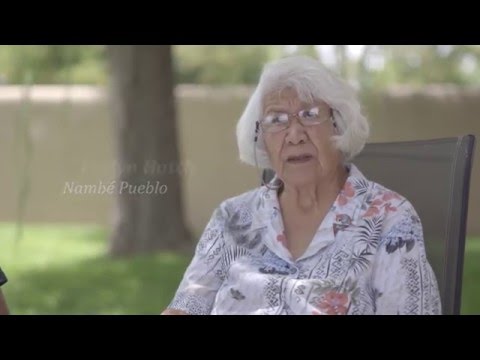
Prone to diseases of the heart, malignant neoplasm, unintentional injuries, diabetes, and drug/alcohol addictions are leading causes of death for this population. The average life expectancy of the Native American, Alaskan, Hawaiian, and Aleut population lags 5-7 years behind the national average. (Jervis, 2010)
Sexual Orientation and Gender Identity
There are more than nine million people in the United States who identify as LGBT. There are between 1.4 and 3.8 million LGBT Americans over age 65. Why range? It has to do with a willingness to self-report. The older the population, the less likely that an LGBT elder will self-identify. However, based on recent projections, it is anticipated that by 2030, the LGBT population over age 65 will grow to almost 8 million.(census.gov)
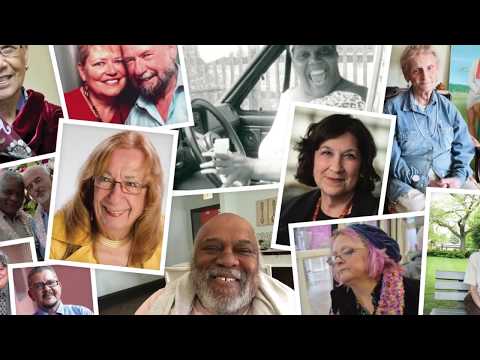
In addition to the everyday challenges of aging, LGBT older people face an array of unique barriers and inequalities that can stand in the way of a healthy and rewarding later life. (lgbtqagingcenter.org, 2020) These older adults had lived through discrimination, including years when homosexuality was criminalized and labeled a mental disorder.
We've talked about how necessary it can become to break larger cohort groups into categories? Well, we've done it for LGBT elders. The Invisible Generation was born before 1920. They grew up at a time when LGBT people were nearly absent from public view. The Silenced Generation, born in the 1930s and 1940s, came of age during a loud public outcry against LGBT. The Pride Generation, born in the 1950s and 1960s, led the Stonewall revolution (the riots, demonstrations, and marches in response to police violence against LGBT people in 1960) and experienced decriminalization of sodomy. Adults in all three of these generations lived through the AIDS crisis of the 1980s and the incredible cultural shift around marriage equality. (sageuse.org, 2020)
Within these three age cohorts are distinctly diverse groups. Approximately 20% of LGBT elders are people of color. This group is required to contend with both sexual orientation and gender identity AND their race and ethnicity. Bisexual elders make up more than half og the LGB population, although, among older adults, fewer people (less than 1%) identify as bisexual. Because of this, older bisexuals report feeling isolated, are least likely to self-identify. This isolation has a direct impact on health and well being. Transgender elders have unique medical needs related to their transition, and when those needs cannot be met because of discrimination, health suffers. (lgbtagingcenter.org, 2020)
The lack of social and legal acceptance, both historically and currently, of LGBT people, has had a negative impact on older adults. Those areas that we know are closely associated with life satisfaction - competent healthcare, economic stability, and strong social and family support - are often the very areas where LGBT elders suffer the most.
A lifetime of discrimination and a long-term lack of legal and social recognition combine to create deep economic insecurity for LGBT elders. LGBT elders are more likely to live in poverty. Same-sex couples were long denied financial and family protections. Did you know that only 20 states prohibit housing discrimination based on sexual orientation and gender? That leaves 50% of the LGBT population living in states where they have no legal protection against housing discrimination. Employment discrimination has lowered the earning power of "outed" older workers. These lower lifetime earnings have impacted contributions to pensions and retirement savings, all of which contribute to economic insecurity for LGBT elders. The cumulative effect is that nearly 1/3 of LGBT elderly live at or below 200% of the federal poverty level, compared with 1/4 of the non-LGBT elderly population. (This figure rises to 40% of elders over age 80.). (sageusa.org, 2020)
A reliance on chosen family, due to family rejection and legalized discrimination, has created social isolation and vulnerability for LGBT elders. Many elders grew up in a time when having a same-gendered partner was illegal. The familial rejection was rampant, and most LGBT people couldn't consider raising children with a same-gender partner. So, to substitute for this lack of traditional family support, many LGBT elders built strong networks of friends and chosen family.
While the LGBT elders' network may be strong and resilient, it often consists of same-aged cohorts who are in the same physical or mental condition and may not be able to provide caregiving and support. These friends also lack legal recognition and are not given access to healthcare plans, to make medical decisions for one another, or even take time away from work. This complication may cause LGBT elders to turn to formal long term care providers. This sort of care requires financial planning, special healthcare insurance, and other legal mechanisms that might not be necessary for a non-LGBT elder.
Once in a long term care setting, the LGBT elder may be asked to live among people who don't accept diversity. For many, the idea of long term care is frightening, and I can see why! Among respondents of a study done by the National Senior Citizens Law Center, nearly half had experienced mistreatment in a are facility. 23% reported verbal threats or physical harassment, and 20% reported refusal to admit or re-admit. This abuse came at both the hands of staff and residents. (Gendron et al, 2013)
Long-term discrimination, combined with a lack of competent, inclusive health care, may lead to specific mental and physical disparities. At greatest risk is the LGBT older adult who has lived through a lifetime of discrimination and social stigma, family rejection, and the aging and deaths of their social support networks. They may face intricate healthcare systems and barriers to accessing competent care. For example, older people living with HIV or older transgender or transitioning people may struggle to find care that meets their specific needs.
LGBT elders face specific and magnified risks of alcohol and drug addiction. Of the LGBT population over age 50, lesbians face higher risks of cancer and obesity; bisexual, gay men and male-to-female transgender report higher risk for HIV/AIDS, with this age group accounting for 17% of new diagnoses. A few more shocking statistics include: 41% of LGBT elders have at least one disability, including HIV/AIDS, asthma, diabetes, and other chronic conditions requiring medication and treatment. One third (1/3) of LGBT elders report clinical depression. Because they frequently live in isolation, they are at higher risk of elder abuse, neglect, and other exploitation forms. (lgbtqaging.org, 2020)
Without explicit federal protections prohibiting discrimination based on sexual orientation and gender identity, they may face discrimination both on the system-level and in one on one interaction with administrators, healthcare providers, and others.
One very special and often overlooked population of LGBT elders is the veteran. Historically, LGBT people have been legally prevented from serving in the military. Yet, many LGBT people have served and are serving in the military. When they are discharged, especially under the "Don't Ask Don't Tell" law, they may become eligible for crucial veteran's benefits, such as physical and mental health care services. Even for LGBT veterans who left the military after "Don't Ask, Don't Tell" was repealed, much is lacking in the healthcare they receive both in terms of mental healthcare and LGBT competency. (Proctor & Krusen 2017)
LGBT elders have been at the forefront of fighting for equality and fairness. Employment discrimination lowered retirement savings and social security income, housing discrimination, and accessing healthcare all contribute to challenges in aging.
Diversity via Life Circumstance and Medical Diagnosis
Gender, ethnicity, sexual identity…these are just the tip of the iceberg in a conversation about diversity in general and specific to the needs of the older population. Can you think of a segment of the population that might have special needs as they age?
What about those with specific medical conditions like Down Syndrome or someone on the Autism spectrum? Social policy around mental health has created a population of elders who are aging without adequate support, leading to a staggering increase in homeless elders. Our legal system will soon have to contend with a 25-40% increase in prisoners who are "aging in place." Our jail systems are not set up to provide long term care, let alone provide the specific care required of dementia or end-stage liver, kidney, or lung/heart disease. The use of drugs and alcohol in our elderly population is growing, as Baby Boomers, who took the forefront in experimental drug use, age into their addictions.
Aging Criminals and Prison Population
While it is ten times more likely for a young person to commit a crime, every so often an older person will break the law. Most often, the crimes committed are petty theft and traffic violations, but as the population ages, so does the criminal population. In "The Rise of the Geriatric Criminal," author Aimee PIcchi tells of 74-year old man convicted of robbing bank vaults for cash and gems."
For most older criminals, offenses are most frequently shoplifting, harassment, hit and run, reckless driving, and kidnapping. No. Not the aggressive violent kind of kidnapping, but taking grandchildren without permission! (Stewart, 2017)
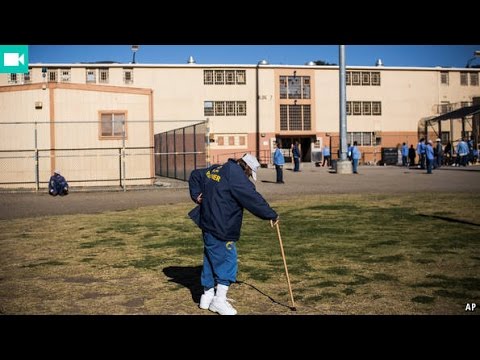
What about those older adults who are living life behind bars? Older incarcerated individuals comprise the fastest growing demographic in the US prison system. (Skarupski et al, 2018). More people are dying of old age in prison than ever before, and the population of older prisoners developing chronic disease and dementia is growing proportionate to the rest of the nation. Incarceraetd adults in their fifties or older, referred to as "prison boomers" are often in prison as a result of legislation like California's "Three-Strikes" that mandated life sentences for repeat offenders regardless of the seriousness of the third offense. (Psick et al, 2017)
What are the implications of this aging prison population? Prisons are not designed to be long term care facilities. They lack the infrastructure and staff training to adequately and humanely provide care within the walls of the facility.
Please watch the video:
(Source: The Economist)
Aging with Disability
In discussions of disability across the life span, one frequent goal is to draw attention to the long-term aspects of living with a disability. As people with many kinds of chronic health conditions acquired in early, middle, or late life live longer and as the impact on later life of what happens earlier in life is more fully appreciated, clinicians, families, and people with disabilities are recognizing how important it is to consider and plan for the long-term future. People with early-onset disabilities are said to "age with disability," while those with mid- or late-life onsets are said to have "disability with aging." This is stereotypic since disability and aging are processes that interweave across the whole life course.
People with disabilities and people who are aging with disabilities are on the rise all around the world. According to a report on disability published by the World Health Organization and the World Bank, roughly 15.3 percent of people had disabilities in 2004 and about 15% of people had disabilities in 2010, with about 2-4 per cent of these persons with disabilities having severe functional difficulties. Age has a significant impact: the older you get, the more likely you are to become disabled. For these reasons, the relationship between aging and disability has become extremely important, both in terms of its implications for aging people's involvement, inclusion, and quality of life, as well as its implications for socio-sanitary organizations.
Consequences between aging and disability
Three kinds of consequences between aging and disability.
- Disability-related secondary conditions- People with disabilities are more likely to develop secondary conditions, either directly or indirectly (any additional physical or mental health conditions that may arise as a result of a primary disabling condition but are not a specific feature of it), which are similar to those that aging people experience in general, but they occur 20-25 years earlier and are often referred to as premature or atypical.
- Age-related conditions—these conditions are related to aging and the long-term consequences of exposure to environmental risks, as well as the effects of poor health behaviors—that may be experienced by aging persons and also by aging people with disabilities. Hypertension, high cholesterol, diabetes, osteoarthritis, heart disease, gait and mobility issues, falls, respiratory infections/chronic obstructive pulmonary disease, urine Urinary Incontinence, osteoporosis, skin disease, hearing and vision loss, and dementia are examples of these conditions.
- Multiple Chronic Conditions- the risk of having two or more chronic conditions at the same time, either in dyads (hypertension and diabetes) or in triads (cholesterol, hypertension, and diabetes).
There are too many factors to address in this type of overview lecture, but let me share some research (or lack thereof) on a few topics that have been most recently published. We are learning that we simply don't have enough data to develop a strategy for many disabilities. For those disabilities that have been publicly recognized for long enough, there are structures in place to support life satisfaction in old age. For example, advocates for the vision and hearing impaired have been working for centuries to develop support strategies and legal protections to ensure as much equity as technology and human effort can support.
For example:
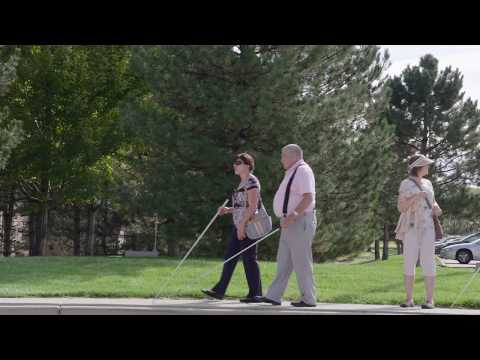
What about those disabilities that have only recently been a part of the public discourse? In my lifetime, the life expectancy of a baby born with Down's Syndrome, has doubled. Multiple Sclerosis is no longer a death sentence past age 40. The scope of conditions now considered legally protected disability has grown exponentially. Yet, we do not have programs and services designed to support and care for the individuals who will age with these conditions.
Autism
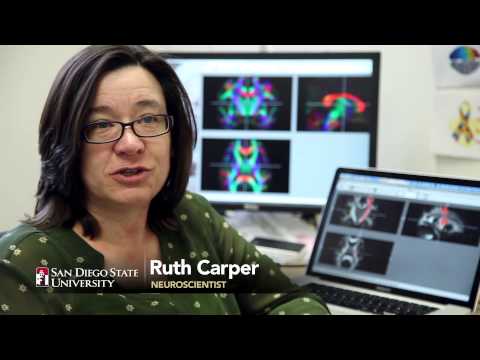
If you are interested in this topic, and want to learn more, please set aside 30 minutes to watch this wonderful presentation by Louise Aronson, MD, MFA; Professor of Medicine, Division of Geriatric Medicine; University of California, San Francisco. Recorded on 03/26/2021. It's worth the watch. https://youtu.be/OaMvp8GirEI

Cumulative Disadvantage
It comes down to that concept of "cumulative disadvantage." Cumulative disadvantage theory emphasizes how early advantage or disadvantage is critical to how cohorts become differentiated over time. Not only do the early risk factors shape trajectories in the short-term outcomes but in the long-term outcomes as well.
According to an article in The Gerontologist (2017), "Increasing inequality among older people, especially in cohorts approaching late life, presages upcoming financial challenges for elderly persons in the lower income distribution. Implications of this increasingly high-inequality late-life environment need to be carefully evaluated as changes are considered in Social Security and other safety-net institutions, which moderate impacts of economic forces that drive increasingly disparate late-life economic outcomes." Translated, this means that the further behind we start, and the more factors that compound our disadvantage, the harder it is to overcome.
Conclusion:
When we consider the idea of diversity, my hope is that you are also thinking about ways that we can, both personally and socially, make things better for everyone. It’s easy to throw around statistics and cultural profiles, but what do we really learn from them? Is it our responsibility to be culturally sensitive? Personally, I enjoy learning about people, and I like to think that I honor individuality as much as I want our society to learn to work together as a unit. I’m big on jigsaw puzzles, where each individual piece is unique, but is also a crucial part of bigger and beautiful picture. I leave the philosophical discussions to others. I would ask that you consider where you are in this broader discussion.
There’s a great self-assessment that I found, and wanted to share with you as a parting contemplation exercise. To determine your level of cultural sensitivity, consider how you’d answer the questions below.
-
-
What stigmas are associated with the socio-cultural group to which you most closely identify?
-
How has the group in which I grew up/live in, influenced the dominant values I now hold?
-
How do my perceptions differ from those people who come from other cultural backgrounds?
-
What is my attitude toward people, especially older adults?
-
How do you try to understand other ethnicities and cultures?
-
How do you interact with people of other cultures?
-
How do you (or do you) react when friends make racial slurs?
-
Do you mind living in a neighborhood, or attending a school made up of mixed ethnic groups?
-
Image Citation
Image courtesy of California Department of Aging
Image courtesy of PSU.edu
Images courtesy of DailyMail.com
Image courtesy of Census.gov