✅ONLINE LECTURE: How We Study Aging
How We Study Aging
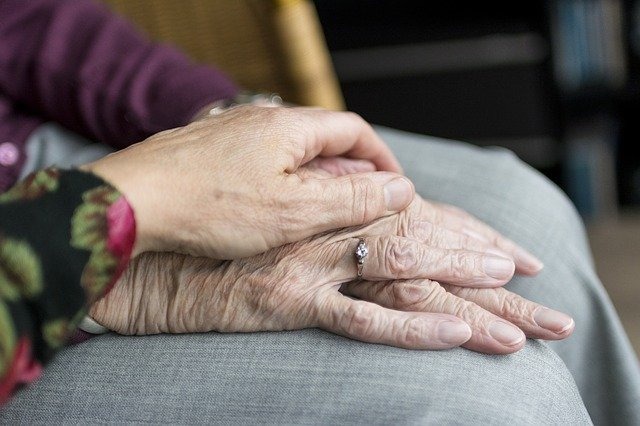
In 1949, the earliest case study on aging was published and offered a surprising finding: aging decline is not inevitable. The most significant reduction in health and psychological function was in people who had NOT adjusted well to old age. (Havinghurst, 1949) How do we adapt to old age?
The Kansas City study showed that are two key factors that strongly influence life satisfaction in later life. We need to have some sort of role to age into, and we need to have some expectation of who we are and keep a consistent thread throughout our life course. I would like to think that that is probably true of all ages. When we know who we are and what expectations exist for us, we can adapt.
The Kansas City study was the first of hundreds of studies exploring how humans develop over the life-course. Some of these studies resulted in published work that we now use as the foundations for gerontology and other human development and social sciences. As we explore each of the theoretical approaches, you will find that most of them are developmental. They follow the central tenant that our lives are a series of tasks, and each builds on the other.
Tasks? What Tasks??
When we are young, our job is to grow and develop our bodies and brains, establish our personality, and become our own person. Then, we focus on our education, careers, romance, and friendship. In midlife, we juggle the things we've built - our families, our jobs, maybe even our parents and all those things that go along with the new term, "adulting," like purchasing homes, paying insurance, healthcare, cars, and

retirement funds. As we enter the later stage of our lives (what some refer to as the third age), we've done all of the work. It's time for us to reflect, but not necessarily rest on our laurels. We can jump into new things, take all we've learned, and apply them to a unique experience. Later life can become a time to balance the losses we've experienced with the gains and maybe reconcile and make up for some of those losses.
As you are reading and watching lectures, I want you to reflect.
- What is it that you think is important?
- What do you think is going to be the most significant influence on your life before you are 40?
- How will the person you are NOW be going with you into later life?
- We have to be responsible for our physical health and our strength. We have to be accountable for our money, income, the choices we make in our spending, and adjusting to relationship status.
- Do we choose to have a spouse? Is having a boyfriend or a girlfriend important to us, or is the fear of losing that relationship enough to keep us isolated? We spend our lives making associations and developing friendships.
Our personalities can influence how well we do that because making friends can be a challenge at any age. I'm a super introvert. I don't do well in social situations. Making friends takes me a really long time. So, I know I'm going to have to get over myself if I want to have continuing social interactions at any point in my life.
We spent a lifetime adjusting to social roles and learning to be flexible. If something doesn't work out in life, we adapt; we move onto a different position. Maybe it's a socially prescribed series of roles that we grow up expecting, like moving from child to mother, to grandmother, or from child to worker, to boss, then worker, then volunteer. The key is to develop the skills that we need in order to adapt. At its most basic, we just want to be safe. I don't think that's any different for young people or older people. Certainly, older adults may be concerned about specific safety issues, where young people are more concerned about affordability or location, but we're still juggling the same questions. What can we afford? What is safe? How can I have my basic needs met predictably?
In our conversations about theoretical approaches to understanding aging, you may find that much of what we are studying applies throughout the entire life course and directly to you sitting there reading this lecture. I guarantee you will see a lot of this information on your midterm and final exam, and it is cumulative knowledge that you will need to understand pretty much everything else we're going to talk about all semester. I want to see that you get it and use this theoretical framework to understand the reality of your life.