✅ONLINE LECTURE: Death
How does one gently introduce the topic of end of life? I suppose the best way is to provide some definitions. Death - That's the easy one. Death is the physiological end of life. Dying, on the other hand, is an unpredictable process that varies from durations of years to seconds. It impacts both the "do-er" of the dying and all of those around them. I know that one lecture will not resolve all of your questions, some of which may be much too metaphysical for classroom discussion – others which may lead to a more spiritual debate. I am unprepared for a discussion of religion and the afterlife right now.
Most of us are quite comfortable with our mortality. We know that the choices we make have a direct impact on our bodies. If we smoke, drive fast, or sky-dive, we know that we have a more likely prospect of early death. What we are generally NOT comfortable with is the mortality of our loved ones. Strange but true, most of us would offer to take the place of a loved one rather than experience the loss and grief of death. We can prepare ourselves for the physical experience by studying biology and physiology. It is not as easy to prepare for the emotional experience of death.
Death
By definition, death is the ceasing of existence. The body shuts down and the brain activity ceases in humans and animals. Death can occur acutely through sudden illness, injury, or trauma (10% of all deaths in the U.S.). In these cases, the stages that the body goes through to reach the "end" can happen in rapid succession. In other cases, death occurs after an illness of some duration or at the end of a long process of senescence (90% of all deaths in the U.S.).
Medical Definitions
In earlier times, the doctor would listen for the heartbeat. Sometimes a feather was placed on the lips just below the nose, and everyone would watch to see if it was moved by breathing. Such simple ways of determining death opened the door for errors. Some persons presumed to be dead were really in a deep coma and at times were buried alive.

The fear of waking in the tomb was so great that some people arranged to have a bell and rope rigged from inside the crypt. If the person awakened in the tomb, they could ring the bell by pulling the cord. Thus, we now know the origin of the old saying, "saved by the bell."
The process of dying begins well before death actually occurs. If you know what to expect, it can eliminate a fear of the unknown, and help you to prepare for what is going to happen.We are as individual in death as we are in life, but there are some patterns among those with chronic, terminal illness.
One to five years prior to death
As we get to the end of our lives, particularly if we are over age 85 or are struggling with terminal illness, we may experience something called terminal drop. This change be observed by increased sleep, foggy thinking, and a retreat from social stimulation. It’s a time for quiet reflection and pulling away from friends and family. This may be a time that is difficult for caregivers because there will be some resistance to help.
One to three months prior to death
During this time, there is a reduction in appetite, because the body doesn’t need the calories it once did. Don’t worry. As long as there is no pain from a medical condition, this is a time of rest and quiet.
Two weeks prior to death
As we get closer, we start to see altered cognition in the form of confusion and disorientation. Some dying individuals report chatting with angels, or having hallucinations. Others develop paranoia and fear. Almost always, the level of spoken interaction will decrease,and eventually stop. It can be confusing for family and caregivers, but don’t take anything personally.
The body may start exhibiting signs of decline. Difficulty swallowing can make it hard to eat or take medications. Body temperature, pulse and blood pressure will drop slightly. The skin may change color and texture as circulation slows. Breathing patterns may become slower and irregular, with a rattling sound caused by congestion in the lungs. Muscle spasms may punctuate otherwise peaceful moments of sleep.
A few days prior
A few days prior to death may feel a bit surreal. It is not uncommon for the dying person to have a surge of energy, and want to be up and out of bed. They may be chatty and interactive, and even hungry. There is a phenomenon called terminal lucidity, a period of increased mental clarity and alertness during the dying process that can last for hours or days. Sometimes the changes are startlingly significant, other times only minor, but it is normal, and usually short lived.
After the surge, there will be a return to the prior decline, and perhaps even be more pronounced. As death approaches, breathing will become more irregular, and the rattle from congestion may be louder. It is not uncomfortable, but it sounds pretty scary Hands and feet will become blotchy from a reduction in circulation, and the lips may droop. Eyes may be open, even if the person is not responsive. Hearing is the last of the senses to go, so be mindful of volume. Talking can be soothing, so take the time to say what you need to say in the chance that they will hear you.
Eventually, breathing will cease, and the heart will stop. Death has occurred.
And then...
After the body has ceased to function, a series of purging processes may occur in the bowel, bladder, or digestive system. Blood will pool at the lowest point, so if we roll the body, it may show bruising or tinges of color at the lowest point. Stiffening of the tissues will start to occur within a few hours, known as rigor mortis. The final surprise for me was that if our eyes are open when we die, they stay that way. It is up to the caregiver to close the eyes prior to rigor setting in. Prior to contemporary mortuary practice of removing the body as soon as possible, we used pennies or farthings to hold the eyelids.
Old criteria remain. We still require that there be NO heartbeat or breathing. Now technology allows us to measure brain activity, so we have added the requirement of a flat EEG.
At The End
The usual term for irreversible death is clinical death, which means the permanent cessation of a heartbeat and breathing. But that label does not work because the person was not irreversibly dead. In other words, death was reversible.
Some argue that because the brain is the integrating organ of the body and the central part of the human system. So, they argue that when brain death occurs, the person is dead.
Would a patient in an irreversible coma or a persistent (constant) vegetative state, no longer able to process data received through the senses (or at least not communicate their processing to the outside world), be considered dead?
With today's technology (because machines can breathe for us and trigger heartbeats), we are in a dilemma about what or when a person is considered dead and when we can ethically withdraw life support.
There are four widely accepted criteria offered by the Harvard Medical School to define the criteria for determining brain death. If all criteria are met, the person is presumed to be dead for all practical purposes.
- Lack of receptivity and response to external stimuli. Total unawareness of the external world. Even the most painful stimuli evoked no vocal response or grimace or quickening of respiration or limb withdrawal.
- Absence of spontaneous muscular movement and spontaneous breathing after the respirator (artificial breathing machine) has been turned off for 3 minutes.
- Absence of observable reflexes, including brain and spinal reflexes. No pupil response to bright light, no evidence of swallowing, yawning, or vocalization
- A flat EEG determines the absence of brain activity. The procedure is repeated with no change within a 24 hour period.
A Caregiver's Perspective
Here is a short (5 min) video on Death and Dying from the perspective of a nursing/hospice care provider. I think it is good information, but it may be hard to hear.
(Source: Heart House Hospice)
Interested in learning more? Here is a great websites to peruse:
What To Expect When Your Loved One is Dying (WebMD)
Dealing with Our Feelings About Death
What does death mean to you?
Too often, we accept the fact of our death intellectually, but not emotionally. It is very difficult to imagine not being alive--life going on without you. Death forces us to review our lives. "Has my life had meaning"? Erickson addressed this in describing the last and final stage of life: integrity or dignity versus despair. One must review his/her life and find it had meaning, or die in despair.
Woody Allen said, "I'm not afraid to die; I just don't want to be there when it happens." People are more afraid of dying than of death. They fear the process. Will someone be with them? Will they be in pain or be a burden to others?
When we ask different age cohorts about death, it is often the middle age and younger respondents who express the greatest fears. It's not older adults. Young people are afraid of getting old; they're afraid of getting sick; they're afraid of being made obsolete. Older adults recognize that they are closer to death than they've ever been. They may not particularly be looking forward to death, but their fears and anxieties are more to do with suffering during the dying process than death itself. It is those of us who are watching our parents age and become frailer. We are the ones that express the greatest fear.
What scares us about death?
-
Well, that depends on whom you ask. The older adult is scared of decline, pain, and of being alone. The middle-aged are scared of losing their loved ones.
Our society helps us deny and avoid thinking about death. Think of some of the euphemisms used to deny death: passed on, passed away, taken from us, taken home, fallen asleep, put to sleep.
All of us have some concerns about our death. These concerns can affect our ability to deal with the elderly, the ill, the grieving, and the death of someone close to us.
Each of us has a different way of dealing with our fears. These include:
- denial- "I plan to live forever," an unconscious thought that "Others die, but not me or those close to me."
- repression- "I'm just not going to think about it."
- intellectualization- "Of course, I realize I'm going to die."
- religious beliefs
- preparation-settling affairs, arranging funerals and practical matters of death
How do we talk about death?
If you are around elderly people in your family or work with the elderly, you will have to deal with death. Older people die more often than younger people do. You will be confronted with people who are dying and others who are grieving.
Some people avoid being around older people, avoid nursing homes, avoid those who are dying because of their own fear of death.
There is a misconception that the elderly are preoccupied with death. That is not true, but they often find the subject avoided when they do want to talk about it. They need an opportunity to discuss death.
I have seen health care workers, uncomfortable with their own death when asked by a dying patient if they were going to die, respond, "now, don't talk that way, everything is going to be fine." This response denies the dying person the ability to get input on which to base decisions.
There are three strategies that families, caregivers, and even the dying can take to talk about death. None of these strategies is "right" or "wrong" and are often a deeply entrenched part of the family or cultural dynamics. Sociologists Barner Glaser and Anselm Strauss (1966) created a typology of awareness contexts of dying for terminally ill patients.
Closed Awareness happens when the doctor knows the patient is dying but keeps it to himself. There is a mutual agreement that the physician is the trusted caretaker, and he knows best. Particularly in a terminal patient case, the physician may judge that knowledge's stress would be worse than the condition. So, the patient and family are told to make the patient comfortable, and they end their time together in peaceful ignorance.
Suspicion Awareness is happening when the patient is aware that "something is wrong," but the physician or family who has the diagnostic information hides the truth from the patient.
Ritual Drama of Mutual Pretense is when everyone knows what's going on, but no one is talking. If we don't talk about it, we don't have to deal with it.
Open Awareness is a very Western ideology that we all want ALL the information. We acknowledge what is happening, and we are open about diagnoses, treatments, timeframes, and plans. The ultimate goal is closure for everyone before death happens.
I often wonder if we had a way to prepare to have the conversation, we would be more at ease. I ask you to consider reframing your questions about death. Instead of plunking down one day after dinner and saying, "Hey Mom! Let's talk about death." Maybe if we ask questions like, "tell me about your life." Or "tell me about the things that you want to accomplish before the end of your life."
Having conversations, openly and honestly, about death can allow our older family and friends to identify the parts of their lives that were important to them - those things they'd like most for you to remember - and to revisit them. Sharing the stories allows our older family to know that their stories will go on long after they have died.
Who Dies?
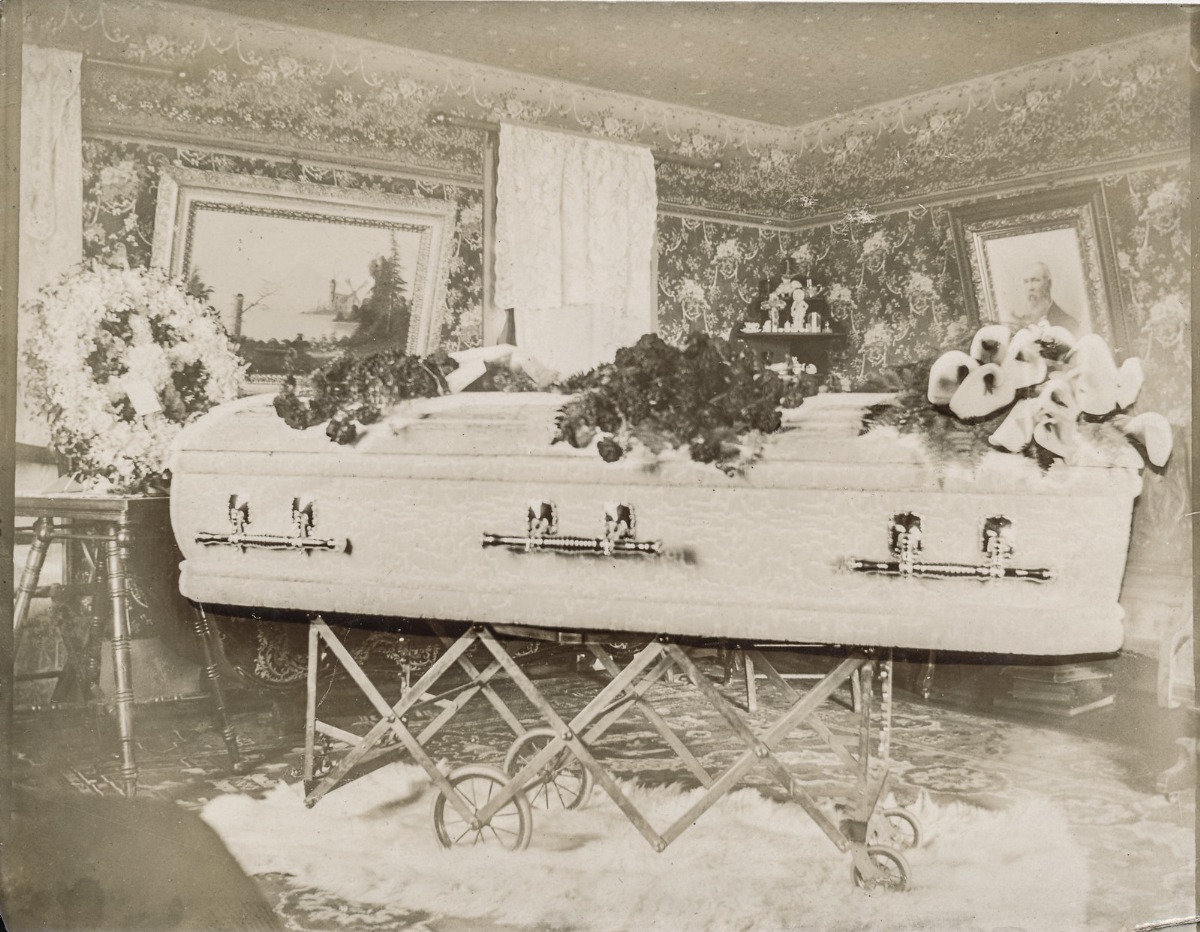
In the early 1900s, more than half of all deaths involved people aged 14 or younger. Now, we don't have youth dying at the same rate, and death has really become the purview of the old. We die in hospitals, in emergency rooms, and in acute care. We die in skilled nursing facilities. Some of us die at home, but in the 20th century, death, like childbirth, was medicalized and moved out of the home and into hospitals.
In 1990, final mortality statistics indicated that 75% of all deaths occurred in an institutional setting. Of the deaths in hospitals, approximately 84% occurred in inpatient units, including the cardiac and intensive care units. It breaks down like this:
- Hospitals 50% (15% ER, 25% acute care)
- Skilled Nursing Facilities 25%
- At Home 25%
We can't prevent death. What we can do is prolong life through treatments and technologies. The United States generally has high surgery rates, diagnostic tests, and other procedures than other countries, even with neighboring Canada. Overall, a "technological imperative "seems to characterize medical practice, including care of the dying. The result of this medical activism, some argue, can be tragic. Researchers have identified "an unwillingness to let nature take its course" that often leads to an impersonal and unwittingly cruel "death in a technologic cocoon" (Callahan, 199). One study of physicians and nurses reported that nearly half of those interviewed admitted to having acted contrary to their consciences, mostly by providing overly burdensome treatment.
The Hippocratic Oath
The Hippocratic Oath taken by graduating doctors says, paraphrased, that they will "above all else, do no harm." But if we train young doctors and nurses that death equals failure, then it makes sense that they would implement these life-sustaining measures - perhaps without considering the implications.
Doctors add years to life. That is what they are trained to do. Our medical schools do not do such a great job teaching how to help patients balance life-saving with quality of life. Of all the medical schools in the United States, few offer semester-long courses on Gerontology. During these courses, physicians learn about death's physical causes and the psychosocial components of loss, grief, death, and letting go. If a doctor doesn't those, unfortunately, he ends up learning those skills through experience. Remember, when you're in medical school, you are trained to be an expert in treating an illness and saving a life. We don't want to label patients "dying" because that might imply that we're giving up. Unfortunately, if we know that a patient is dying, we fear that the doctor may say, "well, then I've failed, and I can't do anymore." (Bickel-Swenson, 2007; Carmel et al, 1992))
Above All Else, Do No Harm
Just because you're dying doesn't mean that you aren't in pain. It doesn't mean that you're not having difficulty breathing. It does not mean that you don't want to communicate with your family. It does not mean "stop treating me as a human." We also don't want our physicians to keep information from us, telling us that everything will be fine….and then SURPRISE!
One of the gerontologists' goals is to teach caregivers how to find a balance between their medical knowledge and technique and their fear of failing a patient by letting them die.
It is also profoundly expensive to keep people alive. In 2007 end of life care cost the United States $1 trillion….yes… TRILLION. Recent statistics show that 25% of annual Medicare expenditures are spent on the last six months of life. In many cases, those last six months are spent in hospitals or nursing homes, and there is no evidence of improved quality of life during that time. In 2010, it was estimated that the last two months of life cost Medicare $50 billion, and 30% of those expenses made little to no difference in disease trajectory. (Zhang, et al., 2009)
In the United States, dying is one of the most expensive things we do.
Please watch the video:

(Source: Buzzfeed Multiplayer)
What Kills Us?
Ultimately, we would all hope to live a long and healthy life, followed by a quick and painless death. One of the primary goals of contemporary medicine is to prolong life and prevent disease. We do live longer, and we have accomplished a certain rectangularization of the life curve. If you look at the graph, you can see the compression of mortality. The black line represents a shorter life expectancy and a longer rate of senescence. The red line indicates a longer life expectancy and a compression of the time that we spend in decline.
What do we die from? According to the United States Centers for Disease Control, in 2018, (cdc.gov. 2020) the leading causes of death were:
- Heart Disease (655,381)
- Cancer (599,274)
- Update: In 2020 in an 8-month period, COVID-19 (326,000 USA) (Source: New York Times)
- Accidents (unintentional injuries) (167, 127)
- Chronic lower respiratory diseases (159,486)
- Stroke (cerebrovascular diseases (147,810)
- Alzheimer's Disease (122,019)
- Diabetes (84,946)
- Influenza and pneumonia (59,120)
- Nephritis, nephrotic syndrome, and nephrosis (kidney disease) (51, 386)
- Intentional self-harm (suicide) (48,344)
Heart disease and cancer have been the two leading causes of death among those over age 65 for the past twenty years. Among the over 65 population, 35% of deaths are caused by heart disease, 22% by cancer. Chronic Obstructive Pulmonary Disease is third most common medical condition that kills caucasian men and women between 65-74, but only the fifth most common cause of death among the total population. If you look at the list, be aware that after age 85 it is uncommon to have just one of these conditions, and it is often difficult to determine which underlying condition is the actual cause of death. (cdc.gov, 2020)
Image Citations
Image created by author using Canva
"Casket sitting in a funeral parlor" by simpleinsomnia is licensed under CC BY 2.0
Image created by author using Canva