3.5 Common Physical Changes and Health Conditions
Aging Changes Risk, Not Destiny
A Quick Note Before You Begin
This is one of the longer readings in the course. Don't panic.
Aging biology is a big topic, and this chapter serves as both your lecture and textbook. You are not expected to memorize every detail. Instead, focus on the major themes:
- Aging is not the same thing as disease.
- Primary and secondary aging often interact.
- Biology influences aging, but it does not completely determine outcomes.
- Many age-related changes can be modified through behavior, environment, and healthcare.
- Function and quality of life matter as much as diagnosis.
Consider reading this chapter in sections rather than trying to tackle it all at once. Take breaks. Stretch. Hydrate. The irony of reading about healthy aging while neglecting your own body is not lost on me.
One of the most common misconceptions about aging is the belief that growing older automatically means becoming sick. We often hear phrases such as "It's just old age" used to explain everything from memory problems to heart disease to difficulty walking. As gerontologists, we need to be more careful.
Aging itself is not a disease. As we discussed earlier in this module, primary aging refers to the normal biological changes that occur over time, while secondary aging refers to the effects of disease, injury, lifestyle, and environmental influences. The challenge is that these processes often occur simultaneously.
Consider two seventy-five-year-olds. Both may experience normal age-related changes in vision, hearing, reaction time, and muscle mass. However, one may also have hypertension, diabetes, and arthritis, while the other remains relatively healthy. Their chronological age is identical, but their health experiences are dramatically different.
For this reason, gerontologists focus on risk rather than inevitability. Aging increases the likelihood of certain conditions, but it does not guarantee them. Understanding which changes are associated with normal aging and which represent disease processes helps us identify opportunities for prevention, treatment, adaptation, and support.
The goal of this section is not to turn you into a physician. Rather, it is to help you understand some of the most common health concerns associated with aging, why they occur, and how they affect everyday life.
The Cardiovascular System: The Heart Works Harder
If there is one system that illustrates the difference between aging and disease, it is the cardiovascular system.
Throughout our lives, the heart performs an astonishing amount of work. By the time a person reaches age seventy, their heart has beaten nearly three billion times. It is not surprising that some changes occur along the way.
As people age, blood vessels gradually become less flexible. The heart muscle itself may become slightly thicker, and the cardiovascular system becomes somewhat less efficient at responding to physical demands. Gerontologists often refer to this as a reduction in cardiovascular reserve. In simple terms, older adults may still be capable of performing the same activities as younger adults, but the body often has to work harder to accomplish them.
Many people notice this change first during physical activity. Recovery may take longer after exercise. Climbing a steep hill may require more effort than it once did. Activities that were once effortless may require a little more planning and pacing.
These changes are considered part of primary aging.
However, many of the cardiovascular problems we associate with older adulthood are not normal aging. They are disease processes that become more common with age.
Hypertension: The Silent Condition
One of the most common health conditions affecting older adults is hypertension, or high blood pressure.
Blood pressure measures the force of blood pushing against the walls of the arteries. Over time, as blood vessels lose some of their flexibility, blood pressure often increases. Because hypertension usually develops gradually and often produces no obvious symptoms, it is sometimes called the "silent killer."
Untreated hypertension can damage blood vessels throughout the body and significantly increase the risk of heart disease, kidney disease, and stroke.
The encouraging news is that hypertension is often manageable. Regular physical activity, a healthy diet, maintaining a healthy weight, limiting tobacco use, reducing excessive alcohol consumption, and following medical recommendations can all help reduce risk.
Congestive Heart Failure
The term congestive heart failure sounds alarming, and understandably so. Fortunately, it does not mean that the heart has stopped working.
Instead, congestive heart failure occurs when the heart is unable to pump blood as efficiently as the body requires. As a result, fluid may accumulate in the lungs, legs, or other tissues.
Individuals with congestive heart failure often experience fatigue, shortness of breath, swelling, and reduced exercise tolerance. Everyday activities that once seemed routine may become exhausting.
As life expectancy has increased, more people are living for many years with congestive heart failure. This has shifted the focus from simply treating the condition to helping individuals maintain quality of life, independence, and participation in meaningful activities.
Stroke
Few health events have a greater potential to alter a person's life than a stroke.
A stroke occurs when blood flow to part of the brain is interrupted, depriving brain cells of oxygen. Depending on the location and severity of the stroke, the consequences may include difficulties with movement, speech, memory, cognition, or emotional regulation.
From a gerontological perspective, the impact of a stroke extends far beyond the medical event itself. A stroke can affect relationships, employment, independence, housing decisions, caregiving needs, and social participation. Recovery often involves not only physical rehabilitation but also emotional adaptation and changes in family roles.
This is one reason prevention remains so important. Many of the factors associated with stroke risk, including hypertension, smoking, diabetes, and physical inactivity, are influenced by behaviors and environments throughout the lifespan.
Why This Matters
Cardiovascular disease remains one of the leading causes of disability and death worldwide. At the same time, it provides one of the clearest examples of why aging should not be confused with disease.
Some changes in the cardiovascular system are normal. Hypertension, congestive heart failure, and stroke are not.
Understanding that distinction allows us to move beyond the belief that health problems are simply an inevitable consequence of growing older. Instead, we can focus on prevention, treatment, adaptation, and the many ways individuals continue to live meaningful lives despite cardiovascular challenges.
The Respiratory System: Every Breath Counts
Like every other system in the body, the respiratory system changes with age. These changes are generally gradual and often go unnoticed because they occur over many years. Nevertheless, they can affect endurance, physical activity, recovery from illness, and overall quality of life.
As we age, lung tissue becomes somewhat less elastic. The muscles involved in breathing, including the diaphragm and muscles of the chest wall, may gradually lose strength. The rib cage itself becomes less flexible, reducing the lungs' ability to expand fully. Together, these changes reduce what researchers call respiratory reserve, the extra capacity the lungs can draw upon during periods of exertion or illness.
Most healthy older adults continue to obtain plenty of oxygen for their everyday activities. However, they may notice that they become short of breath more quickly when climbing stairs, walking uphill, or engaging in strenuous exercise. Recovery after physical exertion may also take longer than it once did.
These changes are considered part of primary aging.
What often creates confusion is that many respiratory diseases become more common with age. While these conditions may occur alongside normal aging, they are not caused by aging itself.
Chronic Obstructive Pulmonary Disease (COPD)
One of the most common respiratory conditions affecting older adults is Chronic Obstructive Pulmonary Disease (COPD).
COPD is an umbrella term that includes conditions such as chronic bronchitis and emphysema. The disease limits airflow and makes breathing increasingly difficult over time. Individuals may experience chronic coughing, wheezing, fatigue, and shortness of breath.
Unlike primary aging, COPD is not inevitable. The strongest risk factor is smoking, although environmental exposures, occupational hazards, air pollution, and genetic factors can also contribute.
The distinction between aging and disease is particularly important here. Many people assume that becoming short of breath is simply a normal part of getting older. In reality, significant breathing difficulties often warrant medical evaluation because they may reflect a treatable condition rather than normal aging.
Pneumonia and Respiratory Infections
Another concern for older adults involves respiratory infections.
As we age, the immune system becomes somewhat less efficient at responding to new threats. At the same time, reduced lung elasticity and changes in coughing reflexes can make it more difficult to clear mucus and other materials from the respiratory system.
These factors increase vulnerability to illnesses such as influenza, COVID-19, bronchitis, and pneumonia.
Pneumonia deserves particular attention because it remains one of the leading causes of hospitalization among older adults. While many younger individuals recover quickly from respiratory infections, older adults often face longer recovery periods and greater risks of complications.
This is one reason healthcare professionals place such emphasis on vaccinations, hand hygiene, and early treatment when respiratory symptoms develop.

The Importance of Physical Activity
One of the most effective ways to support respiratory health is also one of the simplest: movement.
Regular physical activity helps maintain cardiovascular fitness, strengthens muscles involved in breathing, improves endurance, and increases the body's ability to use oxygen efficiently. People who remain physically active throughout adulthood often retain greater respiratory capacity than those who are largely sedentary.
This does not mean everyone needs to run marathons. Walking, swimming, dancing, gardening, cycling, and other forms of regular movement all contribute to maintaining respiratory health.
As with muscle strength, the principle is straightforward. Systems that are used tend to function better than systems that are not.
Why This Matters
Breathing is something most people take for granted until it becomes difficult.
When respiratory function declines, the consequences often extend far beyond the lungs themselves. Difficulty breathing can limit physical activity, reduce social participation, increase dependence on others, and contribute to feelings of anxiety or isolation.
For gerontologists, the question is not simply whether lung capacity changes with age. The more important question is how respiratory health influences a person's ability to remain active, engaged, and independent.
Like many aspects of aging, the story is not simply about decline. It is about understanding risk, supporting health, adapting to change, and preserving quality of life.
Bones, Joints, and Mobility: The Foundation of Independence
When people imagine growing older, they often focus on visible signs of aging such as gray hair, wrinkles, or reading glasses. Yet when researchers ask older adults what most affects their quality of life, the answers tend to be much more practical.
Can I get where I need to go?
Can I climb the stairs?
Can I carry my groceries?
Can I travel?
Can I continue living in my own home?
Can I get up if I fall?
At the heart of many of these concerns is mobility.
Mobility is more than movement. It is independence, participation, and freedom. It determines whether people can engage in their communities, maintain relationships, pursue hobbies, and remain in the environments they call home. For this reason, changes affecting bones, joints, muscles, and balance often have consequences that extend far beyond the physical body.
Bone Density and Aging
Throughout childhood and early adulthood, the body is constantly building bone. Most people reach their peak bone mass sometime between their late twenties and early thirties. For many years, the body maintains a relatively stable balance between removing old bone tissue and creating new bone tissue.
Eventually, however, that balance begins to shift.
As we age, bone is broken down faster than it is replaced. This gradual reduction in bone density is considered part of primary aging. The process occurs in both men and women, although women often experience more rapid bone loss following menopause due to declining estrogen levels.
Many people are surprised to learn that bones are living tissue. They respond to activity, nutrition, hormones, and environmental influences throughout life. Just as muscles strengthen when challenged, bones respond to physical stress by becoming stronger. Weight-bearing activities such as walking, hiking, dancing, strength training, and climbing stairs help stimulate bone maintenance and growth.
Nutrition also plays a role. Adequate calcium, vitamin D, and overall nutritional health contribute to maintaining bone strength across the lifespan.
Osteoporosis: When Bone Loss Becomes Disease
Although some loss of bone density is associated with normal aging, osteoporosis is not considered a normal part of aging.
Because osteoporosis develops gradually and often produces no symptoms until a fracture occurs, it is sometimes called a "silent disease."
From a gerontological perspective, the consequences of osteoporosis extend beyond the fracture itself. A broken wrist may temporarily limit independence. A spinal fracture can affect posture, mobility, and chronic pain. A hip fracture can be life-changing, leading to hospitalization, rehabilitation, changes in living arrangements, and increased caregiving needs.
This is one reason screening, prevention, and treatment have become important public health priorities.
Joints and Arthritis
Bones provide structure, but joints make movement possible.
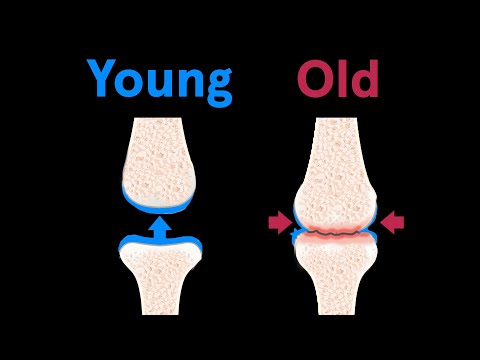
Over time, joints experience years of use. Cartilage, the smooth tissue that cushions joints and allows bones to move against one another, gradually becomes less resilient. Some stiffness upon waking or after prolonged inactivity is common with advancing age.
However, significant joint pain is not simply "old age."
The most common joint condition affecting older adults is osteoarthritis, a disease involving the gradual breakdown of cartilage within joints. Osteoarthritis commonly affects the knees, hips, hands, and spine.

Individuals may experience pain, swelling, stiffness, or reduced range of motion. Activities that once seemed routine, such as opening jars, climbing stairs, kneeling in the garden, or carrying laundry, can become more challenging.
It is important to recognize that osteoarthritis is not inevitable. Many adults experience age-related joint changes without developing significant arthritis. Genetics, previous injuries, body weight, occupation, and physical activity levels all influence risk.
Like many conditions associated with aging, osteoarthritis reflects an interaction between primary and secondary aging rather than a simple consequence of growing older.
Posture Changes and the "Dowager's Hump"
Many people have observed that some older adults appear to become shorter as they age. Others develop a noticeable forward curve in the upper back, sometimes referred to as a dowager's hump. The medical term for this condition is kyphosis, an excessive curvature of the thoracic spine.
While popular culture often treats this as an inevitable consequence of aging, the reality is more complex.
Several factors contribute to age-related posture changes. Bone loss associated with osteoporosis can cause compression fractures in the vertebrae, gradually altering the shape of the spine. At the same time, age-related muscle loss can weaken the muscles responsible for maintaining upright posture. Years of repetitive movement patterns, arthritis, spinal degeneration, and prolonged sitting may also contribute to postural changes.
The result is often a gradual forward rounding of the shoulders and upper back. Many older adults lose one to three inches of height over the course of later life due to changes in the spine and posture.
These changes are not simply cosmetic.
Poor posture can affect balance, increase fall risk, reduce mobility, contribute to neck and back pain, and even affect breathing. A severely curved spine may compress the chest cavity, limiting lung expansion and making physical activity more difficult.
Do you see yourself in any of these? I know that I have thoracic kyphosis.
What do you think you are training your posture to look like as you age? There is actually a new term that I am seeing used to describe the image below, "Text-neck." So, watch your posture as you type!!

Fortunately, posture is another example of an area where adaptation and prevention matter. Strength training, weight-bearing exercise, balance activities, flexibility work, and maintaining strong core and back muscles can help support healthy posture throughout life. While not all age-related changes can be prevented, remaining physically active can significantly influence how the body responds to aging.
From a gerontological perspective, posture offers another reminder that aging is rarely the result of a single factor. Bone health, muscle strength, physical activity, disease processes, and lifelong habits all interact to shape how people move through the world.
One of the great ironies of aging is that many people spend decades being told to "stand up straight" by parents, teachers, dance instructors, and grandparents. It turns out they may have been onto something.
Balance: The System Nobody Thinks About Until It Changes
Most young adults rarely think about balance.
The ability to remain upright seems automatic. Yet balance is actually one of the most complex tasks the body performs.
Maintaining balance requires constant communication among multiple systems. The brain must process information from the eyes, inner ears, muscles, joints, and nervous system. The body then makes thousands of tiny adjustments throughout the day without conscious awareness.
As we age, small changes occur within many of these systems. Vision may become less sharp. Reaction times may slow slightly. Muscle strength may decrease. Sensation in the feet may become less sensitive. Medications may affect alertness or coordination.
Individually, these changes may seem insignificant.
Together, they can substantially affect stability.
This is one reason falls rarely have a single cause. A loose rug, poor lighting, weaker leg muscles, bifocal glasses, medication side effects, and a moment of distraction may combine to create the perfect conditions for a fall.
Falls: More Than an Accident
Falls represent one of the most significant concerns in gerontology.
Each year, millions of older adults experience falls. While some result only in embarrassment, others lead to fractures, hospitalizations, disability, or loss of independence.
The physical consequences can be serious, but the psychological consequences are often equally important.
Many older adults develop a fear of falling after an accident. They begin avoiding activities they once enjoyed. They walk less. They exercise less. They decline invitations. They become increasingly cautious.
Unfortunately, this response often creates a vicious cycle.
Reduced activity leads to weaker muscles, poorer balance, and lower confidence, which in turn increases fall risk. What begins as a reasonable effort to stay safe can gradually reduce independence and quality of life.
For this reason, fall prevention focuses on far more than simply avoiding accidents. Exercise programs that improve strength and balance, appropriate footwear, regular vision examinations, medication reviews, safer home environments, and accessible community design all contribute to reducing risk.
Why Mobility Matters
When students think about healthy aging, they often focus on longevity. Yet many gerontologists argue that mobility may be a more meaningful measure of successful aging than the number of years a person lives.
The ability to move safely through the world affects nearly every aspect of daily life. Mobility influences where we live, how we socialize, whether we travel, how we obtain healthcare, and how independently we function.
This is why preserving strength, balance, and mobility receives so much attention in aging research. The goal is not simply to help people live longer. The goal is to help people remain active participants in their own lives for as long as possible.
In many ways, mobility is freedom. Protecting it is one of the most important investments we can make across the lifespan.
Digestion, Metabolism, and Weight: More Than a Slower Metabolism
Ask a group of adults what happens to metabolism as people age, and most will immediately answer: "You gain weight."
While there is some truth to this idea, it oversimplifies a much more complicated process.
Many people assume that the body simply "slows down" with age and begins storing fat more easily. In reality, changes in weight and metabolism often reflect a combination of biological changes, lifestyle patterns, muscle loss, physical activity levels, and health conditions that interact over many years.
One of the most important changes involves body composition. Beginning in adulthood, most people gradually lose muscle mass while gaining body fat. Because muscle tissue requires more energy to maintain than fat tissue, losing muscle can reduce the number of calories the body burns at rest.
This helps explain why many adults discover that the eating habits that worked at age twenty-five no longer produce the same results at age sixty-five.
At the same time, physical activity often declines. Work may become more sedentary. Injuries accumulate. Retirement changes daily routines. Responsibilities shift. The result is often a combination of fewer calories burned and less muscle available to burn them.
The issue is not simply weight gain. It is a change in the body's overall composition.
Changes in Digestion
The digestive system itself also undergoes age-related changes, although these changes are often less dramatic than people imagine.
Food still moves through the digestive tract, nutrients are still absorbed, and digestion continues throughout life. However, some processes become slightly less efficient. Saliva production may decrease, affecting chewing and swallowing. The stomach may empty more slowly. The digestive tract may move food more gradually, increasing the likelihood of constipation.
Many older adults also experience changes in appetite. Some report feeling full more quickly, while others lose interest in food altogether. Medications, chronic illnesses, changes in taste and smell, dental problems, and social isolation can all influence eating habits.
These changes matter because good nutrition becomes increasingly important as we age.

The Nutrition Paradox
One of the more surprising findings in gerontology is that older adults often need fewer calories but more nutrition.
As metabolism and physical activity decline, calorie requirements may decrease. At the same time, the body's need for protein, vitamins, minerals, and other nutrients remains high. In some cases, nutritional needs actually increase.
This creates what researchers sometimes call the nutrition paradox. Older adults may consume fewer calories overall while simultaneously becoming more vulnerable to nutritional deficiencies.
Protein deserves particular attention. For many years, nutrition discussions focused primarily on weight loss. Today, gerontologists are increasingly concerned about preserving muscle mass. Adequate protein intake helps support muscle maintenance, immune function, healing, and overall health.
The goal is not simply to weigh less. The goal is to maintain strength, function, and independence.
Adult-Onset Diabetes (Type 2 Diabetes)
One of the most common health conditions associated with aging is Type 2 diabetes.
Type 2 diabetes occurs when the body becomes less effective at using insulin, the hormone responsible for helping glucose enter cells where it can be used for energy. Over time, blood glucose levels rise, increasing the risk of damage to blood vessels, nerves, kidneys, eyes, and other organs.
Age is a risk factor for Type 2 diabetes, but aging itself does not cause the disease.
Instead, risk reflects the interaction of multiple factors, including genetics, body composition, physical activity, diet, stress, and overall health. This distinction is important because it reinforces a theme we have encountered throughout this module: many conditions associated with older adulthood are not inevitable consequences of aging.
Type 2 diabetes is often manageable through lifestyle changes, medication, monitoring, and medical care. Many individuals live active, productive lives while successfully managing the condition.
Weight, Health, and Aging
Weight is one of the most misunderstood topics in discussions of aging.
Popular culture often focuses on the number displayed on a scale, but gerontologists are frequently more interested in function than appearance. A person may weigh exactly the same at age seventy as they did at age forty while having significantly less muscle and more body fat. Conversely, an older adult may weigh more than recommended but remain physically active, socially engaged, and functionally independent.
This does not mean weight is irrelevant. Excess body weight is associated with increased risk for many chronic diseases. At the same time, being underweight can also create serious health risks in later life, including muscle loss, frailty, reduced immune function, and increased vulnerability during illness.
The relationship between weight and health is more complicated than many people realize.
Rethinking BMI in Later Life
Many students are familiar with Body Mass Index (BMI), a calculation based on height and weight that has traditionally been used to categorize individuals as underweight, normal weight, overweight, or obese.
BMI can be useful when examining large populations, but it has important limitations, particularly among older adults. One of the biggest criticisms of BMI is that it does not distinguish between muscle, bone, and fat. Two individuals may have identical BMIs while having very different body compositions and health risks. This becomes especially important as people age.
Remember our discussion of sarcopenia, the age-related loss of muscle mass. An older adult may lose significant amounts of muscle while maintaining the same body weight. On paper, their BMI may appear perfectly normal. In reality, they may be becoming weaker, frailer, and more vulnerable to falls and disability. Conversely, another older adult may have a BMI that places them in the "overweight" category while remaining physically active, functionally independent, and metabolically healthy. BMI alone cannot distinguish between these situations.
In recent years, researchers have begun questioning whether the traditional BMI categories developed primarily from younger and middle-aged populations are appropriate for older adults. A growing body of evidence suggests that the lowest mortality rates in later life often occur among individuals whose BMI falls within the range traditionally labeled as "overweight." Several studies have found that older adults with BMIs between approximately 25 and 30 often experience equal or lower mortality risk than those in the conventional "normal weight" category. Researchers have also found that very low BMI in later life may be associated with increased risks of frailty, falls, illness, hospitalization, and mortality.
This finding is sometimes referred to as the obesity paradox, although the term can be misleading. It does not mean that obesity suddenly becomes healthy. Rather, it suggests that a modest amount of additional weight may provide physiological reserves during illness, hospitalization, or periods of stress. Researchers continue to debate exactly how this relationship works, but most agree that the connection between weight and health becomes more nuanced with age.
As a result, many gerontologists place less emphasis on achieving an ideal BMI and greater emphasis on maintaining strength, mobility, muscle mass, nutritional health, and functional independence. A person who is active, strong, socially engaged, and able to perform the activities of daily living may be aging successfully even if their BMI falls outside traditional recommendations.
For older adults, the more useful questions are often not "What do you weigh?" but rather "How strong are you?", "Can you move safely?", "Are you well nourished?", and "Can you continue doing the things that matter to you?"
Why This Matters
Conversations about metabolism often focus on appearance. Gerontologists tend to focus on function.
The most important questions are not whether someone can still fit into the same jeans they wore twenty years ago. The more important questions are whether they have the strength to remain independent, the nutritional resources to stay healthy, and the physical capacity to participate in the activities that give their lives meaning.
As with many aspects of aging, digestion, metabolism, and weight are not simply about decline. They are about adaptation, prevention, and understanding how biological changes interact with lifestyle, health, and environment across the lifespan.
Cancer: Why Age Matters
Cancer is one of the diseases most strongly associated with aging. In fact, age is one of the greatest risk factors for developing many forms of cancer.
This often creates confusion. If cancer becomes more common with age, does that mean cancer is part of normal aging?
The answer is no.
Cancer is not a normal consequence of growing older. It is a disease. However, understanding why cancer becomes more common with age helps illustrate many of the concepts we have explored throughout this module.
Throughout our lives, our cells are constantly dividing, repairing, and replacing themselves. Every time a cell divides, there is an opportunity for mistakes to occur. Fortunately, the body has sophisticated mechanisms for detecting and repairing damaged DNA. The immune system also helps identify and destroy many abnormal cells before they become a problem.
For most of our lives, these systems work remarkably well.
As the years pass, however, cells accumulate damage from a wide variety of sources. Sun exposure, environmental toxins, smoking, infections, inflammation, radiation, and the normal wear and tear of cellular metabolism all contribute to this process. At the same time, the body's repair and surveillance systems become somewhat less efficient.
Think back to our discussion of DNA damage and cellular aging. Cancer is one example of what can happen when damaged cells escape the normal controls that regulate growth and reproduction.
In other words, aging does not cause cancer, but aging creates more opportunities for cancer to develop.
Cancer Is Not One Disease
One of the biggest misconceptions about cancer is the idea that it is a single disease.
In reality, cancer is a broad term describing hundreds of different diseases that share a common characteristic: abnormal cell growth.

Breast cancer, lung cancer, prostate cancer, colorectal cancer, skin cancer, leukemia, and pancreatic cancer all involve different tissues, different risk factors, different treatments, and different outcomes.
Some cancers grow slowly. Others progress rapidly.
Some are highly treatable. Others remain extremely challenging despite decades of research.
This diversity helps explain why there is no single cure for cancer. Researchers are not fighting one disease. They are fighting many.
The Importance of Screening and Early Detection
One of the most important developments in modern healthcare has been the ability to identify certain cancers before symptoms appear.
Screening tests such as mammograms, colonoscopies, Pap tests, skin examinations, and prostate evaluations have helped detect cancers earlier, when treatment is often more successful.
This does not mean every screening test is appropriate for every individual. Decisions about screening depend on age, personal health history, family history, risk factors, and conversations with healthcare providers.
The larger point is that early detection can dramatically influence outcomes.
Many of the improvements in cancer survival over the past several decades have occurred not because we have eliminated cancer, but because we have become better at finding it earlier and treating it more effectively.
Living With Cancer
For much of human history, a cancer diagnosis was often viewed as a death sentence.
Today, that picture is far more complicated.
Many individuals live for years or even decades following a cancer diagnosis. Some are considered cured. Others manage cancer as a chronic condition. Advances in surgery, radiation therapy, chemotherapy, immunotherapy, targeted therapies, and supportive care have dramatically improved survival for many forms of cancer.
This success has created a new challenge for gerontologists.
Increasingly, we are not simply caring for people who have cancer. We are caring for people who are aging with a history of cancer.
Questions about quality of life, independence, caregiving, long-term side effects, emotional adjustment, and survivorship have become important areas of research and practice.
Risk Is Not Destiny
Cancer reminds us of one of the most important lessons in gerontology: risk is not destiny.
Age increases risk. Genetics influence risk. Lifestyle and environmental exposures influence risk. Yet no single factor determines who will develop cancer and who will not.
Two people may share similar risk factors and experience very different outcomes. Likewise, some individuals develop cancer despite doing many things "right," while others never develop the disease despite significant risk factors.
This uncertainty can be frustrating. Human beings like simple explanations and clear rules. Cancer rarely provides them.
What cancer does provide is another example of why aging cannot be understood through a single lens. Biology matters. Environment matters. Behavior matters. Chance matters.
And sometimes life is profoundly unfair.
Understanding those realities helps us move beyond stereotypes about aging and toward a deeper understanding of health, resilience, and the human experience.
Men, Women, and the Aging Experience
One of the most fascinating things about aging is that it is both universal and deeply personal. Every human being ages. Nobody gets out of this alive. Yet no two people experience aging in exactly the same way.
Some of those differences are biological. Men and women experience different hormonal changes, different health risks, and different patterns of disease. But biology is only part of the story. Society also has very different expectations for men and women as they age, and those expectations shape how aging is experienced.
If you don't believe me, spend five minutes looking at advertisements.
Women are encouraged to remain youthful, attractive, energetic, thin, sexually appealing, productive, and somehow wrinkle-free until approximately the age of death. Men, on the other hand, are expected to remain strong, productive, independent, sexually functional, emotionally stoic, and capable of carrying heavy objects until about fifteen minutes before their funeral.
Neither expectation is particularly realistic.
Women and Aging
When people think about aging and women, the first topic that usually comes to mind is menopause.

For reasons known only to marketing departments and people under thirty, menopause has somehow become the cultural dividing line between "woman" and "old woman." This is particularly odd when you consider that the average woman will spend roughly one-third of her life after menopause. Imagine telling someone at fifty-one that the interesting part is over.
Menopause marks the end of menstruation and reproductive capacity, typically occurring around age fifty-one in the United States. As estrogen and progesterone levels decline, women may experience a wide variety of symptoms including hot flashes, sleep disturbances, mood changes, night sweats, brain fog, and changes in sexual function.
The key phrase here is may experience.
Some women breeze through menopause and wonder what all the fuss was about. Others feel like their bodies have been taken over by a particularly vindictive thermostat. Most fall somewhere in between.
The biological changes associated with menopause extend beyond reproduction. Estrogen helps protect bone density, influences cardiovascular health, and affects body composition. As estrogen declines, the risks of osteoporosis and certain cardiovascular conditions increase.
Yet focusing exclusively on hormones misses something important.
The experience of menopause is shaped as much by culture as by biology. Some societies view menopause as a loss of youth and desirability. Others view it as a transition into wisdom, authority, freedom, or a stage of life where women are no longer expected to organize their lives around reproduction.
The biology may be similar. The meaning attached to it is not.
Men and Aging
Men do not experience a clear biological transition comparable to menopause. Instead, hormonal changes tend to occur gradually over many years.
You may have heard the term "male menopause." Most researchers dislike the comparison because testosterone does not suddenly disappear the way estrogen changes during menopause. Instead, testosterone levels typically decline slowly with age.
Some men notice changes in muscle mass, energy levels, sexual function, mood, or physical performance. Others notice very little.
As with women, the experience varies enormously from person to person.
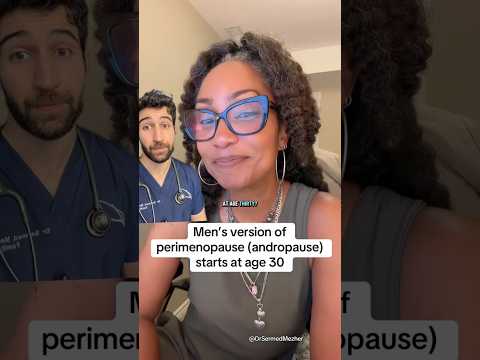
One of the challenges in understanding male aging is that many changes commonly blamed on testosterone are also influenced by sleep quality, stress, physical activity, chronic disease, medication use, and overall health. It turns out that being sixty is complicated.
Men are also more likely to encounter prostate-related issues as they age. Prostate enlargement becomes increasingly common and may affect urinary function and comfort. Prostate cancer is also one of the most common cancers affecting older men.
The Longevity Gap
One of the most consistent findings in aging research is that women tend to live longer than men.
This pattern appears in most countries around the world and has persisted for generations. Researchers continue to debate the reasons. Some explanations focus on genetics and hormones. Others point to risk-taking behaviors, occupational hazards, smoking, alcohol use, and men's tendency to treat healthcare as a last resort.
The answer is probably all of the above.
However, living longer is not quite the victory it first appears to be.
Women tend to live longer, but they also spend more years managing chronic illness, arthritis, mobility limitations, caregiving responsibilities, widowhood, and disability. Congratulations. You won the longevity contest. Here is your arthritis.
Life expectancy and quality of life are related, but they are not the same thing.
The Caregiving Paradox
If there is one place where gender differences become impossible to ignore, it is caregiving.
Women are far more likely to provide care throughout their lives. They care for children, parents, spouses, relatives, friends, and neighbors. They coordinate appointments, manage medications, provide transportation, monitor health changes, and often become the unofficial care managers of entire families.
At the same time, women are also more likely to become care recipients later in life because they tend to live longer.
Men often experience a different challenge. Many older men rely heavily on their spouses for emotional support, social connection, and healthcare management. When a spouse dies, some men suddenly find themselves navigating tasks and responsibilities they have never managed independently.
Researchers consistently find that women maintain broader social networks across the lifespan. Men often have smaller support systems outside of marriage. As a result, widowhood can create different challenges for each gender.
Aging in a Culture Obsessed with Youth
Modern society spends billions of dollars each year trying to convince people that aging is a problem.
Gray hair is apparently a crisis.
Wrinkles are treated like a medical emergency.
Entire industries exist to convince us that looking sixty at sixty is somehow a failure.
As a gerontologist, I find this both amusing and exhausting.
One of the great surprises of aging is that many of the things society teaches us to fear turn out to matter far less than we imagined. One day you wake up and discover that your knees make sounds that would concern a mechanic, your reading glasses have multiplied throughout the house, and a teenager has called you "ma'am."
Strangely, life goes on.
The things that often matter most turn out to be the things we worried about least when we were younger: maintaining our health, preserving meaningful relationships, staying connected to our communities, having a sense of purpose, and remaining able to participate in the activities that give life meaning.
While men and women may experience some biological changes differently, the larger lesson is that aging is never purely biological. Culture, relationships, expectations, opportunities, and social roles all shape how aging unfolds.
Understanding those influences helps us move beyond stereotypes and appreciate the remarkable diversity of human aging.
The Immune System: Why Recovery Takes Longer
If the last few years taught us anything, it is that the immune system matters.
Before COVID-19, many people rarely thought about immune function unless they caught a cold or received a flu shot. Suddenly, terms like antibodies, vaccines, immunity, and infection rates became part of everyday conversation. While the pandemic affected people of all ages, it also highlighted an important reality: older adults often experience infectious diseases differently than younger adults.
One reason involves changes in the immune system itself.
Like every other system in the body, the immune system ages.
Immunosenescence: The Aging Immune System
Researchers use the term immunosenescence to describe the gradual changes that occur in the immune system with age.
This does not mean the immune system stops working. If that were true, none of us would survive very long. Instead, the immune response becomes somewhat slower, less efficient, and less adaptable.
Think of it this way. A young immune system is like a highly staffed emergency response center. It can rapidly identify new threats, mobilize resources, and launch a response. An older immune system still has experienced personnel, but communication may be slower, responses may be less coordinated, and new threats may take longer to recognize.
As a result, older adults may take longer to recover from infections, respond less vigorously to new illnesses, and experience more severe complications when they become sick.
Why Infections Become More Serious
Most younger adults recover from common illnesses with relatively few complications. Older adults often face a different reality.
An infection that causes mild symptoms in a younger person may lead to hospitalization in an older adult. Recovery may take weeks instead of days. Energy levels may remain low long after the infection itself has resolved.
Part of the reason involves the immune system. Part involves the fact that older adults are more likely to have chronic conditions such as heart disease, diabetes, lung disease, or kidney disease that make recovery more difficult.
This interaction between aging and chronic disease helps explain why healthcare providers often take infections more seriously in older adults.
Vaccines and Healthy Aging
One of the greatest public health successes of the past century has been the development of vaccines.
Because the aging immune system may not respond as vigorously to infection, prevention becomes especially important in later life. Vaccinations help reduce the risk of severe illness from diseases such as influenza, pneumonia, shingles, COVID-19, and other infectious conditions.
Many students are surprised to learn that shingles is caused by the same virus responsible for chickenpox. After remaining dormant in the body for decades, the virus can reactivate later in life when immune function changes. The result can be an extremely painful condition that affects millions of older adults each year.
Vaccines cannot eliminate every risk, but they can significantly reduce the likelihood of severe illness, hospitalization, disability, and death.
Inflammation: When the Immune System Won't Calm Down
The aging immune system faces another challenge.
While some parts of the immune response become less effective, other parts may become overactive. Researchers have identified a phenomenon known as chronic low-grade inflammation, sometimes nicknamed inflammaging.
Inflammation is not always a bad thing. It is one of the body's primary defense mechanisms. When you cut your finger, develop an infection, or injure a muscle, inflammation helps initiate healing.
Problems arise when low levels of inflammation persist for years.
Researchers have linked chronic inflammation to a variety of age-related conditions, including cardiovascular disease, Type 2 diabetes, arthritis, frailty, and some forms of cognitive decline. Scientists continue to investigate exactly how these relationships work, but the evidence suggests that inflammation may play an important role in the aging process itself.
Supporting Immune Health
Students often ask whether there is a supplement, vitamin, superfood, or miracle product that can "boost" the immune system.
Unfortunately, the answer is usually less exciting than the advertisements suggest.
The strongest evidence continues to support the same recommendations we encounter repeatedly throughout gerontology research:
-
Regular physical activity
-
Adequate sleep
-
Good nutrition
-
Stress management
-
Social connection
-
Vaccination
-
Avoiding tobacco use
I realize this is deeply disappointing. Researchers spend billions of dollars studying aging only to keep telling us to exercise, eat vegetables, sleep more, and spend time with people we like.
Yet those recommendations continue appearing because they work.
Why This Matters
The aging immune system provides another reminder that aging is not simply a process of decline.
Older adults are not fragile. Most remain remarkably resilient. At the same time, the body's ability to respond to infection, recover from illness, and regulate inflammation changes over time.
Understanding these changes helps explain why prevention, public health, vaccination, and healthy lifestyle choices remain important throughout the lifespan.
It also reminds us that aging is not confined to one organ or one system. Every part of the body is connected, and changes in one system often influence many others.
The immune system is no exception.
Throughout this module, we've explored aging from the cellular level to the level of body systems and chronic disease. We have seen that aging affects every part of the body, but we have also seen that aging is not the same thing as illness. Some changes are part of primary aging. Others reflect disease, lifestyle, environment, or opportunity. Most often, the experience of aging emerges from the interaction of all of these forces.