1.3 Where Do Our Ideas About Aging Come From?
Myths of Aging
There are many myths and stereotypes about aging. Some are obviously negative: older adults may be portrayed as frail, confused, dependent, unattractive, lonely, or incapable of change. Others appear positive, such as the assumption that all older people are wise, kind, patient, or deserving. Even positive stereotypes can be limiting because they replace an individual with an expectation based on age. [21,27]
We also encounter images of exceptional aging: the 95-year-old marathon runner, the centenarian skydiver, or the older adult celebrated primarily because they are doing something we associate with youth. These stories can challenge negative expectations, but they can also create another distorted picture if exceptional performance becomes the standard against which ordinary aging is judged.[23,45]
Stereotypes work in both directions because they flatten enormous individual variation. Gerontology asks us to replace assumptions about what people of a particular age should be like with better questions about who they actually are. [23,45]
Myth #1 - Old Age begins at 65
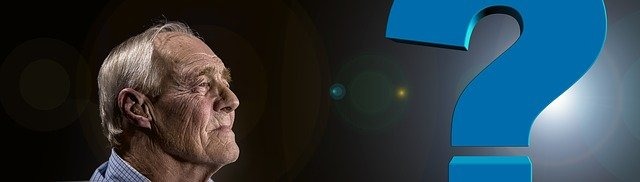
Think back to elementary school. Was your kindergarten teacher “old?” When I ask students this question, most indicate that their kindergarten teacher was ancient, when in reality that teacher was probably in the mid-20 age range. Perception of “old” is relative to where we are in the life course. [23,45] As a 60-year-old woman, I am genuinely surprised when my son's friends call me “older.” I don't identify as an older person. In fact, I'm not entirely sure how to respond when people tell me I look great...." for my age." What exactly does THAT mean? To me, an 80-year-old person is an “old” person.
In discussing humans, the most commonly accepted age at which the term "old "applies is the age of 65 years. Why? There is no scientific reason. We do not go to bed at age 64 years and 364 days old and then suddenly wake up the next morning biologically different.
Why 65? There is no biological reason. Age 65 became an important administrative and policy threshold during the twentieth century, particularly through retirement and social-insurance systems. But policy thresholds are not biological boundaries. Different programs use different ages for eligibility, and none marks a moment when a person suddenly becomes biologically “old.”[48]
The age of 65 in contemporary American society means something very different from what it meant more than 100 years ago. Improvements in survival and longevity mean that reaching age 65 is now a common part of the life course rather than an exceptional achievement. More than 80% of Americans can be expected to survive to age 65 under current mortality conditions. [48]
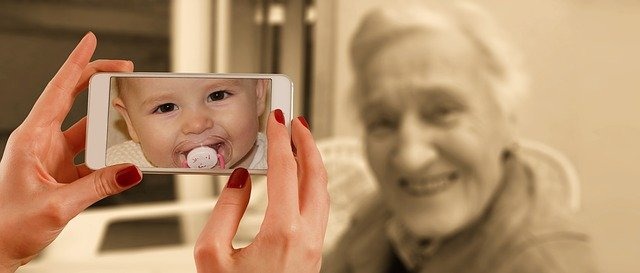
Myth #2: America has always been a youth-focused culture.
In the early years of our nation's history, the elderly were exalted and given superior status. In Colonial America, the aged were honored in all social rituals because, according to the Puritan doctrine that was profoundly influential at the time, living to a great age was a sign of God's special favor. Spiritual worth and longevity were used as a scale to measure one's closeness to God. Remember, not many lived into old age, so to do so meant one must have special protection or powers.
The elderly were thought to possess highly developed moral faculties. People assumed they had divine wisdom about the secrets of health, happiness, spiritual perfection, and long life.[33,39,43,47]
Before industrialization, most businesses were family-owned and run; being the head meant social control. It was not unusual for children to be grown with families of their own before any part of their parents' or grandparents' property was turned over to them. Young people of that time associated aging with gaining the so-called good things in life. In this society, each year of life promised more, not fewer, rewards.
Old age was so highly valued that people actually tried to appear older than they were. Fashions were designed to mimic the older body. For example, men would hide their hair beneath wigs or powder it white, as if with age.
Clothing was cut to emphasize the postures and physiques of the elderly: hips and waistcoats were broadened, and shoulders were made to appear narrow and rounded to mimic the posture of the elderly. People tended to exaggerate their age when census takers questioned them.[33,39,43,47]
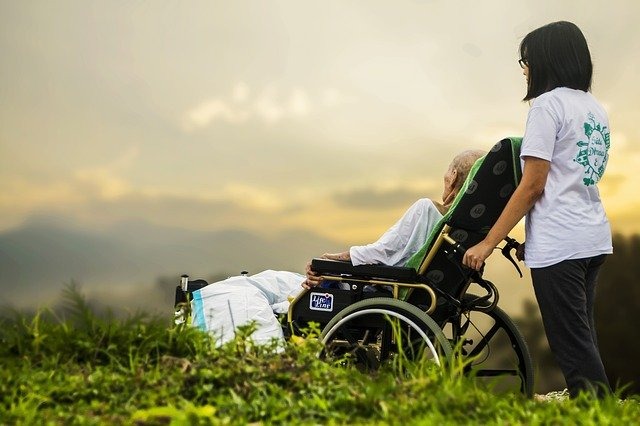
Myth #3 Old age is a disease.
Although vulnerability to many diseases increases with age, aging itself is not a disease. People vary enormously in health and functioning throughout later life, and age-related change should not automatically be interpreted as pathology.[23]
Although we are led to believe that the elderly are mostly frail and disabled, our nation is populated by healthy and vibrant elderly individuals who are actively living out their lives. Many run marathons, dance, swim, or get involved in senior Olympiads. Many studies indicate that with proper diet and exercise, the body can stay resilient, and beautiful. [23]
Myth #4: All old people end up in nursing homes
Most older adults live in community settings rather than nursing homes, although the likelihood of needing residential long-term care increases with advanced age. [12]
Myth #5: Old age brings feeble-mindedness
This belief came about because American psychologist George Beard reported controversial findings on how aging affects mental faculties. Studying the age at which great creative works were accomplished, he concluded that as people grew old, their mental faculties deteriorated considerably.
This misnomer is further strengthened by the fear that senility looms in everyone's future. The word senility has the same origin as the word senate. They are both Latin and mean old. The root of the word connoted wisdom and experience, but in more recent years, it has come to be associated with age-related decline.
Senility is an outdated, non-medical term previously used to describe mental and physical decline, memory loss, and confusion associated with advanced age. It refers to a host of disorders such as confusion, forgetfulness, dizziness or lack of self-care. In reality, the term has no medical legitimacy because there are many different conditions that can lead to such symptoms, as well as a few serious diseases that do produce mental deterioration. [23]
Normal cognitive aging is not the same thing as dementia. Many cognitive abilities remain stable well into later life, and there is substantial variation among individuals. [23]
Michelangelo, sculptor, painter, architect, and poet of the Italian Renaissance, was aged 71 when he was appointed the chief architect in St. Peter's Cathedral in Rome. Humboldt's work and his great contributions to science, the KOSMOS, occurred from ages 76 to 90!
The notion that most poets (and other creative people) dry up at 50 is quickly refuted by a glance at the relatively recent past. William Butler Yeats published Last Poems and Two Plays at age 73, in the year he died. Playwright George Bernard Shaw won the Nobel Prize for Literature in 1925 at age 69 and was working on a new play when he died at 94. Poet Maya Angelou, born in 1928, was writing well into old age.
Myth #6: All old people are similar to each other.
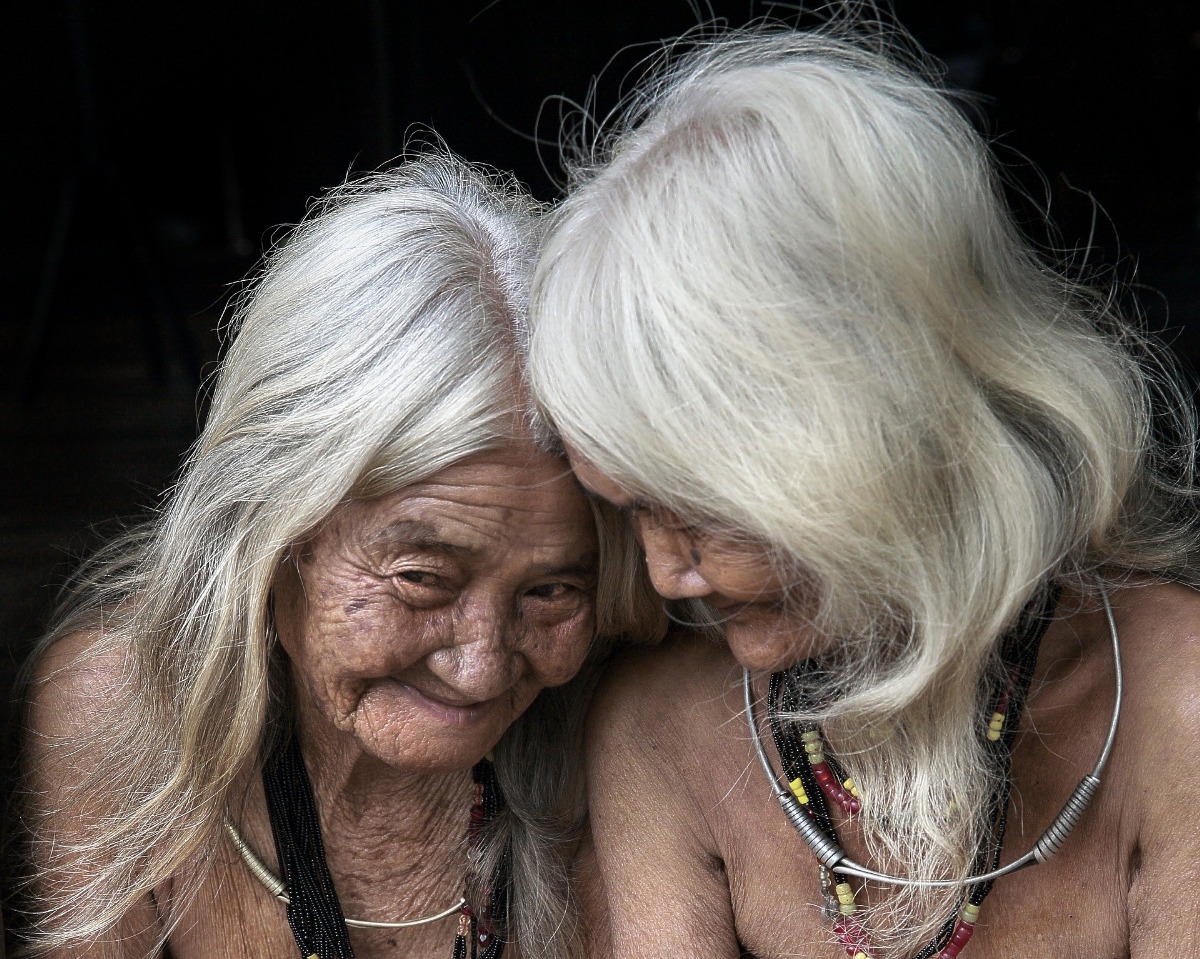
Stereotyping older adults into one category can actually make people uncomfortable about growing older. It suggests that the diversity and individualism we all cherish so much must come to an end. Diversity among America's elderly is great. Some older people are terribly sick and waiting to die; others are vigorous and are training to run marathons.[12]
Some are very poor and depend entirely on government support for food and shelter; others have vast fortunes and assets and travel the world first-class. Some serve on boards of directors of large multinational businesses, while others wait in breadlines for a warm meal.
Although some elderly have rigid and conservative lifestyles, others are extremely radical and live freer and more experimental lives. Some feel finished with work and enjoy retirement; others love working and hope to continue at their jobs.
Gerontologists sometimes divide later adulthood into categories such as the young-old, middle-old, and oldest-old to remind us that later life can span several decades. The exact age boundaries vary across researchers and contexts. The important point is not the label—it is that a 66-year-old and a 96-year-old may differ as dramatically in health, roles, resources, and life experience as people separated by several decades at any other point in adulthood. [12]
Myth #7: All Old People Are Powerless
The stereotype of older adults as powerless, dependent, or pushed to the margins of society does not match the reality of aging in the United States today. In 2026, older Americans represent a large and highly engaged segment of the population, with substantial political, economic, and social influence.
The Baby Boom generation, born between 1946 and 1964, is now approximately 62 to 80 years old. Rather than anticipating what might happen when the Boomers grow older, we are living through that demographic shift now. Older adults are voters, taxpayers, workers, homeowners, consumers, caregivers, volunteers, donors, community leaders, and advocates. Their influence is strengthened not simply by their numbers, but by their participation.
Voting provides one of the clearest examples. Older adults consistently participate in elections at higher rates than younger adults. In a 2025 Pew Research Center survey, 77% of adults age 65 and older reported voting in the 2024 presidential election, compared with 45% of adults under age 30. Older adults were also more likely to follow national news and to make charitable and political donations. Pew's analysis of validated voters also found that adults age 50 and older made up 56% of voters in the 2024 presidential election.
This does not mean that older Americans constitute a single political bloc. Older adults differ by race, ethnicity, gender, socioeconomic status, geographic location, religion, education, and political beliefs, just as younger populations do. Their power comes not from voting alike, but from being a large population that votes and participates at high rates. In fact, Pew found that 63% of adults age 65 and older who were eligible to vote in the 2020, 2022, and 2024 national elections voted in all three.
How Did Older Americans Gain This Influence?
The power held by older adults today did not simply appear as the population aged. It reflects decades of advocacy, legislation, institution-building, and participation in public life. Important milestones include:

- The first National Conference on Aging (1950) and the first White House Conference on Aging (1961) helped place aging issues on the national policy agenda.
- Medicare, Medicaid, and the Older Americans Act (1965) created major federal structures addressing health care, community services, nutrition, transportation, and other needs of older adults. The Older Americans Act continues to support a nationwide aging-services network and now serves more than 14 million people annually.
- The Age Discrimination in Employment Act of 1967 (ADEA) established federal protections against age discrimination in employment. Today, the ADEA generally protects workers age 40 and older, and amendments enacted in 1986 removed the previous upper age limit from most employment protections.
- Supplemental Security Income (SSI) was established through the Social Security Amendments of 1972 to provide income support for eligible older adults and people who are blind or disabled with limited income and resources.
- Automatic cost-of-living adjustments (COLAs) were added to Social Security in 1972 and began in 1975, helping benefits respond to inflation rather than requiring Congress to enact individual benefit increases each time prices rose.
- Over time, federal law also sharply restricted mandatory retirement based solely on age, extending the ability of many older adults to remain in the workforce.
These accomplishments illustrate an important principle: power in later life is not simply something given to older people. Much of it was organized, demanded, negotiated, and protected through decades of civic participation.
The growth of gerontology, geriatrics, aging services, caregiver support, age-friendly communities, elder-rights programs, and long-term services and supports also reflects the increasing importance of aging within American society. The Older Americans Act alone now supports a national network of state agencies, tribal organizations, more than 600 Area Agencies on Aging, and thousands of local service providers. At the same time, important gaps remain. For example, the United States continues to face a shortage of health professionals trained specifically in geriatrics.
Older adults certainly can experience powerlessness. Poverty, disability, discrimination, social isolation, inadequate housing, lack of transportation, cognitive impairment, and unequal access to health care can sharply limit an individual's choices. Ageism itself remains a source of disadvantage. But vulnerability is not the same thing as powerlessness, and neither should be treated as an inevitable consequence of old age.
Perhaps the more accurate question for the 21st century is not whether older Americans have power, but how that power is distributed, whose voices within the older population are heard, and how a rapidly aging society will balance the needs and interests of people across generations.
Myth #8: Tomorrow’s Older Adults Will Be Very Similar to Today's

Consider education. Educational attainment among Americans has changed substantially across generations. In 2024, younger and middle-aged adults were more likely than adults age 55 and older to hold a bachelor's degree or higher. As these cohorts move into later life, the educational profile of the older population will change with them. [49]
Technology provides another obvious example. Today's younger generations have spent much more of their lives with computers, smartphones, the Internet, social media, and other digital technologies than today's oldest adults did. When they reach later life, they will bring that experience with them. This does not mean that future older adults will all be technologically skilled—or that digital inequalities will disappear—but the starting point will be different.
The same principle applies to work, family life, health, gender roles, education, cultural diversity, and social expectations. Someone who turns 75 in 2050 will have experienced a very different world than someone who turned 75 in 2000. These differences are known as cohort effects: people who are born during different historical periods are shaped by different social conditions and experiences.
Longevity has changed as well. In 2024, U.S. life expectancy at birth reached 79.0 years, and a person who had already reached age 65 could expect to live, on average, another 19.7 years. [8] Longer lives mean that later adulthood itself encompasses an increasingly broad range of ages, experiences, abilities, and needs.
None of this means that every generation will necessarily be healthier, wealthier, happier, or better off than the generation before it. Social change does not move in a straight line. Some conditions improve while new challenges emerge, and the benefits of change are not distributed equally.
What we can predict is change. The older population of the future will differ from today's older population in its education, diversity, life experiences, technological history, family patterns, and expectations about later life. The U.S. Census Bureau has long projected substantial changes not only in the size of the older population but also in its demographic composition. [10]
As America ages, our images and expectations of what it means to be "old" will have to change along with it.
Myth #9: All Older People are Wise

Stereotypes—positive or negative—oversimplify later life. They can influence how we think about older adults, how older adults think about themselves, and how people are treated. The World Health Organization defines ageism as stereotypes, prejudice, and discrimination based on age and identifies ageism as an important influence on health, well-being, and participation. [21,27,50]
How Do We Challenge These Myths?
- Pay attention to language and images. The words and images we use to describe aging help shape how aging is understood. Avoid language that automatically portrays older adults as frail, dependent, helpless—or exceptionally wise simply because they are old. Use accurate information to challenge myths when you encounter them
- Show the diversity of later life. Highlight older adults with different abilities, occupations, interests, cultures, living arrangements, and life experiences. Older adults are no more alike than members of any other age group.
- Include examples of people making contributions throughout later life. People continue to work, volunteer, create, learn, provide care, participate in their communities, and pursue new interests across the life course.
- Teach accurate information about normal aging. For example, cognitive aging does not mean that people simply become less intelligent as they grow older. Different cognitive abilities follow different patterns across adulthood, and there is substantial variation among individuals.
- Challenge our own assumptions about aging. Ageism can operate through our attitudes toward other people as well as through beliefs about our own aging. Recognizing those assumptions gives us an opportunity to question them rather than treating them as facts.
- Increase education about aging. People who work with older adults need an accurate understanding of the aging process and the diversity of the older population. Research indicates that educational interventions can reduce ageist attitudes, especially when combined with meaningful intergenerational contact.
Ultimately, challenging ageism requires more than replacing negative stereotypes with positive ones. It means recognizing older adults as individuals rather than assuming that chronological age tells us who someone is, what they can do, or what they need.
Here are my truths.
- Despite what the media would tell us, all older people are NOT poor, lonely, isolated, wrinkled, frail, grouchy or starved for attention.
- They do NOT fall all the time.
- They do NOT depend on their children. Some are. Some do. But. NOT. ALL.
Most older people in the United States, in fact 95% of them, live independently. In fact, among the population over age 65, only 5% live in nursing or care facilities. (Disclaimer: That number does go up significantly after age 85.) - Most older adults consider their health to be excellent, and they enjoy good and healthy sex lives.
- Most older adults do NOT have memory problems and are NOT neglected by their families.
- Many older adults are the best and most reliable members of the workforce, and are responsible for starting more new businesses than younger people.
Technology, that cool stuff you keep in your pocket, was created BY the generation you are now considering “old.”
So, what are your truths?
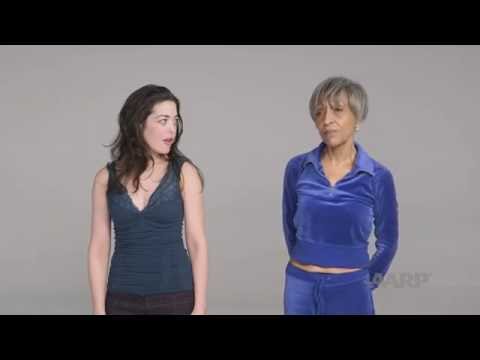
Exploring the embedded "-isms" around age
If you were told that you were smart….for your age. Would you be complimented? What if you were told you were smart…for a woman/man. That wouldn’t feel so great, would it. So, WHY do we feel no hesitation to add that “for your age,” tag?
Conclusion: Beyond the Myths
By now, you may have noticed a pattern. Many of the assumptions people hold about aging are not supported by evidence. Older adulthood does not begin on a specific birthday. Most older adults do not live in nursing homes. Aging is not a disease. Older adults are not all alike, nor are they uniformly frail, dependent, wise, or powerless.
Yet these beliefs remain remarkably persistent.
Why?
Part of the answer is that myths do not emerge from nowhere. They are reinforced through the stories we tell, the images we see, the language we use, and the expectations we absorb throughout our lives. Over time, these assumptions can become so familiar that they feel like common sense, even when the evidence suggests otherwise.
One of the goals of gerontology is learning to distinguish between assumption and evidence. The more closely we examine aging, the more likely we are to discover that reality is often more complicated, more diverse, and far more interesting than the stereotypes suggest.
In the next lecture, we will explore how stereotypes about aging develop, why they persist, and how ageism influences the way individuals, institutions, and even entire societies think about growing older.
Because if many of the myths about aging are wrong, an important question remains:
Where did they come from in the first place?