When Aging in Place is No Longer an Option
We've talked about "who" is aging. Let's take a moment to talk about "where" we are aging.

Most of us will "age in place." This means that we will make adaptations to our private home, and live our lives in that home. If we move, it may be to down-size or relocate, but we won't choose to live in a long-term care setting until it becomes medically necessary.
SeniorLiving.com created a wonderful graphic representation of what options exist for older adults in the United States. It's a pretty impressive graphic, right? It's almost overwhelming to see the scope of possibilities. We have independent living, with total freedom to live exactly as you are right now. Then, we can layer in options like in-home assistance and utilizing services like adult day social programs or personal home care as our needs increase. We can choose to be in a retirement community or a senior apartment. If we need additional care, we can move into independent living, assisted living, and even communities specializing in dementia care. Continuing care retirement communities combine levels of housing and increasing levels of care including the most intensive levels of care provided by skilled nursing.
In all the terminology, though, what we sometimes can lose touch with is that where we live MATTERS. It's not just about the levels of care (which are important), but about how the place we live can impact our life satisfaction. Simple enough, right? Nope. The nature of "institutional care" can sometimes sanitize the human touch right out of the building.
We've done a pretty good job of exploring the types of options available to keep older adults living in their own homes and "aging in place." What are some other options? Let's explore:
Independent Living
Independent Living facilities cater to the very independent senior adult who, generally, has few medical problems. Most Independent Living facilities have fully equipped studio, one and two bedroom apartments. Amenities that one can often find provided are: fine dining experience, a multitude of activities and onsite transportation. Senior adults often find this option appealing due to Independent Living offering them the ability to continue to live independently without the upkeep of their home and, as in the case of Arrowood Independent Living at Southwestern, there is no large buy-in cost. Most individuals pay privately while residing in Independent Living.
Here's a 2 minute video by Senior Lifestyles that does a pretty great job of explaining the Independent Living concept.

Assisted Care
Assisted Care facilities are suited for the senior adult who no longer wants to live on their own and requires some basic level of assistance on a daily basis. Assistance is offered in the following areas (where needed): medication management, bathing, toileting, dressing, meals and housekeeping are routinely provided. Depending on the facility, residents reside in studio, one or two bedroom apartments. Some facilities offer Alzheimer's and/or Dementia care (please ask about this at the respective facility you are inquiring about). For safety purposes, Assisted Care facilities are staffed 24 hours a day and provide licensed nursing services. A variety of activities and scheduled transportation are offered at most assisted care communities. Most individuals private pay although some facilities accept VA benefits.
Skilled Nursing/Rehabilitative Care
Skilled Nursing/Rehabilitative Facilities offer 24 hour a day services for adults who may be frail or require a high level of medical attention. Nursing services are provided by certified and licensed nursing professionals, Services, including physical, occupational and speech therapy, along with medical care services, both basic and clinically complex, are provided to those in need of short term rehabilitation (usually as a result of injury, illness or surgery) in addition to providing those services to the individual in need of long-term nursing care services. Generally, an individual will share a room, although some facilities do have limited private rooms. A variety of activities are available for the individual to choose from and meals are provided on site, either in a central dining area or in the individual's room. Again, some facilities offer Alzheimer's and/or Dementia care (please ask about this at the facility you are inquiring about). Depending on one's respective coverage, care at a Skilled Nursing/Rehabilitative facility can be covered b: Medicare, Medicaid, Insurance and Private Pay.
We will talk more about different kinds of senior care. It's important that we keep in mind that despite the horror stories that fill the media, there are some wonderful examples of how nursing care can be done right!
Universal Design (A Place for Everyone)
In 1964, when Medicaid was created, unlicensed, unregulated and unsupervised facilities for frail seniors were rampant and quality of care in these facilities was often questionable, if not blatantly poor. Medicaid created an entitlement program that licensed nursing facilities and provided a level of reimbursement for those with limited financial resources.
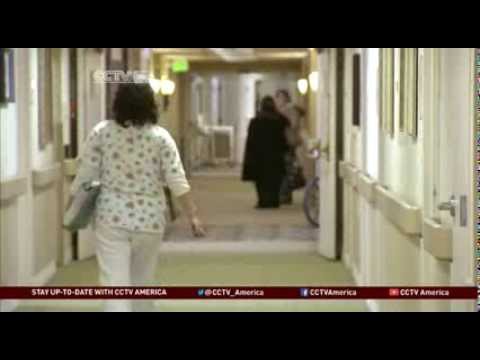
The physical structure and the regulatory structure of the nursing home mirrored the hospital with nursing stations, double-loaded corridors, pre-plated meals served on trays, overhead paging, medication carts and a model that was designed for “efficient” delivery of health care services. That initial focus on health care and the quality of that care helped to bring some structure and quality to what had been an unlicensed and unregulated environment.
We call them nursing "homes,' but they resemble nothing of what I would define as a "home."
In an acknowledgment that a "hospital-like" environment is about the last place an older person wants to be, many providers and regulators throughout the country have implemented environmental modifications that allow nursing homes to create more residential environments,
There are a number of changes to national and state codes that acknowledge the movement from the nursing home as a large institutional environment to the creation of smaller households within the nursing home.