Nutrition
Good nutrition is important, no matter what your age. It gives you energy and can help you control your weight. It may also help prevent some diseases, such as osteoporosis, high blood pressure, heart disease, type 2 diabetes, and certain cancers.
Older adults generally have lower calorie needs, but similar or even increased nutrient needs compared to younger adults. This is often due to less physical activity, changes in metabolism, or age-related loss of bone and muscle mass.
Remember, your sense of smell and taste change as you age. Between the ages of 40 and 50, the number of taste buds decreases, and the rest begin to shrink, losing mass vital to their operation. After age 60, you may begin to lose the ability to distinguish the taste of sweet, salty, sour, and bitter foods.
For many, losing the senses of taste and smell means diminished appetites. The aroma of a delicious meal is what causes you to long for a taste. If food suddenly does not smell or taste as it once did, you may not eat as much as you should. You may lose interest in fruits, vegetables and other dishes that provide the nourishment critical to maintaining good health. Because saliva production also diminishes with age, you may also experience dry mouth and have difficulty swallowing. Having dental problems, like dentures not fitting correctly, can make chewing painful. Elders who are frail or unable to cook may resort to opening a can of soup or a frozen dinner. Chronic conditions requiring multiple medications can alter the perception of taste, or interfere with digestion and absorption of nutrients. If you are elderly, this can sometimes mean that eating becomes more of a chore than an enjoyment, again possibly leading to malnourishment. One final factor that is often not discussed is the impact of financial insecurity. If we cannot afford quality food, our health directly suffers.
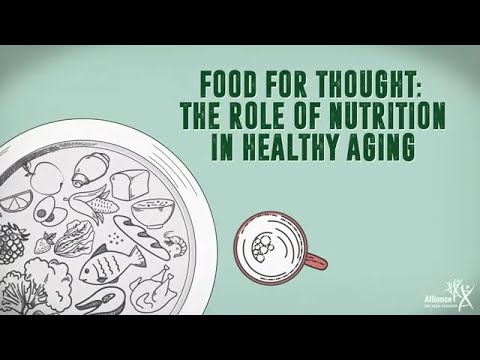
The Food Pyramid
Do you remember the food pyramid? How about serving guidelines of 5 servings of vegetables and 6 servings of grain? It's just not that simple for older adults (or any of us, for that matter.) The USDA has developed a program called "MyPlate," which offers an app to design a healthy meal strategy based on age, height, weight, gender, and level of physical activity.

Food Planning and Good Nutrition for Older Adults
Good nutrition for any age includes: Lean protein (lean meats, seafood, eggs, beans) Fruits and vegetables (think orange, red, green, and purple) Whole grains (brown rice, whole wheat pasta) Low-fat dairy (milk and its alternatives). But what how can we balance dietary and nutritional need with physical and psychological effects of frailty. There are a few hints and tips we can keep in mind when managing the nutrition of a frail older adult:
Make Meals and Snacks Nutrient-dense
This means making nutrient-rich foods the focus of the meal. For example, instead of plain chicken broth, try a hearty chicken and vegetable soup. Casseroles, stews, and roasts are also good meal ideas.
Use Herbs and Spices When Preparing Food
Because many elders have a diminished sense of taste and smell, making food as flavorful as possible is important. Try cooking with garlic and onion powder, salt-free seasoning blends, and fresh and dried herbs, such as basil, oregano, thyme, rosemary, and cilantro.
Make Meals Colorful and Appealing
Instead of regular mashed potatoes, try mashed sweet potatoes for a colorful and nutritious boost. Instead of plain buttered noodles, try pasta with a vibrant red tomato sauce
Serve Several Small Meals and Snacks
Older people with diminished appetites are often overwhelmed by large meals, so eating smaller, more frequent meals and snacks can be less overwhelming.
Do Not Fill Up on Non-nutritious Items
For people with a small appetite, it is important not to fill up on things like coffee, tea, and soft drinks, which can take the place of more nutritious items.
Add Extra Calories Without Extra Volume
For people who have a small appetite, there are ways to boost nutrition without adding lots of extra food. For example:
- Add extra sauces, gravies, and grated cheese to entrees and side dishes.
- Stir powdered skim milk into milk, milkshakes, and cold and hot cereals.
- Add honey, molasses, or maple syrup to hot cereal.
- Sprinkle wheat germ into hot and cold cereals, and add it to baked goods, such as breads and muffins.
Serve up a variety of foods.
Research shows that elderly adults eat more when presented with a variety of foods to choose from. Here are some strategies to increase the variety on the table:
- Strive to include foods from every food group and of all different colors.
- Invite friends over for a pot luck dinner.
- Go out for a buffet-style Sunday brunch.
Take Advantage of Services That Are Available
Many communities offer a wide range of nutrition services for older adults, including community dining sites, home-delivered meals, and home visits with registered dietitians. Research shows that meal services, such as Meals on Wheels, can improve or help maintain nutritional status in seniors. Contact your local town or city hall, department of health, or community hospital to find out what services are available in your area.
Use Nutrition Supplements When Necessary
While a well-balanced diet is the best bet, some people may find it easier to sip a nutrition supplement drink than to eat a meal. But, talk to your doctor or dietitian to see if this is something that you should do.
Nutrition and the Frail Older Adult
We know that good nutrition is key to the wellbeing of the older adults for whom we provide care. Please take a moment to watch this video segment developed by the Family Caregiver Alliance. It is part of the Caregiver Training Series that you will see throughout the class.
Read these articles for more information on nutrition for older adults:
Nutrition as we Age: Healthy Eating with Dietary Guidelines (health.gov)
Nutrition for Older Adults (Medline)
Nutrition for Seniors: Tips for Caregivers (WebMd)