Medical Problems Common to the Frail Older Adult
The frail elderly can experience diseases ranging from relatively minor problems like flu, to serious illnesses. They may not be able to tell you they are in pain (even if they are able to speak well_, or they may neglect their bodies. Cuts, bruises and even broken bones can go unnoticed. People who sit or lie for long periods of time may develop pressure sores. Their physical health may gradually decline. Correcting even minor physical problems can help.
Let's look at some of the more common medical challenges facing the frail elderly, and explore best practices in managing the conditions.
Pain
Several issues contribute to challenges in recognizing and evaluating pain accurately in frail elders, including misconceptions related to pain perception, multiple chronic conditions, cognitive and mental health impairment, sensory impairment, and sociocultural influences. A common misconception is that pain sensitivity or perception decreases with aging and/or changes in cognition; however, two paradoxes may occur:
- Some older adults, including those with dementia, have a higher pain threshold and higher pain tolerance that contributes to a slower response to pain and a perception of lower pain intensity. These changes may make older adults more vulnerable for unrecognized pain and loss of pain as a warning sign.
- In some racial and ethnic groups (e.g., African Americans), pain sensitivity increases with age due to low pain threshold and tolerance levels resulting in a faster recognition of pain and a perception of higher pain intensity. Such differences make these older adults more vulnerable for experiencing severe pain, and pain-related disparities.
Older adults average three or more chronic conditions, many of which are sources of pain, placing them at greater risk of experiencing increased pain severity. Sensory, cognitive and mental health impairments, such as dementia, depression, delirium and anxiety, may each and collectively intensify the pain experience and worsen frailty. Be aware that cognitive and mental health disorders alter the expected expression, description, and communication of pain. (NIH.Gov)
Falls and Injuries
Some frail elders, especially those with dementia, frequenly become clums, fall out of bed, bump into things or cut themselves. It is easy to overlook, becuase sometime the threshold for pain is so high that there is no complaint. Bruises can appear days after a bump, and no one will remember what happened.
Take a regular assessment by routinely checking for bruises and blisters that may be caused by accidents, falls or even uncomfortable clothing or bedding. Be sure to check the hidden areas like the bottom of feet, the hips and lower back, and inside the mouth. Changes in behavior may be the only hint. For example, refusal to eat may be an indication of an oral injury.
Pressure Sores
Also called "decubitus ulcers" are caused by constant pressure on a part of the body (usually a bony area like hips, heels, shoulder blades, knees and ankles) caused by sitting or laying down for long periods of time. They can also be caused by tight clothing, swelling or poor nutrition. Older adults are more prone to pressure sores because of the vulnerability of their skin.
Pressure sores can happen quickly, and cause painful lesions that are difficult to heal.
Watch for red spots on the skin that indicate irritation. Be sure to shift weight regularly, by getting up and walking whenever possible. When not possible, rolling to different positions can help, as may pillows or floatation cushions.
Dehydration
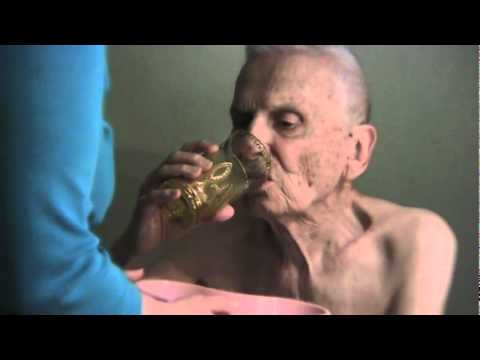
Dehydration is directly correlated to morbidity, particularly for the frail elderly. Common signs of dehydration include a dry mouth, tongue and lips. You may also notice that the elderly person has sunken eyes and dry, papery skin. They may seem to be unusually drowsy, confused or disoriented too.
The amount of fluid each person needs is actually quite individual and can vary with the seasons. Lower output (less urine) or concentration of urea (strong urine) are often good clues to determine fluid levels, but if you are uncertain whether the person is getting enough fluid, ask a medical professional.
Influenza and COVID-19
The seasonal "flu" or influenza kills upward of 60,000 people annually in the United States, many over age 70.
Immune systems decline as adults age. Older adults are at higher risk of serious flu and flu-related complications including pneumonia and hospitalization. But there are also other risks that may not be as obvious—flu increases the risk of heart attack by 3-5 times and stroke by 2-3 times in the first 2 weeks of infection for those 65+.

Read these articles for more:
For Older Adults, Preventing Flu is Key to Lessening Disability Risks
Flu in Elderly: Symptoms, Complications and more.
Long COVID and Older People (Lancet.com)
Constipation
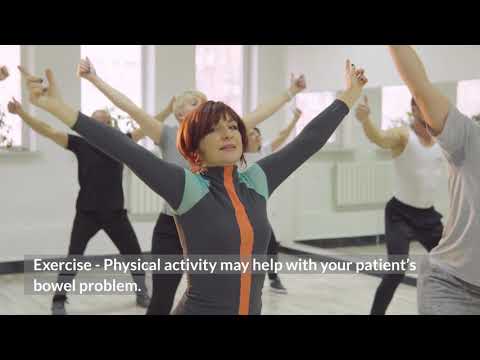
Constipation can be uncomfortable and worrisome. If you’re having fewer bowel movements than usual, taking a long time to pass stools, or the stools are hard, you may be constipated.
Consequences of constipation can be substantial. In susceptible older people who are frail, excessive straining can trigger a syncopal episode, or coronary or cerebral ischemia. Less acutely, constipation leading to fecal impaction can present with anorexia, nausea and pain associated with functional decline.
Read More: Concerned about Constipation (NIA)
Treatment of Constipation in Older Adults (JMAJ)
Medications
The statistics on medication usage among elderly patients in the US are eye-opening: more than one-third of prescriptions drugs used in the US are taken by elderly patients; the ambulatory elderly fill between 9-13 prescriptions a year (including new prescriptions and refills); the average elderly patient is taking more than five prescription medications; the average nursing home patient is taking seven medications.

As a caregiver for a frail older adult, you may be asked to assist with medication administration. Please do so cautiously and ONLY under the direct supervision of medical professionals. If you are not licensed to administer medications, you must not do so. You may help organize medications, set reminder timers, and facilitate medications. You MUST not administer them.
As a caregiver, it is essential that you be aware of any changes in behavior, side effects or "contraindications" of medications. Any medication can mix poorly with another medication, and if your caree is taking more than 3 different medications (prescription OR over the counter) it is advised to consult physicians and pharmacists to avoid the dangers of "polypharmacy." (See video)
Always have a complete list of all medications, dosages and administration times. This is helpful for physician visits, and especially if EMS needs to be called.
Especially in the case of dementia, never assume that the forgetful person can manage their own medications.
Dental Problems
Oral health directly affects overall health and quality of life. In fact, dental disease is a common cause of medical and emergency room visits, according to the American Dental Association. Medications and common chronic illnesses in older adults, such as diabetes or heart disease, put seniors at an increased risk for dental problems.
Inflammation caused by gum disease increases the risk of heart disease, according to the American Academy of Periodontology. Gum disease can also make certain heart conditions worse and may be associated with a higher risk of stroke.
People with poor blood sugar control are at higher risk for dental problems, such as inflammation and gum disease. This is because too much glucose (sugar) in saliva helps bacteria grow in the mouth. Gum disease also seems to affect blood sugar control in people with diabetes.
Older adults with poor dental hygiene, especially those who smoke, are at increased risk of bacterial pneumonia. This is because, as someone breathes, bacteria in the mouth can travel to the lungs. Maintaining good dental hygiene in elderly adults who can’t care for themselves may help lower the risk of this type of pneumonia.
Please watch this video on dental care. It is part of the The Family Caregiver Alliance series for Caregiver training.
Find out more by visiting the following: