Lecture: The Sandwich Generation
Millions of Americans juggle caregiving for two generations; new analysis shows the strain on their time and financial and mental health. A 2018 survey found that 19% of adults age 35 and older were providing support to an older family member, and 21% were supporting a child over age 18. An earlier study of middle-aged adults (ages 40 to 59) found that 15% were providing financial support to an aging parent (65 or older) while also raising a young child or financially supporting an adult child
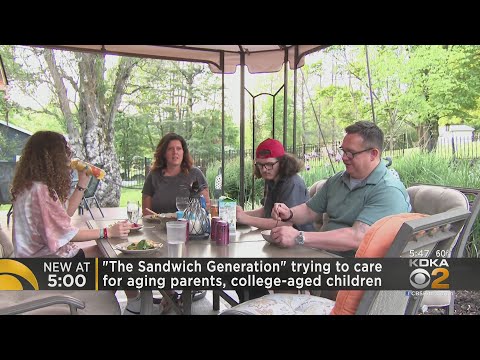
They're the "sandwich generation" – a longtime nickname for the mostly female, mostly middle-aged group of Americans who serve as caregivers for both older and younger family members at once.
A study estimates there are at least 2.5 million of them while giving a detailed view into who they are and which older adults rely on them.
The "sandwich generation" refers to a group of individuals, typically in their middle age, who find themselves sandwiched between the responsibility of caring for their aging parents or other older relatives and simultaneously supporting their children or dependents. This generation often faces significant psychological, social, and financial challenges and emotional burdens.
Psychological challenges
The sandwich generation may experience high levels of stress, anxiety, and emotional exhaustion due to the demands of balancing caregiving responsibilities for both their parents and children. They often face difficult decisions and juggle multiple roles, which can lead to feelings of overwhelm and feeling pulled in different directions. The constant need to prioritize and manage competing demands can take a toll on their mental well-being.
Social challenges
The sandwich generation may face social isolation and strained relationships as they struggle to meet the needs of both their parents and children. They may have less time and energy for socializing, hobbies, or personal pursuits, which can lead to feelings of loneliness and disconnection. Additionally, the demands of caregiving may limit their ability to engage in activities outside of their familial responsibilities, impacting their social network.
Financial challenges
Supporting both elderly parents and children financially can place a significant strain on the sandwich generation's financial resources. They may have to cover costs related to healthcare, assisted living, or home modifications for their parents while also providing for their children's education, extracurricular activities, and basic needs. This dual financial responsibility can lead to financial stress, depleting savings, and limited personal growth opportunities.
Emotional burdens
The sandwich generation often experiences emotional burdens as they witness the decline of their aging parents' health or cognitive abilities, which can be emotionally challenging and distressing. They may also feel guilt, resentment, or frustration when they cannot adequately meet all the needs of their parents or children. Balancing caregiving responsibilities with their own personal needs and aspirations can lead to a sense of sacrificing their own well-being and goals.
Overall, the sandwich generation faces complex challenges that can impact their mental health, relationships, financial stability, and overall quality of life. Individuals in this generation must seek support, establish boundaries, and practice self-care to navigate these challenges effectively. Accessing community resources, seeking professional advice, and building a strong support network can also be beneficial in managing the demands of being part of the sandwich generation.