Lecture: Older Adults At Risk
One of the more uncomfortable realities of aging is this: the older we get, the more likely t becomes that at some point we may need help.
Not everyone ages into frailty. Aging is wildly individual. Some people remain physically active and cognitively sharp well into very late life, while others encounter illness, disability, mobility changes, or cognitive decline much earlier. But eventually, many adults experience some form of increased dependence, whether temporary or permanent. A fall changes mobility. Vision declines. Hearing fades. Medications multiply. Driving becomes harder. Technology evolves faster than people can comfortably keep up with it. The body becomes less forgiving.
And psychologically, I think this is one of the hardest things American culture knows how to talk about honestly.
We are deeply attached to the mythology of independence. Handle your business. Don’t need too much. Stay productive. Stay competent. Stay sharp. Somewhere along the line, dependence became associated with failure instead of ordinary humanity.
But frailty changes the emotional landscape of adulthood.
Not just physically.
Psychologically.
When Vulnerability Starts Colliding
I get twitchy when people start talking about “the vulnerable elderly” as though everyone over a certain age suddenly becomes helpless and childlike. That’s not only inaccurate, it’s dehumanizing. Most older adults are navigating life the same way they always have, adapting, problem-solving, compensating, improvising.
At the same time, vulnerability is real, and it often emerges not from age alone, but from the complicated collision of dependence, isolation, illness, grief, cognitive change, financial strain, and lack of support.
Research does show patterns. Adults over age eighty who are socially isolated, economically insecure, physically frail, cognitively impaired, or dependent on others for activities of daily living may face increased risk for exploitation or abuse. Women living alone and below the federal poverty line are statistically at particularly high risk. Functional limitations involving mobility, hearing, vision, cognition, or self-care can increase vulnerability further.
But statistics only get us so far.
I think vulnerability often begins when dependence and isolation start showing up together.
Consider something simple for a moment. If you suddenly lost the ability to drive for six weeks, who would help you get groceries? Who would pick up medications? Who would notice if something was wrong? Who could you call without feeling guilty, embarrassed, or burdensome?
Now stretch that reality across years instead of weeks.
That changes the psychology of everyday life.
The Circle of Trust
Most elder abuse does not happen at the hands of strangers.
That surprises students sometimes because culturally we tend to imagine danger as external. But older adults most often rely on networks of family members, friends, neighbors, spouses, partners, and caregivers for support. Those relationships are supposed to provide safety, reassurance, transportation, meals, financial assistance, emotional support, and advocacy.
The problem is that dependence changes power dynamics.
Research estimates that elder abuse remains vastly underreported and that a large percentage of abuse occurs within existing circles of trust. That makes sense if you think about it. The people closest to someone often have the greatest access emotionally, physically, and financially.
Margaret is a good example.
Margaret is an aging widow who relies on her adult children for transportation and meals. She allows her daughter access to her bank account to reimburse expenses and help manage bills. Eventually Margaret notices money disappearing. When she confronts her daughter, she is slapped, told she is paranoid, and cut off from visits with the grandchildren until she “gets a grip.”
What makes this situation psychologically devastating is not just the financial exploitation. It’s the reality manipulation underneath it.
Imagine already feeling physically dependent, emotionally isolated, or uncertain, and then having someone you trust insist that your perceptions are wrong. Older adults experiencing stress, grief, medication interactions, cognitive changes, or loneliness may already feel uncertain about themselves. Abuse layered on top of that uncertainty becomes profoundly destabilizing.
After awhile, people may begin wondering:
“Maybe I’m mistaken.”
“Maybe I really am confused.”
“What happens if I speak up and lose the only support I have?”
That’s not weakness.
That’s fear colliding with dependence.
Caregiving, Exhaustion, and Human Limits
Now, this is where conversations about elder abuse get uncomfortable, because not all harmful situations emerge from the same place.
Some people are absolutely predatory. There are individuals who intentionally target vulnerability for money, control, manipulation, or violence. As technology becomes more sophisticated, scams targeting older adults have become increasingly elaborate and psychologically manipulative. AI voice scams, phishing attacks, fake charities, romance scams, fraudulent contractors, and identity theft disproportionately affect isolated older adults, particularly those unfamiliar with rapidly changing technology.
But some harmful situations emerge from something messier:
caregiver burnout,
addiction,
financial desperation,
untreated mental illness,
intergenerational resentment,
family trauma,
or plain emotional exhaustion.
And caregiving can absolutely become exhausting.
We romanticize caregiving in this country while providing remarkably little structural support for it. Families are smaller. Adult children often live far away. Healthcare systems are fragmented and overwhelming. Long-term care is staggeringly expensive. Many middle-aged adults are simultaneously supporting children, aging parents, employment demands, marriages, and their own health while quietly running on fumes.
People can love someone deeply and still become overwhelmed.
People can feel trapped and ashamed of feeling trapped.
People can become emotionally depleted long before they become physically incapable.
None of this excuses abuse.
But simple “good caregiver/bad caregiver” narratives miss how psychologically complicated caregiving systems can become over time.
Researchers at the University of Southern California identified several distinct patterns among elder abusers, including overwhelmed caregivers, emotionally volatile individuals, financially dependent family members, and individuals with histories of substance abuse or criminal behavior. Human behavior is rarely neat.
Honestly, one of the reasons elder abuse remains so hidden is because the situations themselves are often emotionally tangled and deeply uncomfortable for everyone involved.
Shame, Silence, and the Fear of Losing Control
Children are openly recognized as vulnerable in our culture. We educate children about abuse prevention. We build systems around child protection. Communities generally agree that protecting children matters.
Older adults occupy a stranger psychological space.
We expect adults to remain competent indefinitely, so when older adults become vulnerable, people sometimes assume they should have been “smart enough” to avoid exploitation. That assumption creates enormous shame.
And shame silences people.
Older adults may fear losing independence, losing access to grandchildren, being placed in a facility, burdening family members, retaliation from caregivers, financial ruin, or simply not being believed. Some minimize abuse because acknowledging it would require admitting a level of vulnerability they have spent their entire lives trying to avoid.
And honestly, this creates one of the central ethical tensions in gerontology:
How do we protect vulnerable adults without completely stripping them of autonomy?
Families struggle with this.
Healthcare systems struggle with this.
Courts struggle with this.
Older adults themselves struggle with this.
At what point does protection become control?
How much risk should adults be allowed to take?
What happens when safety begins eroding dignity?
There are no clean answers here.
Looking Directly at What We Usually Avoid
One of the challenges in talking about elder abuse is that people often imagine it in extremes. We picture shocking headlines, horrific nursing home scandals, or obvious violence. And yes, sometimes abuse is exactly that visible and horrifying.
But more often, abuse unfolds quietly.
It grows inside exhaustion, dependence, isolation, addiction, resentment, untreated mental illness, financial panic, family conflict, cognitive decline, or systems stretched beyond their limits. Sometimes it happens in private homes. Sometimes in institutions. Sometimes in relationships that outsiders would describe as “loving.” Sometimes the person causing harm is also overwhelmed, burned out, grieving, or psychologically struggling themselves. Human situations are messy like that.
That complexity can make elder abuse difficult to recognize, especially because many older adults work very hard to preserve dignity, avoid burdening others, maintain relationships, or protect the people they depend upon. Shame, fear, loyalty, embarrassment, and dependence often silence suffering long before anyone outside notices something is wrong.
The videos in this section are difficult to watch at times. They should be.
Not because the goal is shock value, but because aging studies asks us to look directly at realities our culture often prefers to keep hidden. These stories are not simply examples of “types” of abuse. They are human experiences unfolding inside relationships, systems, institutions, and moments of vulnerability. As you watch, try to move beyond simply identifying what kind of abuse may be occurring. Instead, ask yourself deeper psychological questions.
What is happening to this person’s dignity?
Where do you see power shifting?
Where do you see fear, shame, dependence, exhaustion, or isolation shaping behavior?
How does vulnerability change the emotional landscape of these relationships?
What systems failed here long before the crisis became visible?
And perhaps most importantly, what would compassionate, psychologically informed intervention actually look like?
There is a tendency, especially among younger adults, to imagine vulnerability as something that happens to “other people.” Gerontology has a way of stripping away that illusion. Aging eventually forces all of us to confront difficult questions about dependence, autonomy, trust, caregiving, and what it means to remain fully human when control over our lives becomes less certain.
So watch carefully.
Not as spectators.
As future professionals, family members, caregivers, advocates, and human beings.

When Care Crosses the Line Into Harm
Physical abuse is probably the easiest form of elder abuse for people to recognize because it leaves evidence we can actually see.
We see bruises.
We see fractures.
We see burns.
We see someone shoved, restrained, slapped, grabbed, or handled roughly. We see fear in someone who suddenly flinches when another person enters the room. We see someone tied into a wheelchair or confined to a bed. We see overmedication that leaves a person chemically subdued and disconnected from the world around them.
By definition, physical abuse involves the intentional use of force that causes pain, injury, impairment, intimidation, or physical suffering. That may include hitting, pushing, shaking, unreasonable confinement, force-feeding, rough handling, or inappropriate restraint.
But honestly, once you move into real-world caregiving situations, things can get ethically complicated very quickly.
When Vulnerability Is Exploited
Sexual abuse involving older adults is one of the most disturbing forms of elder abuse to confront, partly because it collides so violently with the myths we carry about both aging and sexuality.
Culturally, many people stop imagining older adults as sexual beings at all. That erasure creates dangerous blind spots. We forget that older adults still possess bodily autonomy, dignity, boundaries, and the right to consent. We also forget that vulnerability increases risk.
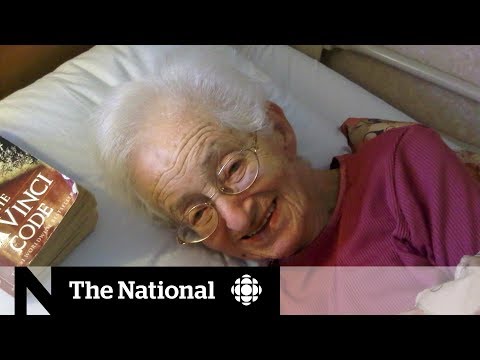
Sexual abuse of older adults occurs in private homes, care facilities, hospitals, and institutional settings. Sometimes the perpetrator is a family member, caregiver, staff member, roommate, partner, or another resident. Frailty, cognitive impairment, physical dependence, communication barriers, and social isolation can make older adults particularly vulnerable, especially when they are unable to fully report, resist, or even process what is happening to them.
And honestly, I think people often struggle to emotionally process this kind of abuse because it feels so profoundly violating. There is something especially horrific about exploiting someone who depends on others for care, safety, or basic survival.
Like many forms of sexual violence, these assaults are often less about sexual attraction and more about power, access, domination, opportunity, and vulnerability. The inability of some victims to communicate clearly, remember events consistently, or physically resist may embolden perpetrators who believe they will not be caught or believed.
That reality is deeply unsettling.
It becomes even more complicated in dementia care settings, where issues of consent, cognition, intimacy, and vulnerability can become ethically complicated very quickly. Not every expression of sexuality in later life is abuse. Older adults, including adults with mild or moderate cognitive impairment, may still seek affection, intimacy, companionship, or physical closeness. Gerontology has increasingly recognized the importance of preserving dignity and autonomy around intimacy whenever safely possible.
But there is a very clear line between consensual intimacy and exploitation.
When an individual cannot understand what is happening, cannot meaningfully consent, cannot communicate refusal, or is physically overpowered, we are no longer talking about intimacy. We are talking about abuse.
And unfortunately, sexual abuse in older populations remains dramatically underreported. Shame, fear, cognitive impairment, communication barriers, dependency, and institutional fear all contribute to silence. Some victims worry they will not be believed. Others fear retaliation, embarrassment, loss of care, or further humiliation.
Again, vulnerability changes the emotional landscape of adulthood.
One of the hardest realities for professionals to confront is that abuse can occur anywhere people stop fully seeing the humanity of the person in front of them. Once someone becomes viewed as “a body,” “a dementia patient,” “a feeder,” “a behavior,” or “a room number,” the erosion of dignity has already begun.
And honestly, that may be one of the most important things gerontology asks us to protect:
not simply safety,
but personhood itself.
When Harm Leaves No Bruises
Psychological or emotional abuse is one of the most difficult forms of elder abuse to identify because, unlike physical abuse, it often leaves no visible evidence.
No bruises.
No fractures.
No restraint marks.
Instead, it slowly erodes a person’s confidence, autonomy, stability, and sense of self.
Sometimes it looks obvious: screaming, humiliation, threats, intimidation, or cruel insults. But more often, emotional abuse works quietly and cumulatively. It sounds like:
“You already told me that.”
“You’re confused again.”
“Nobody else wants to deal with you.”
“If you don’t cooperate, I’m leaving.”
“Maybe you should just go into a home.”
After awhile, people begin shrinking themselves to avoid conflict.
And honestly, one of the most psychologically damaging aspects of emotional abuse is that it often makes older adults question their own reality. This becomes especially true when someone is already coping with grief, illness, hearing loss, medication changes, social isolation, or early cognitive decline. The older adult may begin wondering:
“Did that really happen?”
“Am I overreacting?”
“Maybe I am becoming difficult.”
“Maybe I deserved that.”
That internal confusion is part of the abuse.
Psychological abuse also thrives in environments where power becomes uneven. The person controlling transportation, medications, finances, meals, communication, or housing often controls the emotional atmosphere too. An older adult may tolerate humiliation, manipulation, or intimidation because the alternative feels even more frightening:
losing support,
losing connection,
losing independence,
or being completely alone.
And this is where aging becomes psychologically complicated. Dependence changes relationships. Adult children may suddenly become decision-makers for parents who once raised them. Spouses may become caregivers after decades of equal partnership. Overwhelmed caregivers may begin speaking about someone instead of to them. Frustration replaces patience. Conversations become transactional. A person slowly becomes viewed as a burden, a task list, a problem to manage.
That shift toward depersonalization is dangerous.
One of the things students sometimes struggle with is understanding why emotional abuse can be so devastating even when no physical violence occurs. But human beings are social and relational creatures. We understand ourselves partly through the responses of the people around us. When someone is repeatedly humiliated, dismissed, infantilized, ignored, isolated, threatened, or treated as though their feelings no longer matter, it affects psychological well-being profoundly.
Older adults experiencing emotional abuse may develop depression, anxiety, withdrawal, hypervigilance, sleep disruption, hopelessness, fearfulness, or deep shame. Some stop expressing needs entirely because asking for help no longer feels emotionally safe.
And honestly, emotional abuse often becomes normalized long before anyone recognizes it as abuse at all.
Families excuse it because someone is “stressed.”
Staff excuse it because they are “short-handed.”
Older adults excuse it because they fear conflict or abandonment.
Meanwhile, the person on the receiving end slowly disappears emotionally while still sitting right in front of everyone.
I think that’s part of what makes psychological abuse so disturbing. It attacks something fundamentally human:
the need to feel respected, heard, emotionally safe, and fully recognized as a person.
And once dignity starts eroding, the damage can spread quietly for years before anybody finally calls it what it is.
When Needs Go Unseen
Neglect is one of the most complicated forms of elder mistreatment because sometimes it involves intentional harm, and sometimes it emerges slowly through exhaustion, ignorance, avoidance, cognitive decline, or emotional overwhelm.
By definition, neglect involves the failure to provide care, supervision, protection, or services necessary to maintain an older adult’s physical or psychological well-being. But once you move beyond the textbook definition, things get murkier fast.
Sometimes neglect is active. Someone knows an older adult needs food, medication, hygiene support, medical attention, supervision, or basic care and intentionally withholds it. Sometimes this comes from anger, resentment, financial exploitation, addiction, emotional cruelty, or caregiver collapse.

But neglect is not always dramatic or openly malicious.
Sometimes it is quieter than that.
Mail piles up.
Medications stop being refilled.
Appointments get missed.
Food disappears from the refrigerator.
A once-clean house slowly becomes unsafe.
Someone stops bathing.
Bills go unpaid.
An older adult begins sitting in the same chair all day because getting up has become too difficult or frightening.
And honestly, one of the reasons neglect becomes so psychologically complicated is because responsibility itself can become blurry.
Families may tell themselves:
“Dad is stubborn.”
“Mom refuses help.”
“They want to stay independent.”
“I’m doing the best I can.”
Sometimes that’s true.
Sometimes people genuinely are doing the best they can while overwhelmed, underprepared, financially stretched, emotionally exhausted, and trying to hold together impossible situations. Caregiving often unfolds gradually, and many adults find themselves providing levels of care they were never trained, emotionally prepared, or financially equipped to handle.
But there is another uncomfortable reality too:
human beings are remarkably good at looking away from situations that make us feel helpless, guilty, or overwhelmed.
That’s where passive neglect starts creeping in.
Not always through cruelty.
Sometimes through avoidance.
If I never ask whether you ate today, I never have to confront the possibility that you didn’t.
If I stop looking closely at your living conditions, I can preserve the comforting illusion that everything is “fine.”
If I convince myself your confusion is just “normal aging,” I may avoid difficult conversations that frighten both of us.
That psychological distancing is powerful.
And then there is self-neglect, which may be one of the hardest realities professionals and families encounter in gerontology.
Self-neglect occurs when an older adult is unable or unwilling to adequately care for themselves, even when support or resources are available. This might involve refusing medications, declining medical treatment, hoarding, failing to maintain hygiene, living in unsafe conditions, refusing food, or rejecting outside help despite serious risk.
And honestly? Self-neglect forces us directly into one of the biggest ethical tensions in aging:
When does autonomy outweigh safety?
Because competent adults absolutely retain the right to make choices others disagree with. Older adults are still adults. They are allowed to make risky decisions, eccentric decisions, stubborn decisions, and even objectively bad decisions. That reality can be emotionally excruciating for family members trying to intervene.
Sometimes students become frustrated watching cases of self-neglect because the solution seems “obvious.”
“Why don’t they just accept help?”
But human beings are not always rational actors, especially when identity, pride, grief, fear, trauma, depression, cognitive decline, poverty, shame, or lifelong mistrust of institutions become involved.
For some older adults, accepting help feels psychologically equivalent to surrendering identity itself.
Imagine spending an entire lifetime surviving through competence, independence, self-reliance, or privacy, and then suddenly having strangers evaluating your home, finances, medications, body, memory, and daily functioning. That experience can feel profoundly threatening, even when people are genuinely trying to help.
And honestly, I think self-neglect frightens people because it disrupts our fantasy that humans naturally move toward safety and support when they need it. Real life is messier. Some people isolate when struggling. Some hide deterioration. Some refuse help out of pride. Some fear institutionalization more than risk itself.
As you watch this next video, resist the temptation to reduce the situation to:
“Why won’t they accept help?”
Instead, ask yourself:
What fears might be operating underneath that resistance?
What identities are they trying to preserve?
At what point should intervention override autonomy?
Who gets to decide when someone is no longer safe enough to refuse care?
There are no easy answers here.
That’s part of what makes gerontology both fascinating and emotionally difficult.
When Trust Becomes a Tool
Financial abuse is currently one of the fastest-growing forms of elder mistreatment, and honestly, part of what makes it so psychologically complicated is that fraud no longer looks like the cartoon version of crime most of us grew up imagining.
Yes, the Nigerian prince still exists in spirit somewhere out there in the digital wilderness asking for your bank account information. And yes, most of us know the IRS is probably not demanding payment in iTunes gift cards while threatening immediate arrest.
But let’s be honest for a moment:
almost everyone knows somebody who has been scammed, manipulated, catfished, hacked, socially engineered, or emotionally exploited online.
Vulnerability is not age-exclusive.
Humans are emotional creatures first and rational creatures second, especially when fear, loneliness, urgency, shame, confusion, or hope get involved.
And scammers know that.
The Psychology of the Scam
One of the reasons financial exploitation has exploded in recent years is because modern scams are psychologically sophisticated. Most are not really about technology at all. They are about emotion.
Fear.
Urgency.
Authority.
Loneliness.
Embarrassment.
Trust.
Hope.
That’s the formula.
The phone rings and suddenly your Social Security number has been “suspended.”
Your grandson is “in jail.”
A Medicare representative “needs to verify information.”
A charity needs immediate donations after a disaster.
A contractor just “happens to be in the neighborhood” and notices your roof needs repair.
A lonely older adult develops an online romantic relationship with someone who eventually needs emergency financial help.
What makes these scams effective is not stupidity. It’s emotional manipulation combined with timing and vulnerability.
And honestly, many scams work because they bypass the rational brain entirely. The victim becomes frightened, flustered, lonely, hopeful, embarrassed, distracted, or emotionally invested before they have time to step back and analyze what is happening.
Younger adults like to imagine they would never fall for these schemes, but confidence itself can become a vulnerability. Most scams succeed because they exploit ordinary human psychology, not low intelligence.
The internet simply industrialized manipulation.
The Scammer in the Snake-Skin Suit
Some financial predators look exactly like criminals.
Others look like legitimate businesses.
Predatory lenders may pressure older adults into reverse mortgages or high-interest loans they do not fully understand. Unscrupulous financial advisors may steer older clients into investments that benefit the salesperson more than the client. Older adults may be convinced to place retirement savings into annuities that will not mature until well beyond any realistic lifespan.
And honestly, financial systems themselves are becoming so complicated that many people struggle to fully understand them, regardless of age.
Medicare fraud alone has become one of the costliest forms of healthcare-related financial exploitation. Phishing attacks, identity theft, fake insurance claims, fraudulent medical billing, and cybercrime continue evolving faster than many consumers can realistically keep up with.
There’s also something psychologically exhausting about modern financial life in general. Passwords. Verification codes. Banking apps. Online portals. Automated systems. Scam warnings. Pop-ups. Fraud alerts. Constant vigilance.
After awhile, people get tired.
And exhaustion lowers defenses.
The Wolf in Sheep’s Clothing
But strangers are not the most common source of financial abuse.
Trusted people are.
That’s the part many families struggle to confront.
Financial exploitation frequently occurs inside existing relationships where trust, dependence, guilt, obligation, affection, or authority already exist. An adult child gains access to a bank account “to help out.” A caregiver begins using ATM cards for personal purchases. A trusted family member slowly isolates an older adult from outside oversight while taking increasing control over finances, property, or legal documents.
And sometimes the abuse unfolds so gradually that nobody recognizes it immediately, including the victim.
A Power of Attorney can be an incredibly important protective tool. In the wrong hands, it can also become a license to steal.
That betrayal cuts deeply because financial abuse is rarely just about money. It is about trust. Control. Dependency. Fear. Family dynamics. Power. Sometimes love gets tangled into the mess too, which makes everything psychologically murkier.
An older adult may know something is wrong and still remain silent because confronting the situation risks losing the very people they depend upon emotionally or physically.
Imagine realizing your son is stealing from you, but also knowing he is the person who drives you to appointments.
Imagine suspecting your caregiver is manipulating finances, but fearing that reporting them could leave you entirely alone.
Imagine feeling embarrassed enough that you would rather lose money than admit you were deceived.
That’s the emotional terrain financial abuse often occupies.
Why Financial Abuse Is So Devastating
Adult Protective Services reports that financial exploitation involving older adults has increased dramatically in both frequency and complexity over the last decade. Many cases are never reported at all.
And the consequences ripple outward far beyond bank accounts.
Financial abuse destabilizes housing, healthcare access, food security, transportation, medications, caregiving arrangements, and emotional well-being. Some older adults lose retirement savings entirely. Others are pushed into poverty, institutional care, or Medicaid dependence after their assets are stolen.
But psychologically, financial abuse also attacks identity.
For many adults, financial independence represents competence, stability, adulthood, and dignity. Losing control over finances can feel humiliating, frightening, and profoundly destabilizing, especially for individuals who spent a lifetime trying to remain self-sufficient.
And honestly, one of the cruelest parts is that victims often blame themselves.
Shame keeps people quiet.
Embarrassment keeps people isolated.
Fear keeps people compliant.
Meanwhile, the people exploiting them frequently understand those emotional dynamics perfectly.
That’s what makes financial abuse so insidious. It does not simply empty accounts.
It erodes safety, trust, confidence, and autonomy at the exact stage of life when rebuilding those things may already feel difficult.
When People Reach the End of What They Can Carry
Earlier in the semester, we talked about abandonment in a historical context. In many early tribal societies, elders were often valued as historians, healers, wisdom-keepers, or spiritual leaders. They carried memory, survival knowledge, stories, rituals, and identity for the group itself.
But history also tells a harsher truth.
When resources became scarce, when migration became dangerous, or when survival itself was uncertain, frail or cognitively impaired elders were sometimes left behind. Not always from cruelty. Sometimes from desperation. Sometimes because a group physically could not transport someone who could no longer keep pace with survival demands.
That reality makes modern people uncomfortable because we want history to divide neatly into “good people” and “bad people.” Human survival has rarely been that tidy.
And honestly, abandonment still exists now. It just looks different.
Modern Abandonment
Today, abandonment often occurs when caregiving systems collapse completely.
A spouse develops dementia after years of caregiving strain.
An adult child burns through savings, energy, patience, employment stability, and emotional reserves.
A family reaches the point where there is simply no money left for care.
Someone realizes they physically cannot manage another fall, another wandering episode, another sleepless night, another medical crisis.
And sometimes people break.
In larger cities, professionals occasionally encounter what is informally called “granny dumping,” a term that sounds almost flippant until you understand what it actually describes. A cognitively impaired older adult is left outside an emergency room, fire station, police department, or public building with little or no identification. Sometimes they are dressed in pajamas or a robe. Sometimes the family disappears before anyone can stop them.
Imagine that for a moment.
Imagine being frightened, confused, cognitively impaired, unable to explain who you are, while the people responsible for you quietly drive away because they cannot do it anymore.
That is one of the loneliest things I can imagine.
And honestly, one of the reasons abandonment is psychologically difficult to discuss is because it forces us into territory where judgment becomes too easy and understanding becomes much harder.
Yes, abandonment is devastating.
Yes, it is harmful.
Yes, vulnerable adults deserve protection.
At the same time, many abandonment situations emerge not from cartoon villainy, but from total system collapse around exhausted human beings who no longer know how to survive the demands being placed upon them.
That does not make abandonment acceptable.
But it does make it humanly complicated.
The Emotional Weight of Caregiving Collapse
One thing gerontology forces us to confront is that love does not magically create infinite emotional capacity.
People reach limits.
Financial limits.
Physical limits.
Psychological limits.
Sleep deprivation limits.
Caregiving limits.
And American caregiving systems often push families directly toward those edges with remarkably little structural support. Long-term dementia care can last for years. Families may drain retirement savings, lose employment opportunities, develop chronic stress illnesses, experience depression, social isolation, or caregiver burnout severe enough to affect their own health and functioning.
Meanwhile, many caregivers feel trapped inside impossible emotional double-binds.
If they continue caregiving, they may collapse themselves.
If they seek institutional placement, they feel guilt.
If they become frustrated, they feel shame.
If they admit resentment, they feel monstrous.
Caregiving can contain love, grief, anger, tenderness, obligation, exhaustion, and desperation all at the same time. Humans are emotionally complicated that way.
And honestly, I think society benefits enormously from unpaid caregiving labor while pretending not to notice the psychological cost to the people providing it.
Institutional Abandonment
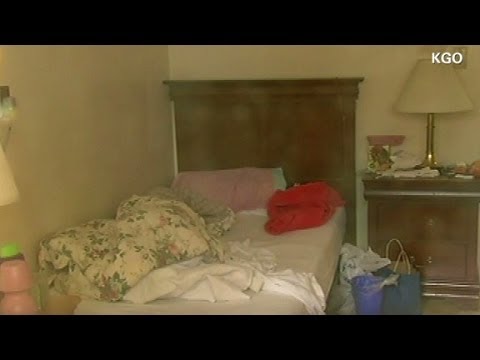
Abandonment is not always interpersonal, either.
Sometimes systems abandon people.
Trauma Does Not Expire With Age
One thing gerontology is increasingly recognizing is that elder abuse is not simply a legal issue or a reporting issue. It is also a trauma issue.
Emotional abuse, neglect, intimidation, abandonment, financial exploitation, and violence affect psychological well-being long after the immediate crisis resolves. Older adults experiencing abuse may develop anxiety, hypervigilance, sleep disruption, depression, grief reactions, withdrawal, distrust, or symptoms resembling post-traumatic stress.
And trauma recovery in later life can become complicated because older adults are often simultaneously navigating illness, loss, caregiving dependence, social isolation, or cognitive changes.
What helps? Honestly, many of the same things that help humans heal at any age:
safety,
stability,
validation,
supportive relationships,
restoration of agency,
practical assistance,
trauma-informed care,
and the ability to regain some sense of control over one’s own life.
But first, people have to feel safe enough to speak.
And I’m not entirely convinced our culture knows how to have honest conversations about vulnerability yet. We are getting better at talking about “successful aging.” We are still pretty uncomfortable talking about frightened aging, dependent aging, overwhelmed aging, or ashamed aging.
Maybe because vulnerability forces us to confront something most adults spend years trying not to think about:
eventually, almost all human beings depend on someone.