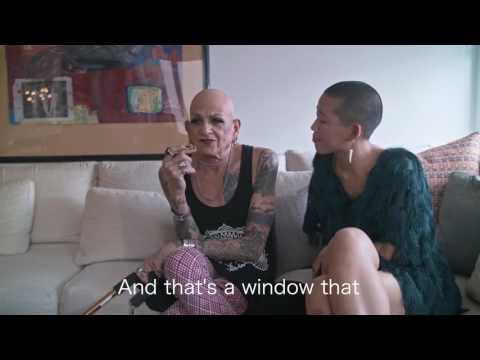
Lecture - Intergenerational Relationships, Aging and LGBTQ+
Intergenerational relationships within the LGBTQ+ population refer to connections and interactions between individuals of different age groups within the LGBTQ+ community. These relationships can occur between older and younger LGBTQ+ individuals and may involve friendships, mentorships, familial bonds, or romantic partnerships.
Historical context is crucial for intergenerational relationships within the LGBTQ+ population as it facilitates understanding, resilience, identity formation, and activism. It preserves collective memory, combats stigma, and fosters a sense of unity and belonging within the LGBTQ+ community. Understanding the past can provide a deeper understanding LGBTQ+ population as it facilitates understanding, resilience, identity formation, and activism. It preserves collective memory, combats stigma, and fosters a sense of unity and belonging within the LGBTQ+ community. Learning about the fight for LGBTQ+ rights, the impact of discriminatory laws, and the sacrifices made by activists helps younger individuals appreciate the progress that has been made and the ongoing work that still needs to be done. It fosters a sense of gratitude, respect, and resilience within the LGBTQ+ community. Conversations about the past can serve as a conduit for preserving collective memory within the LGBTQ+ community. Older LGBTQ+ individuals often possess firsthand knowledge of significant events, movements, and cultural nuances that younger generations may not be aware of. By engaging in dialogue and sharing their experiences, older LGBTQ+ individuals help preserve the community's history, culture, and traditions, preventing them from being lost or forgotten.

Knowledge of the struggles and triumphs of previous generations can foster resilience and determination within the LGBTQ+ community. By recognizing the challenges that have been overcome, individuals can draw strength and inspiration, empowering themselves to continue advocating for LGBTQ+ rights and social change. Intergenerational relationships play a vital role in transmitting this resilience and encouraging younger generations to carry the torch forward. By understanding the historical forces that have perpetuated prejudice and inequality, younger generations can challenge and dismantle these harmful beliefs. Intergenerational relationships enable the transmission of knowledge and strategies for resilience, activism, and advocating for social justice.
Intergenerational Caregiving and the Importance of Fictive Kin
Particularly for older members of the LGBTQ+ population, social policy isolated this segment of our population, often alienating them from family. This left a population of individuals, who were discouraged from having children, with very few options for caregiving later in their lives. Their reliance upon their peer group for support and the strong bonds that formed as a sense of survival created a phenomenon unique to this population. Healthcare laws were not favorable for fictive kin to help with long-term care, or healthcare decisions, so this population became legally savvy and learned how to protect their rights through legal creativity. This was one of the first populations to utilize Durable Powers of Attorney for Healthcare and develop systems and services that best meet their social and medical needs.
With time has come some progress. Marriage equity and domestic partnership laws have transformed and positively impacted the LGBTQ+ population. They have provided legal recognition, protections, and equal rights, fostering emotional well-being, strengthening relationships and families, promoting social progress, and enhancing economic opportunities. These legal developments contribute to a more inclusive and equitable society for LGBTQ+ individuals and have a far-reaching ripple effect on the broader movement for LGBTQ+ rights.
The intergenerational connections in this community often involve older LGBTQ+ individuals taking on caregiving roles for younger LGBTQ+ individuals who may face challenges such as homelessness, rejection from biological families, or lack of support networks. This caregiving can manifest in various forms, including providing housing, financial assistance, emotional support, or mentorship. Intergenerational caregiving strengthens the sense of community, provides stability, and helps address the unique needs of LGBTQ+ individuals.
Younger LGBTQ+ individuals can provide support and care to older or frail elderly LGBTQ+ individuals in several ways:
-
Emotional Support: Emotional support is crucial for older LGBTQ+ individuals, particularly when they may face unique challenges related to aging, such as social isolation, health concerns, or the loss of friends and partners. Younger LGBTQ+ individuals can offer a listening ear, empathy, and companionship, helping to alleviate feelings of loneliness or depression. Regular check-ins, visits, or phone/video calls can provide a sense of connection and support.
-
Practical Assistance: Younger LGBTQ+ individuals can offer practical assistance to older or frail elderly LGBTQ+ individuals. This may include help with household chores, shopping, meal preparation, transportation to medical appointments, or assistance with technology. These practical tasks can alleviate the burden on older individuals and contribute to their overall well-being.
-
Advocacy and Access to Resources: Younger LGBTQ+ individuals can serve as advocates for older LGBTQ+ individuals, ensuring they have access to appropriate healthcare, social services, and community resources. They can assist in navigating bureaucratic processes, connecting older individuals with LGBTQ+-friendly service providers, or advocating for their specific needs within healthcare or long-term care systems.
-
Social Inclusion and Community Engagement: Younger LGBTQ+ individuals can involve older LGBTQ+ individuals in social activities, community events, or LGBTQ+ support groups. They can encourage participation in LGBTQ+ organizations or programs designed for older adults. By fostering social inclusion and community engagement, younger individuals help combat social isolation and promote a sense of belonging for older LGBTQ+ individuals.
-
Sharing Personal Experiences and Wisdom: Younger LGBTQ+ individuals can share their own experiences, knowledge, and perspectives with older individuals. This exchange of ideas and generational insights can enrich both parties, promoting mutual learning and understanding. Younger individuals can learn from the wisdom and resilience of older LGBTQ+ individuals, while older individuals can benefit from the perspectives and experiences of younger generations.
-
Respecting Autonomy and Dignity: It is important for younger LGBTQ+ individuals to respect the autonomy and dignity of older or frail elderly LGBTQ+ individuals. This involves recognizing and honoring their independence, personal choices, and decision-making capacity. Younger individuals can actively involve older individuals in discussions and decisions about their care, respecting their wishes and preferences.
It's worth noting that the support provided by younger LGBTQ+ individuals will vary depending on the needs and circumstances of the older or frail elderly LGBTQ+ individuals. It is important to approach each situation with sensitivity, respect, and open communication to ensure that the support provided aligns with the preferences and requirements of the older individual.