Assistive Devices
Assistive Technology helps people to live healthy, satisfying and independent lives. There are many devices and systems that are included when we talk about assistive technology – from screen readers to accessible mobile phones, telecare to memory aids.
What is Assistive Technology
Assistive technology is any device, equipment, gadget or gizmo that helps to bridge gaps in a person’s ability to live the full, independent and fulfilling life they want to. Assistive technology can help many different people in different ways, but for elderly people the main goal is to reduce reliance on other people and care systems and to help them to stay in their homes for longer.
Assistive Devices
Assistive devices that are most likely to help your elderly relative are usually electronic gadgets. Health can be improved with medication reminders, pill dispensers, and telehealth systems. Independence and comfort might be focused on with virtual assistants, visual and communication aids, and memory aids. Assistive technology can also be used for home safety and security – smart smoke alarms and doorbells, automated lighting and water-overflow devices to name a few. We’ll give you some more examples below!
Wheelchair/Mobility Chair
A common mobility assistive device for seniors is a wheelchair. There are many different types of wheelchairs, including manual and electric models, that can be used by seniors to get around with ease. Electric wheelchairs allow people who have trouble walking or need more support to function independently. These devices also require less effort than pushing the traditional wheelchair, so they provide greater comfort. They come in various styles, from lightweight chairs for use indoors to heavy-duty ones designed for rough terrain outdoors.
Canes/Walkers
Older adults may find it difficult to walk without some assistance. But thankfully, there are several walking aids available, such as canes or walkers, that make it easier. Canes help maintain balance when an individual is walking on uneven terrain. They also provide a surface for the person to lean against when they need some help getting up from sitting or entering and exiting a vehicle.
Walkers offer multiple points of support that make it easier for someone with limited mobility to balance themselves without assistance. These are especially helpful in preventing falls, leading to serious injuries like hip fractures or head injuries.
Mobility Scooters
An electric mobility scooter can help those with mobility issues; it’s also great for people who are recovering from surgery or have arthritis. These devices allow the user to cover wider distances without fatigue, making it easier for them to go on errands.
Standing Frame
For seniors dealing with serious health problems like arthritis, heart disease, chronic obstructive pulmonary disease (COPD), cancer, Parkinson’s Disease, stroke, or diabetes who are not able to stand independently but want standing support when rising out of bed or sitting at an armchair; the Standing frame may help them maintain their independence by aiding them in balancing their weight. These frames come in various heights, weights, and colors.
Gait Belt
Gait belts are used to provide stability and assist a person’s natural gait when they walk. These devices can be handy for individuals with balance or mobility challenges, Parkinson’s disease, or anyone recovering from hip surgery.
Gait belts are often used in combination with a mobility device such as a wheeled walker or crutches. They can also be used for assistance when getting up from sitting on the floor, going downstairs, and navigating uneven terrain like gravel paths.
While some gait belts come fully assembled out of the package, many medical supply retailers offer adjustable models that allow you to adjust them to your body size and level of physical need, so it may take more than one visit before finding the best fit.
First-time users should look for stability features like padded back straps and wide waistbands that distribute weight evenly across their pelvis while avoiding pressure points around the hips or abdomen.
Safety Alarms and Monitors
If a senior falls, they may not be able to get back up. This can lead to serious injuries, and that’s why they need safety devices or alarms in their house that will alert someone if they have fallen.
Cushions/Pillows
Some people have difficulty moving around due to soreness and pain caused by arthritis, so cushions and pillows may be needed depending on the individual’s needs. For instance, inflatable pillows may provide temporary pressure relief during periods of acute discomfort.
Wedge pillows are mainly used by people suffering from acid reflux problems. Still, they can prove useful if someone suffers from GERD/LPR (gastroesophageal reflux disease), too, because these types of pillows help keep the head propped up.
Positioning pillows are also a great idea for those who have back problems because they enable the user to sit upright and avoid slouching, which can cause long-term pain in muscles and joints.
Reachers and Grabbers
A reacher or grabber is a helpful tool that can assist in reaching objects on the floor, pick up items from high shelves, turn off lights, or open/close doors with no grip strength. This device helps people avoid falls by allowing them to access higher places quickly and safely without assistance. They’re perfect for those who have poor balance due to Parkinson’s disease, dementia, stroke, or arthritis, among others.
Toilet Assistive Devices
Toilet assist devices such as raised toilet seats (sometimes called elevated toilets) may be necessary for some people who need help getting on or off the toilet but don’t want to use any mobility device that would prevent them from using their own bathroom at home.
Raised commodes make it easier for many older adults with arthritis or other chronic conditions to get onto the seat, so they’re not overstretching themselves when lifting their legs into position. And this is just one way how assisted living can help seniors who need some help with mobility.
Getting assistive devices for the elders like bathroom and bedside toilets can be a great way to make things easier on someone who is having trouble getting around or has difficulty using their hands, arms, or legs due to injury, illness, arthritis, stroke recovery to keep them safe and comfortable at home.
Shower Chair
Many seniors find sitting in a standing shower difficult, so they prefer using a chair while taking showers. It provides back support when washing their hair and stability during body movements like rinsing the soap off the skin, which can be difficult for people with limited mobility.
A Shower Chair is also helpful to those who have a hard time bending or squatting because it provides a seat while they shower. This device helps provide balance and stability, preventing slip-and-fall accidents in the bathroom that might result from falls due to muscle weakness.
Bathroom Assistive Devices and Safety Rails
Older individuals may require assistance while in the bathroom. That’s why it is important to have safety rails installed. They help prevent slips, falls, and trips, which can be harmful when one has a walker or other assistive devices.
Non-Slip Bathmat
It is important to have non-slip bathmats put down near tubs and showers so that one does not slip while getting out of the shower or trying to take care of personal needs at home after bathing. Non-slips mats come in many different sizes and materials such as vinyl, rubber, polyester fabric with suction cups, and even foam.
Bed Rails and Risers
Older individuals who are bedridden may need help during accidental movements while asleep, where bed rail assistances come in handy as they protect the user from falling out of bed. They also provide better positioning when one needs assistance getting into or out of bed.
Bed risers are excellent for individuals who need a little boost to get out of bed. These devices can also be used as assistive devices in homes with raised floors, such as those created from wood or cement blocks.
Sock Aids
Sock aids are a helpful assistive device for elderly adults because they make it easier to pull on and take off socks. This is important because arthritis can be painful, making bending over difficult or impossible.
There are two types of sock aids. There’s a ring and clip version with an elastic band with clips on the end; or a looped handle that loops over one’s arm.
Quilt and Blanket Holders
Quilts need to be aired out regularly, so a quilt holder is handy when moving without help. Quilted holders have handles at either end of the long edge with loops sewn into one side of each handle across its width. The other end has loops sewn into the edge of each handle to hold onto a quilt’s corners.
Lifting Assistance
There are many types of lift assistive devices on the market today. They can be very helpful for seniors who have difficulty lifting objects or who need help getting out of a chair or bed. Some of the lift assistive devices for elderly include lift harnesses, slings, reacher grabbers, etc.
Assistive Eating Tools
There are a number of different assistive eating devices for elderly that can help elderly individuals eat more comfortably and independently. For example, A feeding tray is a simple device that can be used to hold food and drinks. Suction cup cutlery is another great option for elderly individuals who have difficulty gripping traditional cutlery. The cutlery features a series of suction cups on the handles, which create a strong grip between the cutlery and the user’s hand.
Listening Aids
There are many different types of assistive listening devices for eldelry available on the market. Some of the most popular devices include hearing aids, cochlear implants, and personal amplifiers. If you’re looking for a device that can help you hear better in noisy environments, a personal amplifier may be a good option. These devices are small and portable, and they can be worn around your neck or clipped to your belt. They amplify sound signals so that you can hear them more clearly.
Assistive Technology
Assistive technology can help many people in different ways, whether it be someone living with dementia to remember certain things, a stroke survivor to communicate, a visually impaired person to access the internet, or even just a healthy older person to help secure their home.
Personal Alarms
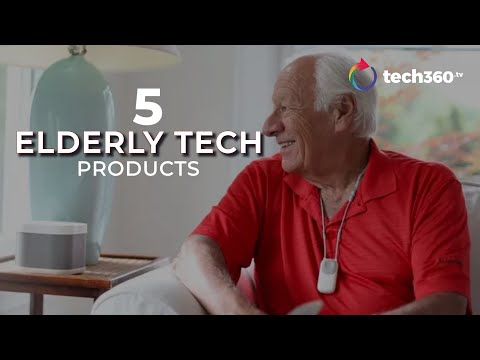
These small wearable pendants mean that help is only a button press away, 24/7. Working with a central hub that lives next to your parents’ landline, personal alarms alert either you, a close chosen contact or a monitoring team and allow you to talk directly to them, work out what is wrong, and get suitable help to them quickly. These are especially useful for if an older person has had a fall and can’t get themselves up.
Telecare Monitoring
Personal Alarms are often included in telecare monitoring systems – digital activity monitoring using sensors throughout the home. Much like sensor burglar or car alarms, telecare monitoring systems only sound the alarm when they detect something out of the ordinary or wrong. If your parent doesn’t leave their bed in the morning or hasn’t shut the front the door, a 24/7 monitoring team (or you via an app) are alerted and a neighbor might be asked to check up on them.
GPS Trackers
Much like personal alarms, and sometimes embedded in them, GPS trackers are worn on the body and do exactly what you expect them to do. These fobs, and wristbands allow you to know where your parent is if they aren’t answering the phone or haven’t been home in a while. If you care for someone with dementia, who is prone to wandering, GPS trackers are a great, low-cost solution.
Home Safety and Security
There are lots of small gadgets and gizmos that can help make life a little easier and safer in the home – and most of them are fairly cheap! It may not be the ‘smart home of the future’ we were all promised but little individual devices can all help do their part to make the home a safer place to be for the elderly and help their carers to worry a little less. Smart doorbells and locks can improve the security of their homes, while also helping you to keep an eye on them and the people that might be visiting them. Smart lighting, specialist smoke and fire alarms, and water overflow sensors do their part to improve the safety of your parents’ home – helping them to live independently for longer.
Memory Care Aids
For many, forgetfulness is part of the natural aging process and does not necessarily have to be a symptom of dementia. The good news is there are many types of assistive technology designed to help remind your mum or dad to remember their keys, feed the cat, or that they need to take a pill. Memo reminders, automatic pill dispensers and many other devices can all help take some of the stress away from needing to remember everything we need to in daily life.
Communication Aids
There are assistive device solutions to potential communication difficulties an older person may encounter. Accessible mobile phones can help keep older people connected to their friends and loved ones, reducing loneliness and isolation – unfortunately common among the elderly. For those living with a speech impairment, speech generating devices can help give them a voice again.
Visual Aids and Screen Readers
Visual impairment should not stop the elderly making use of some of the wonderous technology we have today, like computers, tablets and smartphones. Assistive technology can help people who can’t or struggle to see to navigate these devices. Screen Readers read out what is going on on the screen of computers, smartphones and tablets, helping the visually impaired to move around the device, select next actions, and access the internet. Most devices these days have screen reader options built into the accessibility controls, however there are also some other downloadable options that might work better for you.
The most popular application for Mac computers and iPhones is VoiceOver (built in/ free), and for Windows try JAWS (paid) or NVDA (free).
Walking Aids
Walking aids are helpful for patients who have chronic problems, including hip and knee arthritis, as well as those who have acute injuries, such as ankle sprains and leg fractures.
Finding the right type of walking aid will help. Which type is needed is based on several factors. A physical therapist can make a recommendation. They will assess gait, balance, cognition, cardiovascular fitness, musculoskeletal challenges, and any neurological conditions. If there is an injury, it is essential to get a walking aid that matches your weight-bearing status.
Different walking aids may be needed to negotiate stairs or transportation like bus or car.
Many people may resist using walking aids because they are not convenient or they feel a stigma attached to needing one. However, they have been shown to reduce fall injuries.
Hearing Aids
There are 48 million people throughout the country suffering from hearing loss. Of those people, only 20 percent who can benefit from the use of a hearing aid actually wears them. It turns out, living with untreated hearing loss can do more damage than originally thought and those who seek treatment see improvements in all aspects of their lives. Individuals who choose to treat their hearing loss with hearing aids are known to have better overall health, professional success and emotional well-being than those who don’t.
Learn more about Assistive Devices by reading the below articles:
Assistive Devices for Older Adults (Web-MD)
Must Have Assistive Devices for Elderly (A Place for Mom)