FINAL PROJECT: Psychological Aging Interview
Why You’re Doing This
One of the biggest problems in the study of aging is that most people think they already understand it. We assume aging means decline, wisdom, loneliness, freedom, irrelevance, exhaustion, invisibility, peace, or fragility based on very little actual experience. Most of what we “know” about older adults comes from media, family stories, stereotypes, advertising, and brief interactions rather than sustained conversation.
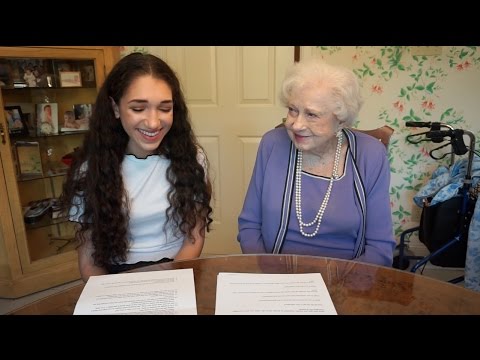
Over the course of the semester, you will interview one adult age 65 or older and examine how they have psychologically adapted to the realities of living a long life. Rather than focusing only on events or milestones, this assignment asks you to explore how a person has made sense of change, relationships, stress, identity, memory, work, loss, resilience, meaning, and aging itself across the lifespan.
The purpose of this assignment is not to prove whether someone is aging “successfully” or unsuccessfully. Human lives are far more complicated than that. Instead, the goal is to better understand how people adapt psychologically as they move through adulthood and later life.
By the end of the project, you should have a deeper understanding of:
- how aging shapes identity and emotional life
- how people cope with transition and loss
- how relationships evolve over time
- how personality, meaning, and resilience develop
- how psychological theories apply to real human lives
- how your own assumptions about aging may have changed
Most importantly, this project is designed to help you see older adults as complex individuals rather than stereotypes, categories, or diagnoses.
Step 1: Choosing Your Interview Subject
Your interview subject must:
- be age 65 or older
- be capable of participating in multiple conversations
- agree to discuss personal experiences thoughtfully and honestly
You may interview:
- a grandparent
- parent
- older relative
- friend
- neighbor
- coworker
- mentor
- community member
Family members are absolutely acceptable, but you must approach the interview with academic seriousness. In many ways, interviewing someone you think you already know can be more difficult because it requires you to move beyond assumptions and familiar family roles.
It is your responsibility to locate an interview subject. If you believe you “don’t know anyone over 65,” then it is time to start paying closer attention to the world around you. Older adults are not rare wildlife hiding deep in the forest. They are everywhere.
The strongest projects usually come from students who choose someone they are genuinely curious about.
Step 2: Interview Structure & Expectations
You are expected to conduct approximately 3–4 interview sessions lasting about 45–60 minutes each.
Multiple conversations are important because:
- trust develops over time
- deeper reflection happens gradually
- people often remember important details later
- psychologically meaningful conversations rarely happen in one sitting
Interviews may take place:
- in person
- by phone
- through Zoom or video chat
Do not conduct interviews entirely through text or email. This assignment depends heavily on conversation, tone, reflection, and interpersonal interaction.
Before each interview:
- review the topics we are covering in class
- think about how psychological theories connect to real life
- prepare several possible questions
- allow room for natural conversation
Real human lives do not unfold in neat textbook chapters, and your interviews should not feel like police interrogations or customer satisfaction surveys.
Step 3: Ethical Expectations
At the beginning of your first interview:
- explain the purpose of the assignment
- explain that the project focuses on psychological aging and life experience
- remind the interviewee that participation is voluntary
You must:
- use only a first name or pseudonym in your paper
- protect the privacy of your interviewee
- allow them to decline any question
- respect emotional boundaries and sensitive topics
Some questions may involve:
- grief
- illness
- trauma
- regret
- identity
- family conflict
- mortality
Approach these conversations respectfully and thoughtfully.
If your interviewee declines to answer one or two questions, simply note this briefly in your paper. If they refuse to discuss most topics, you may need to choose another interview subject because incomplete interviews make psychological analysis difficult.
Step 4: The Interview Process
This is not a checklist assignment. You are not expected to ask every question listed below.
Think of these prompts as conversation starters designed to help you better understand how this individual experiences aging psychologically.
The strongest interviews usually feel like meaningful conversations rather than rigid questionnaires.
As the semester progresses, try connecting your interview questions to the theories and concepts we are studying in class.
For example:
- During our unit on identity and personality, focus on self-concept, roles, and personal change.
- During our unit on cognition, explore memory, learning, and adaptation.
- During our unit on relationships, ask about attachment, caregiving, loneliness, or intimacy.
- During our unit on meaning and mortality, discuss purpose, spirituality, regret, or life review.
You are encouraged to revisit earlier topics later in the semester as your understanding deepens.
Suggested Interview Questions
Identity & Self-Concept
How would you describe yourself to someone who had never met you?
When in your life did you feel most like yourself?
Has your sense of identity changed as you’ve gotten older?
What roles in life have been most important to you?
What five words best describe you?
Life Transitions & Adaptation
What moments in your life changed you the most?
Tell me about something that went very right in your life. Now tell me about something that went very wrong.
How have you handled major life transitions or unexpected changes?
What periods of your life were the most difficult psychologically?
What helped you adapt during stressful times?
Relationships & Emotional Life
Which relationships shaped your life the most?
Has your understanding of love, friendship, or family changed with age?
What kinds of relationships matter most to you now?
Do you think aging changes emotional priorities?
What do younger people misunderstand about older adults emotionally?
Memory & Reflection
What memories do you return to most often?
Are there experiences that seem more important to you now than they did when they happened?
How do you think memory shapes identity?
What parts of your life story feel unfinished?
Coping, Resilience & Mental Health
How do you usually respond to stress or hardship?
Do you think you are more emotionally resilient now than when you were younger?
How have you dealt with grief, disappointment, or loss?
What keeps people psychologically strong as they age?
Aging & Society
What messages about aging did you grow up hearing?
Do you think society treats older adults fairly?
Have you ever felt invisible, dismissed, or stereotyped because of age?
What stereotypes about aging frustrate you most?
Meaning, Wisdom & Mortality
What gives your life meaning now?
What do you think people misunderstand about growing older?
Has your perspective on death changed with age?
What advice would you give your younger self?
What does a meaningful life look like to you now?
Step 5: Writing the Paper
After completing your interviews, you will write a 5–10 page narrative analysis.
This is not a transcript.
I do not want:
- a list of questions and answers
- surface summary
- disconnected stories
- vague observations with no analysis
I want you to tell the story of a psychologically complex human being.
Your paper should include:
A Psychological Portrait
Describe who this person is psychologically, emotionally, and socially. What patterns emerged across your interviews? How do they approach relationships, stress, identity, change, or meaning?
Life Experiences & Adaptation
Discuss important life events and transitions. Focus on how the individual adapted psychologically, not simply what happened.
Integration of Course Material
You must connect your interview to at least three psychological theories or concepts discussed in class.
Do not simply define theories. Apply them thoughtfully.
For example:
- Does this person reflect Erikson’s theory of ego integrity?
- Do they demonstrate resilience or emotional regulation?
- How do they experience continuity or identity change?
- How does stereotype embodiment appear in their experiences?
- How do relationships influence their emotional well-being?
Your Reflection
Discuss how this project affected your own understanding of aging.
What surprised you?
What challenged your assumptions?
Did this person complicate your ideas about older adulthood?
What did you learn about psychological aging that you could never learn from a textbook alone?
Writing Expectations
Your paper should:
- have a clear introduction and conclusion
- flow as a narrative rather than a transcript
- use thoughtful organization and transitions
- demonstrate reflection and critical thinking
- integrate theory naturally into the discussion
Grammar, clarity, and organization matter. Careless writing weakens strong thinking.
Academic Integrity
This assignment is intentionally designed around real human interaction, reflection, and analysis.
AI can summarize theories.
AI cannot replace meaningful human conversation.
Submitting fabricated interviews, invented experiences, or heavily outsourced writing defeats the entire purpose of the project and will create academic integrity issues very quickly.
Do the assignment honestly. Students consistently report that this becomes one of the most meaningful projects they complete in college, largely because it requires them to slow down and actually listen to another human being’s life.
Here's a great video to get you started