7.3 Dying in a Complicated World - Autoomy, Culture, Law and the End of Life
Autonomy, Ethics, and the End of Life
Legally, in the United States, we generally have the right to live our lives as we choose, at least within certain social and legal boundaries. We make decisions about our bodies, our relationships, our beliefs, our careers, our lifestyles, and our futures with a fairly high degree of personal autonomy. We can refuse treatment. We can choose where and how we live. We can decide what risks we are willing to take and what values shape our lives.
But what happens when life becomes suffering?
Do human beings have the same right to shape the conditions of their dying that they have to shape the conditions of their living? Should they? Who gets to define what quality of life means? The individual? The family? The medical system? Religious institutions? The state?
These questions become ethically complicated very quickly.
From a distance, conversations about end-of-life autonomy often feel abstract and philosophical. People answer confidently when suffering is theoretical. Then someone they love develops advanced dementia, terminal cancer, ALS, chronic unrelenting pain, or profound neurological decline, and suddenly the questions stop being intellectual exercises.
What does dignity mean now?
What if medicine can prolong biological life far longer than a person wishes to continue living it? What happens when family members disagree about what should happen next? What happens when guilt, love, fear, grief, religion, exhaustion, hope, and obligation all collide in the same hospital room?
There are no universally comfortable answers here, which is part of why these conversations are often avoided until crisis forces them into the open. Every person brings different values, experiences, fears, spiritual beliefs, cultural expectations, and personal histories into these discussions, and no two families navigate them exactly the same way.
Part of the complexity lies in the fact that modern medicine changed the experience of dying itself. A century ago, many people died relatively quickly from infectious disease, injury, or acute illness. Today, many deaths occur slowly across months or years of chronic illness, advanced age, progressive neurological decline, or technologically prolonged medical intervention. Medicine can often extend biological life far longer than previous generations could have imagined. The question, though, is whether prolonging life and preserving quality of life always mean the same thing.
That distinction sits at the center of many modern ethical debates surrounding end-of-life care.
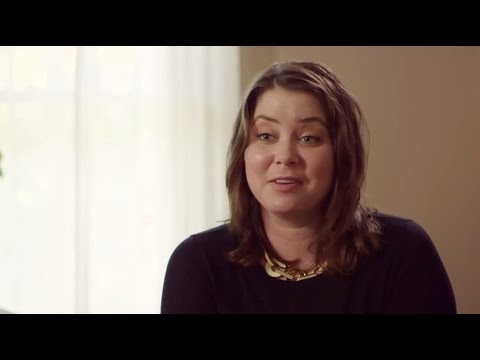
One of the most visible modern examples of this debate involved Brittany Maynard, a 29-year-old woman diagnosed with terminal glioblastoma, an aggressive form of brain cancer. Faced with progressive neurological decline, loss of autonomy, and a prognosis that offered little hope for recovery, she chose to relocate to Oregon so she could legally access physician-assisted dying under the state’s Death With Dignity Act.