5.5 Aging in Place
More Than a Place to Live
Human beings do not age in isolation.
People age inside homes, neighborhoods, workplaces, communities, transportation systems, healthcare environments, landscapes, and social spaces that influence psychological wellbeing every day. The environments surrounding people shape far more than convenience or physical comfort. They influence identity, autonomy, emotional regulation, belonging, memory, stress, safety, and the ability to participate meaningfully in daily life.
Yet people often notice the psychological importance of environment only when something changes.
A staircase that once felt invisible suddenly becomes intimidating after injury or surgery. A longtime neighborhood begins feeling unfamiliar after friends move away or businesses close. A parent’s home, once associated with stability and authority, gradually transforms into a space filled with caregiving equipment, medication schedules, and safety concerns. A person relocating after retirement may discover that leaving a familiar home feels emotionally disorienting even when the move makes practical sense.
Places hold psychological meaning.
A home is rarely just a physical structure. Over time, environments become layered with memory, identity, habit, and emotional association. Kitchens hold family rituals. Hallways contain growth marks from children. Gardens reflect years of care and routine. Favorite chairs become connected to comfort, grief, recovery, reading, conversation, or daily rhythm. Familiar neighborhoods create a sense of orientation and continuity that many people barely notice until it disappears.
When the Environment No Longer Fits
Psychologists and gerontologists studying environmental aging have long recognized that physical environments influence psychological functioning across the lifespan. The relationship between individuals and their environments changes continuously as bodies, cognition, social roles, and life circumstances evolve.
A young adult living in a fourth-floor apartment without an elevator may barely think about stairs at all. Decades later, the same environment may feel exhausting, painful, or inaccessible after illness, injury, arthritis, or reduced mobility. A noisy urban neighborhood that once felt exciting may later feel overstimulating or stressful. Meanwhile, an isolated rural setting that once provided peace and privacy may become frightening if driving ability changes or healthcare access becomes limited.
The environment itself has not necessarily changed.
The relationship between the person and the environment has changed.
This interaction between individuals and surroundings is psychologically important because autonomy is closely connected to environmental fit. People function best when environments support rather than constantly challenge their abilities, routines, identities, and social participation.
When environments no longer fit well, stress often increases.
An older adult may begin avoiding activities because public spaces feel physically exhausting or socially alienating. Someone recovering from illness may feel frustrated by environments that once felt easy to navigate. Adults caring for family members may quietly reorganize entire households around caregiving needs, medical equipment, safety concerns, transportation demands, or cognitive changes.
Environmental stress is not only physical.
It is emotional and psychological.
Home, Memory, and Aging in Place
At the same time, familiar environments can provide powerful emotional stability during periods of uncertainty or transition. This is one reason many adults express strong desires to “age in place,” meaning to remain in familiar homes and communities as they grow older whenever possible.
Aging in place is often misunderstood as simple resistance to change. In reality, familiar environments frequently support identity continuity, memory, independence, social connection, and emotional security. Daily routines become psychologically grounding. Knowing where objects are located, recognizing neighbors, understanding community rhythms, and remaining connected to meaningful places can reduce stress and reinforce competence.
This becomes especially important during periods of cognitive or physical change. Familiarity often helps preserve orientation and confidence when other aspects of life feel uncertain.
At the same time, remaining in place is not always possible or healthy. Some homes become unsafe. Some communities lack transportation, healthcare access, social support, or accessibility. Other adults experience isolation after neighborhoods change or social networks disappear. The psychological attachment people feel toward environments can therefore create complicated tensions between emotional comfort and practical reality.
Relocation in adulthood often involves far more than changing addresses.
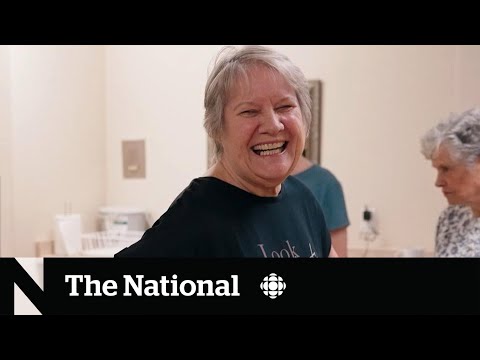
People may grieve the loss of routines, neighbors, sensory familiarity, privacy, independence, identity, or community role. An adult moving into assisted living may experience relief and loss simultaneously. A widowed person leaving a longtime family home may feel as though they are dismantling part of their personal history. Someone relocating to care for family may experience profound loneliness despite being surrounded by people.
Environmental belonging is deeply connected to identity.
People frequently describe themselves through place:
small-town people,
city people,
farm kids,
coastal residents,
immigrants,
military families,
suburban parents,
or members of specific neighborhoods and communities.
These identities influence values, habits, social expectations, political beliefs, relationships, and feelings of belonging across adulthood. Even sensory experiences become psychologically embedded in identity. Certain smells, weather patterns, foods, sounds, or landscapes can immediately evoke powerful emotional responses connected to memory and selfhood.
Designing Communities for Successful Aging
The psychology of aging therefore requires understanding not only internal development, but also the environments in which development unfolds.
This becomes particularly important when examining accessibility and inclusion. Many environments are designed around assumptions regarding mobility, sensory ability, transportation access, cognition, income, language, or social norms. Individuals whose bodies or circumstances fall outside those assumptions may experience environments as exhausting, humiliating, isolating, or psychologically alienating.
A person using a walker may begin avoiding social events because entrances are difficult to navigate. An older adult who stops driving may experience shrinking social worlds if public transportation is limited. Someone with hearing loss may gradually withdraw from noisy social settings because conversation becomes frustrating and exhausting.
Over time, environmental barriers can affect identity itself.
People may begin seeing themselves as dependent, isolated, burdensome, invisible, or disconnected not only because of physical change, but because environments limit participation and belonging.
At the same time, supportive environments can dramatically improve psychological wellbeing across adulthood. Communities that encourage intergenerational interaction, accessibility, social participation, safety, autonomy, and meaningful engagement often support stronger emotional health and life satisfaction across age groups.
The psychology of aging therefore asks an important question:
What kinds of environments help human beings continue feeling connected, capable, valued, and psychologically at home across the lifespan?
This question matters because aging is not simply a biological process unfolding inside individual bodies. Human beings age inside environments that either support or undermine dignity, participation, identity, memory, and belonging.
In many ways, adulthood is partly the ongoing process of negotiating the relationship between the self and the places that hold our lives.