4.4 Culture, Creativity and Coping
Coping
In Western culture, stress has almost become a status symbol. People compete over who is busiest, most overbooked, most exhausted, or functioning on the least amount of sleep. Busyness is often interpreted as evidence of ambition, productivity, importance, or success. Entire identities can become wrapped around being indispensable, overextended, and perpetually overwhelmed.
The problem is that the human body does not interpret chronic overload as achievement. The nervous system interprets it as sustained activation.
Eventually, even highly capable people begin paying the physiological price for prolonged stress exposure. This is why stress management is not indulgent, weak, or optional. It is a necessary component of long-term physical and psychological health. Managing stress effectively requires honest self-awareness, recognition of personal patterns, and an understanding that self-care is not separate from wellness. It is part of wellness.
One of the strongest protective factors against stress is social support. Human beings are social creatures, and emotional connection helps regulate the nervous system in powerful ways. Unfortunately, stress often pushes people toward withdrawal and isolation precisely when connection would help most. Many people retreat emotionally when overwhelmed because vulnerability feels risky or exhausting. Western culture frequently reinforces the idea that private suffering is somehow more admirable than asking for help or depending on others.
Healthy social support requires trust, engagement, and reciprocity. Sometimes support comes through close friendships, partners, family members, faith communities, coworkers, support groups, therapists, or community organizations. Sometimes it comes from one person who simply listens without trying to immediately fix everything. Social support does not eliminate stressors, but it often changes how overwhelming those stressors feel.
This becomes especially important in aging. Younger adults often have built-in social structures through school, work, parenting, or active households. Older adults may experience shrinking social circles due to retirement, mobility limitations, caregiving demands, widowhood, sensory loss, relocation, or the death of peers. As social networks become smaller, intentional connection becomes increasingly important. Senior centers, volunteer work, religious organizations, intergenerational programs, hobby groups, adult education courses, and online communities may all help older adults maintain social engagement and emotional connection.
Move Your Body!
Physical health habits also strongly influence stress resilience. Chronic stress places heavy demands on the body, and exhausted bodies often crave quick sources of comfort and stimulation. Many people under stress gravitate toward sugar, highly processed foods, caffeine, alcohol, nicotine, or overeating because those substances temporarily alter mood or energy levels. Unfortunately, they rarely restore actual physical resilience.
Regular movement, adequate sleep, hydration, and balanced nutrition improve the body’s ability to regulate stress hormones, inflammation, energy, mood, and cognitive functioning. Exercise in particular helps metabolize stress hormones that build up during periods of activation. This does not necessarily mean everyone must suddenly become a marathon runner in matching neon spandex. Walking, stretching, dancing, swimming, gardening, yoga, strength training, tai chi, or simply moving consistently can all help regulate the stress response.
Pull Out That Planner!
Time organization also matters more than many people realize. Stress often increases when life feels unpredictable, chaotic, or constantly reactive. Schedules, calendars, routines, reminders, and planning systems help create structure and reduce cognitive overload. This is not about becoming rigid or hyperproductive. It is about reducing unnecessary uncertainty.
One of the healthiest things people can do is intentionally schedule time for rest, hobbies, relationships, creativity, and recovery with the same seriousness they schedule obligations. Otherwise, restorative activities are often the first things sacrificed when stress increases. Many people protect work deadlines more fiercely than their own physical or emotional well-being.
Get Your Money in Order
Financial stress deserves special attention because it consistently correlates with anxiety, depression, relationship strain, sleep problems, and physical health complications. Financial organization does not necessarily require wealth. It requires awareness and planning. Keeping track of expenses, building realistic budgets, reducing debt where possible, preparing for emergencies, and avoiding financial avoidance behaviors can significantly reduce chronic stress levels. Financial uncertainty activates powerful survival responses because security and safety are deeply tied to economic stability.
Take a Beat
Relaxation itself is another misunderstood concept. Many people think collapse equals relaxation. Sitting motionless in front of the television while emotionally numb and half-conscious from exhaustion is not necessarily restorative. True relaxation involves activating what researchers call the relaxation response, the physiological opposite of the fight-or-flight stress response.
Deep breathing, meditation, stretching, prayer, mindfulness, repetitive physical activity, nature exposure, massage, music, creative arts, and certain forms of exercise all help shift the nervous system toward recovery and regulation. The goal is not simply distraction. The goal is helping the body recognize that the threat has passed.
Reflection is another powerful stress-management tool. Human beings process experiences differently when thoughts remain trapped internally versus when they are expressed, examined, or organized. Journaling, conversation, therapy, creative expression, spiritual practices, or time in nature can help people process emotional experiences instead of carrying them silently in the background of everyday life.
Importantly, reflection does not always require solutions. Sometimes people simply need space to think honestly without judgment, interruption, or immediate advice. There is tremendous psychological value in being able to say:
“This is what I am actually feeling.”
Spirituality & Coping
One of the ways human beings cope with stress, grief, uncertainty, illness, aging, and mortality is through spirituality. While stress-management tools such as exercise, nutrition, sleep, social support, and emotional regulation are all important, many people also rely on spiritual or religious frameworks to help them make sense of suffering and maintain hope during difficult periods of life.
Before discussing this further, however, it is important to recognize that spirituality and religiosity are not necessarily the same thing (King & Crowther, 2004). Although the terms are often used interchangeably in everyday conversation, researchers generally distinguish between them because they represent different aspects of human experience.
Religiosity
Religiosity is typically considered extrinsic, meaning it involves outward structure, ritual, organization, and observable practice. Religiosity includes participation in organized belief systems and the behaviors associated with them: attending worship services, observing rituals, following doctrines, participating in prayer traditions, celebrating religious holidays, using sacred texts, or belonging to a faith community. Religiosity exists within systems, denominations, cultural traditions, and institutional frameworks.
Spirituality
Spirituality, on the other hand, is generally considered intrinsic. It refers to the internal experience of meaning, connection, purpose, transcendence, faith, morality, or relationship to something larger than oneself. For some people, spirituality centers around God or a higher power. For others, it may involve connection to humanity, nature, creativity, mindfulness, service, meditation, or deeply held personal values. Some individuals experience spirituality entirely outside formal religious systems, while others experience spirituality through religious participation.
It is entirely possible for someone to consider themselves deeply spiritual while never attending organized religious services. It is equally possible for a person to participate regularly in highly structured religious rituals while feeling little internal spiritual connection at all. Most people have probably encountered both examples in everyday life. You may know someone who rarely enters a church building but lives with tremendous compassion, reflection, generosity, and spiritual intentionality. You may also know individuals who participate in religious rituals regularly while behaving outside those spaces in ways that seem deeply inconsistent with the values they publicly profess.
That inconsistency itself can become a source of psychological tension and stress.
Conversations about spirituality and religion can feel uncomfortable in academic settings because beliefs are deeply personal and culturally sensitive. However, in gerontology, these topics become impossible to ignore because spirituality and religiosity consistently emerge as important factors associated with coping, resilience, meaning-making, late-life satisfaction, emotional well-being, and adjustment to illness, grief, caregiving, and mortality.
For many people, spirituality provides a framework for understanding suffering and uncertainty. Human beings are meaning-making creatures. We naturally seek explanations for pain, loss, injustice, illness, and death. Spiritual and religious systems often provide narratives that help individuals organize experiences that might otherwise feel chaotic, frightening, or meaningless.
Research shows that the majority of Americans hold some form of belief regarding an afterlife, transcendence, or spiritual continuity beyond death (Lester et al., 2002). Whether understood through traditional religious doctrine, personal spirituality, or existential belief systems, these frameworks can reduce fear surrounding mortality and provide emotional comfort during periods of uncertainty. The belief that life carries meaning beyond immediate suffering often contributes to hope, emotional endurance, and psychological resilience.
Religiosity and spirituality also appear connected to positive emotional outcomes and stress reduction. Research consistently demonstrates associations between spiritual or religious involvement and increased hope, improved mood, reduced loneliness, greater life satisfaction, and stronger coping abilities during stressful life transitions.
Importantly, people often use religiosity and spirituality differently in the stress-management process.
Religiosity frequently functions as a structured coping mechanism. Rituals provide predictability and familiarity during periods of uncertainty. Prayer, meditation, chanting, scripture reading, lighting candles, reciting rosaries, attending services, observing traditions, or engaging in repetitive sacred practices can produce calming physiological and emotional effects. Ritual itself is psychologically regulating. Human beings often find comfort in repetition, structure, rhythm, and symbolic meaning during periods of chaos or emotional overload.
The communal aspects of religion may also be deeply protective. Faith communities often provide social support, caregiving, shared identity, practical assistance, visitation during illness, meals after loss, emotional encouragement, and collective rituals surrounding grief, celebration, birth, illness, and death. Particularly for older adults, organized religion frequently serves not only as a spiritual system but also as a major source of social engagement and belonging (Kwilecki, 2004).
This becomes increasingly important in later life because aging often involves transitions that challenge identity and stability. Retirement, widowhood, caregiving, chronic illness, loss of peers, changing physical abilities, and awareness of mortality may all intensify existential questions. Religious participation can provide continuity, community, structure, and reassurance during these transitions.
Older adults consistently report higher levels of religiosity than younger adults and often describe significant emotional benefit from both the ritual structure and social connectedness associated with organized faith communities. In many cases, religious participation provides not only spiritual comfort, but also routine, identity, purpose, and interpersonal connection during stages of life when social networks may otherwise narrow.
Spirituality, meanwhile, often functions more internally and existentially. Spirituality may coexist with organized religion, but it may also exist independently from it. Spirituality is frequently associated with feelings of peace, connectedness, acceptance, transcendence, gratitude, forgiveness, awe, or wholeness. It can emerge through meditation, prayer, art, music, caregiving, nature, silence, creativity, or deep reflection.
Some people experience spirituality while sitting in a cathedral. Others experience it while gardening, hiking in the woods, holding a grandchild, listening to music, or sitting quietly beside someone they love at the end of life.
In gerontology, spirituality often becomes especially significant because aging naturally raises existential questions:
What gives life meaning?
What legacy do I leave behind?
How do I cope with loss?
How do I find peace with uncertainty?
What happens when my body changes but my sense of self remains?
These are not simply theological questions. They are deeply human questions.
Whether expressed through organized religion, private spirituality, cultural traditions, or personal philosophy, spiritual frameworks often help people tolerate uncertainty, maintain hope, process suffering, and preserve emotional resilience across the lifespan.
Meditation & Coping
The act of meditation or meditative prayer can be an extraordinarily effective way to help the brain regulate itself. In many ways, meditation functions like a neurological reset button. It helps calm the stress response, regulate emotional reactions, improve focus, and interrupt the constant state of stimulation many people live under every day. Meditation can help us become less reactive, more emotionally centered, and more capable of coping with ordinary life stressors without immediately spiraling into overload.
When people hear the word meditation, however, they often imagine someone sitting cross-legged in complete silence staring at a candle for three hours while wind chimes play softly in the background. Meditation can certainly look like that, but it does not have to.
At its core, meditation is often simply the act of sustained, intentional focus.
One form sometimes called single-focus meditation involves concentrating so fully on one activity that the brain temporarily quiets competing distractions and stressors. Ironically, many of you already do this regularly without labeling it meditation. Playing a video game can become a form of single-focus meditation because attention narrows entirely onto one task. Reading a novel, walking in nature, knitting, woodworking, painting, gardening, fishing, sewing, baking, playing music, swimming laps, or running can all create similar meditative states.
For someone sewing, the rhythmic hum of the sewing machine combined with the concentration required to avoid accidentally stitching their own finger into the project can become deeply regulating. For runners or swimmers, repetitive movement patterns combined with breathing rhythms often create a calming neurological effect. For readers, the immersion into narrative temporarily quiets internal mental clutter. In each case, the brain is being given permission to step out of chronic hypervigilance and sustained multitasking.
This matters because the human brain was not designed to maintain constant divided attention indefinitely. Meditation and focused ritual help interrupt that overload cycle.
These repetitive practices also connect to a broader psychological principle involving habit formation and neural pathways. Most people are familiar with the concept of muscle memory. The more often an athlete practices a movement, whether it is a basketball shot, batting swing, dance sequence, or bowling motion, the more automatic the action becomes. Repetition strengthens the neural pathways associated with the behavior until the movement requires less conscious effort.
The same basic principle applies psychologically and emotionally.
This is one reason military training relies so heavily on drills and repetition. Under conditions of extreme stress, human beings tend to fall back on the responses they have practiced most consistently. Repeated rehearsal allows actions to become automatic, conserving cognitive energy during crisis situations.
Our emotional and cognitive patterns work similarly.
If individuals repeatedly practice compassion, gratitude, forgiveness, patience, empathy, or emotional regulation through ritual, prayer, reflection, meditation, or intentional behavior, those neural pathways become increasingly reinforced over time. The brain becomes more efficient at accessing those responses because they have been repeatedly exercised across the lifespan.
For example, if a person regularly engages in practices centered around kindness, compassion, gratitude, or service, those patterns gradually become more accessible during stressful moments. The person may naturally respond with patience, empathy, calmness, or generosity because those responses have been strengthened repeatedly over time. Small actions such as smiling at strangers, offering help, practicing gratitude, engaging in prayer, or intentionally redirecting negative thoughts may seem insignificant individually, but repeated behaviors gradually shape default emotional responses.
This is one reason spirituality and religious ritual can have profound psychological effects. Repetitive spiritual practices often reinforce emotional regulation, hope, forgiveness, social connection, compassion, reflection, and meaning-making. Over time, those repeated cognitive and emotional exercises can help lower stress responses and improve psychological resilience.
Of course, the opposite is also true.
Human beings can train themselves toward chronic fear, hostility, shame, anger, suspicion, or hatred just as effectively as they can train compassion and emotional regulation. If a person is repeatedly exposed to messages emphasizing fear, punishment, exclusion, shame, or hostility toward others, those emotional pathways may also become strengthened over time. Constant fear-based messaging can keep the nervous system activated in a chronic state of stress and hypervigilance.
For example, if someone grows up believing they are perpetually failing, constantly unsafe, spiritually condemned, or surrounded by threatening outsiders, the body may remain in a near-constant state of physiological stress activation. Chronic stress hormones do not simply affect emotions. They affect sleep, cardiovascular health, immune functioning, digestion, inflammation, and long-term physical well-being.
The brain adapts to what it practices repeatedly.
This concept also helps explain why self-talk matters so much psychologically. Many of you are too young to remember the old Saturday Night Live character Stuart Smalley, a painfully insecure motivational speaker who would stand in front of a mirror repeating:
“I’m good enough, I’m smart enough, and doggone it, people like me.”
The sketch was comedic because the affirmations felt awkward and exaggerated, but underneath the humor was an important psychological principle. Repeated internal dialogue influences how the brain processes self-worth, confidence, emotional expectation, and self-perception.
Taming the Inner Critic
Most people are remarkably harsh toward themselves. Look in a mirror, and many individuals immediately notice flaws first:
wrinkles,
weight,
scars,
hair,
fatigue,
aging,
imperfections,
or perceived failures.
In doing so repeatedly, we unintentionally train the brain to focus automatically on criticism and deficiency. We strengthen those pathways through repetition.
Interestingly, most people would never speak to a close friend with the same level of cruelty they direct toward themselves internally. We instinctively understand that constant criticism damages emotional well-being when directed at others, yet many people rehearse negative self-appraisals daily without realizing the cumulative psychological impact.
The encouraging reality is that the brain remains adaptable throughout life. Research on neuroplasticity shows that repeated thought patterns, emotional practices, and behavioral habits can strengthen new neural pathways over time. This does not mean positive thinking magically erases hardship, trauma, illness, or stress. Human suffering is real. However, the brain can learn new emotional habits and healthier default responses through repetition, reflection, intentional practice, and emotional awareness.
Sometimes something as small as pausing, breathing, offering yourself compassion, or interrupting automatic self-criticism is not superficial at all. It is neurological training.
And frankly, most of us could use a little less internal warfare and a little more kindness from the person living inside our own heads.
Culture & Coping
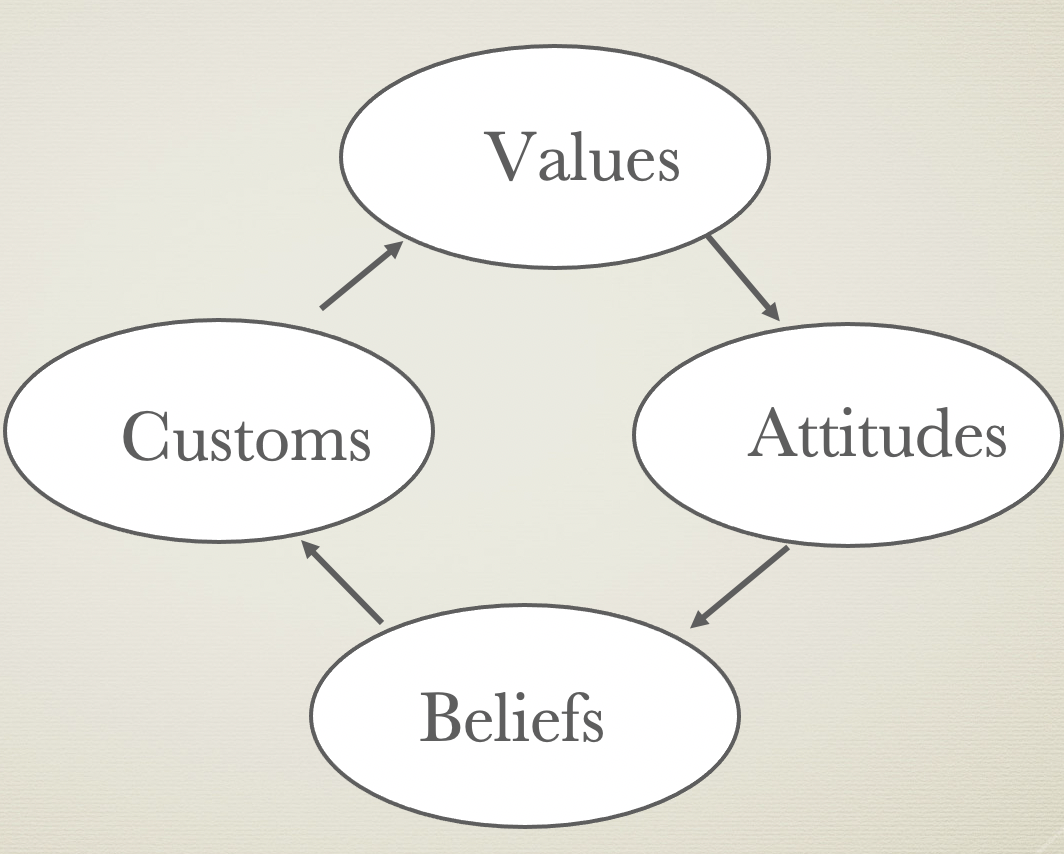
Culture profoundly influences how we perceive stress, how we respond to discomfort, how we express emotion, how we seek help, and even what we consider appropriate coping behavior. Many of the things we assume are “normal” are actually cultural patterns we absorbed so early that we rarely stop to examine them. Culture shapes our attitudes, customs, communication styles, values, rituals, expectations, and beliefs about how life should be lived (Chun et al., 2006).
This means stress is not experienced in a cultural vacuum.
The same situation may feel completely manageable to one person and deeply stressful to another depending on the cultural expectations they carry with them. Culture influences how we define success, independence, family responsibility, emotional expression, spirituality, personal space, aging, authority, grief, caregiving, and even politeness itself.
For example, imagine someone raised in a culture where prayer is woven naturally throughout daily life. Prayer may occur publicly, privately, spontaneously, communally, or multiple times throughout the day. It may function not only as religious expression, but also as emotional regulation, stress relief, grounding, identity, and social connection. Now imagine that person moving into a more secular environment where overt religious expression is viewed as private, unusual, disruptive, or inappropriate outside formal settings.
Suddenly, a coping strategy that once felt normal and supportive may become socially uncomfortable or institutionally restricted. The individual may feel judged, isolated, or pressured to suppress an important emotional and spiritual practice. At the same time, the surrounding culture may feel uncertain about how to respond or accommodate the behavior. This creates tension not because either side is necessarily malicious, but because cultural expectations collide (Lonner, 2007).
In many ways, cultural stress emerges when the “rules” we learned for navigating the world no longer match the environment we are currently in.
If you come from a culture built around predictability, tradition, and structure, rapid social change may feel deeply destabilizing. If you were raised in a highly individualistic culture that values personal freedom and self-expression, entering a rigid hierarchical environment where conformity and deference are expected may feel frustrating or emotionally restrictive. On the other hand, someone raised within a collectivist culture emphasizing family obligation, group harmony, and shared identity may experience Western individualism as isolating, emotionally cold, or self-centered.
Emotional expression is shaped culturally.
Some cultures encourage direct emotional communication and open discussion of stress. Others value emotional restraint, stoicism, privacy, or indirect communication. In certain environments, asking for help is viewed as healthy and adaptive. In others, it may feel shameful or weak. Some families openly discuss mental health, grief, and hardship. Others handle stress silently and privately, expecting individuals to simply endure.
This becomes especially important in healthcare and gerontology because providers often unconsciously interpret behavior through their own cultural lens. An older adult who avoids eye contact may not be confused or disengaged. In some cultures, prolonged eye contact with authority figures is considered disrespectful. A family insisting on collective healthcare decision-making may not be “controlling.” Their cultural framework may prioritize family interdependence rather than individual autonomy.
Physical touch varies culturally.
I was recently at a gathering where someone enthusiastically moved in to hug a newly arrived guest. The guest immediately stepped backward and gently said,
“I really like you, but I’m not a hugger.”
Now, that moment could have become awkward very quickly. The host could have interpreted the reaction as rejection or personal dislike. Instead, the guest paired the boundary with reassurance, clarifying that it was physical contact, not the relationship itself, that felt uncomfortable.
That tiny moment actually illustrates cultural communication beautifully.
The “hugger” valued touch and physical warmth as social connection. The guest valued personal space and bodily boundaries. Neither person was wrong. They simply operated from different comfort zones and learned expectations. Because the need was communicated clearly and respectfully, both people were able to adjust without unnecessary hurt feelings or conflict. The hugger still received social warmth through conversation, eye contact, and friendliness. The non-hugger maintained comfort and boundaries.
Human interaction constantly involves these small negotiations of culture, personality, boundaries, and expectation.
The important point is not that everyone must abandon their own cultural habits to accommodate everyone else constantly. That would be impossible. Rather, awareness matters. Communication matters. Flexibility matters. Sometimes people unintentionally create stress for others simply because they assume their own behavioral norms are universal.
This becomes even more significant across the lifespan because aging itself changes cultural expectations. Older adults may feel enormous stress when cultural values shift rapidly around gender roles, communication styles, technology, family structure, religion, sexuality, caregiving expectations, or social etiquette. Younger generations may simultaneously struggle to understand why older adults hold so tightly to traditions or social norms that feel outdated to them.
Both groups are responding from learned cultural frameworks.
In gerontology, cultural awareness becomes essential because stress, coping, caregiving, spirituality, communication, family responsibility, emotional expression, and aging itself are all culturally influenced experiences. There is no single “correct” way to cope, communicate, grieve, age, or express stress.
The healthiest approach is often not rigid agreement, but respectful awareness that other people may be carrying entirely different cultural maps for navigating the exact same human experience.
Creativity & Coping
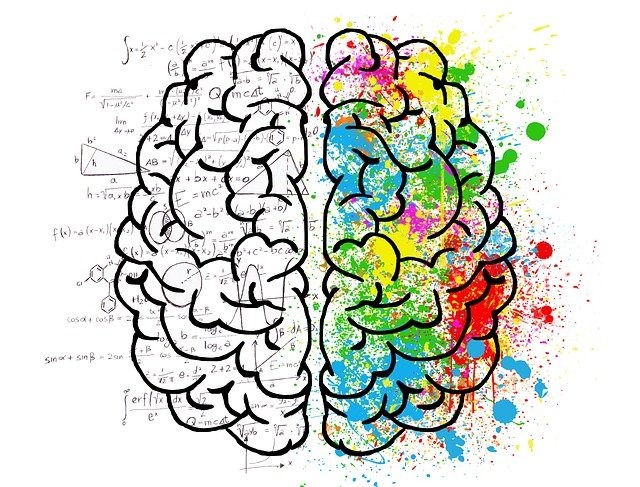
For a very long time, creativity was treated as a luxury rather than a necessity. The arts were viewed as enrichment, entertainment, or self-expression, but not as something essential to emotional regulation, stress management, cognitive health, or human thriving. Research over the past several decades has increasingly challenged that assumption. Creativity is not simply decorative to the human experience. For many people, it is restorative, organizing, regulating, and deeply tied to psychological well-being.
Historically, human beings have always used creative expression to cope with uncertainty, fear, grief, celebration, identity, and survival. We tell stories. We sing. We dance. We paint cave walls. We quilt. We carve. We write poetry no one else may ever read. We arrange flowers, decorate homes, restore cars, build gardens, redesign kitchens, cook elaborate meals, invent jokes, and hum to ourselves while folding laundry. Creativity is woven through human life far beyond museums and concert halls.
Research suggests that moments of deep creative engagement activate many of the same emotional and neurological reward systems associated with profound spiritual experiences. Creativity gives people a sense of meaning, transcendence, focus, emotional release, and wholeness that can be psychologically protective during periods of stress or instability (Coleman, 1998). In many ways, creativity feeds the same human need for connection and coherence that spirituality often does. It helps us make meaning out of chaos.
What makes creativity especially fascinating is that it exists in tension with stress itself.
Human beings often benefit from creativity most during periods of high stress, grief, uncertainty, or emotional overload. Yet ironically, stress also tends to shut creativity down. When the brain enters survival mode, it narrows attention toward immediate threat management rather than innovation, exploration, imagination, or play. A chronically stressed brain becomes efficient at vigilance, not wonder.
This creates an interesting paradox:
We need creativity to interrupt chronic stress patterns, but stress itself often convinces us we “do not have time” to be creative.
That tension is one reason creativity must often become intentional.
Research suggests that even brief periods of focused creative engagement can interrupt stress cycles and help regulate emotional overwhelm (Hoff & Buchholz, 1996). Creative acts shift attention away from repetitive stress loops and toward sensory engagement, imagination, movement, experimentation, or problem-solving. Creativity changes the brain’s focus. Instead of endlessly rehearsing the stressor, the mind temporarily reorganizes itself around making, building, imagining, solving, arranging, or expressing.
Importantly, creativity is not reserved for “artists.”
One of the greatest misconceptions about creativity is the belief that it only counts if it results in something publicly impressive or commercially valuable. Human beings hear the word creative and immediately imagine famous painters, musicians, writers, filmmakers, or inventors. In reality, creativity is fundamentally about adaptation, innovation, imagination, and flexible thinking.
Maintaining a long-term relationship requires creativity.
Parenting requires creativity.
Teaching a child to tie shoes requires creativity.
Cooking dinner from random leftovers at the end of the week requires creativity.
So does decorating a home, solving workplace problems, planning a road trip, planting a garden, designing a classroom, quilting, woodworking, journaling, restoring furniture, organizing a celebration, or figuring out how to get compression socks onto an unwilling eighty-seven-year-old man with opinions.
Creativity exists anywhere human beings rearrange the familiar into something meaningful, functional, expressive, or new.
This matters neurologically because repeated creative engagement strengthens neural pathways much like repeated emotional habits do. We build creativity through practice. The more often the brain engages in flexible thinking, experimentation, imagination, and sensory focus, the more accessible those pathways become over time. Eventually creativity becomes less of a rare event and more of a habitual orientation toward the world.
Interestingly, people vary enormously in the conditions that support their creativity. Some individuals are “pressure positive” and become highly innovative under deadlines or external demands. Others require quiet, spaciousness, solitude, or emotional safety before they can think creatively at all. Neither approach is inherently better. The important point is understanding what conditions allow your own mind to function most openly and effectively.
Research also shows that maintaining creative outlets outside of work is psychologically protective, even for people who genuinely love their professions (Ceci & Kumar, 2016). Human beings need spaces where identity is not tied entirely to productivity, obligation, caregiving, or performance evaluation. Sometimes creativity works precisely because it has no external purpose beyond enjoyment, curiosity, experimentation, or release.
One colleague once explained this beautifully to me:
“I love my job. It’s absolutely my calling. But every weekend I play paintball and drink terrible beer with my buddies for three hours. If I skip it, I’m tense all week.”
To outsiders, paintball may seem silly, chaotic, or unrelated to emotional health. To him, it was restorative. It disrupted stress patterns, shifted attention away from professional pressure, and activated an entirely different part of his identity. By Monday morning he returned lighter, more regulated, and ready to re-engage with work.
The creative outlet itself matters less than the emotional shift it creates.
And the good news for overwhelmed humans everywhere is that research suggests the shift does not necessarily require enormous amounts of time. Studies indicate that even brief periods of intentional creative focus can interrupt stress activation. Ten focused minutes of doodling, journaling, knitting, gardening, music, sketching, photography, crafting, or simply sitting quietly with a notebook may help regulate stress responses and reset cognitive overload.
Sometimes ten minutes is enough to stop the tiger.

Creativity and Learning
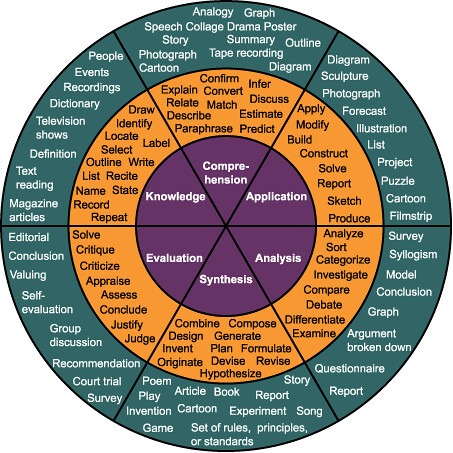
Creativity is also deeply connected to learning and cognitive development. One of the most influential educational frameworks for understanding this relationship is Bloom’s Taxonomy, developed in 1956 as a way to classify levels of human learning and cognition. Even if students have never heard the name before, they have experienced Bloom’s framework throughout nearly every educational environment they have ever entered.
Bloom’s Taxonomy proposes that learning develops progressively through several levels.
The most foundational level involves remembering. We memorize multiplication tables, vocabulary terms, historical dates, formulas, or the alphabet song. Once information is remembered, we move toward understanding, where we can explain concepts, summarize ideas, or organize information meaningfully.
From there, we begin applying knowledge to new situations. We use formulas to solve unfamiliar problems or apply concepts to real-world scenarios. As learning deepens further, we begin analyzing information by identifying relationships, evaluating systems, comparing ideas, or recognizing why something works or fails.
Eventually, learners develop the ability to evaluate information critically, making judgments, defending positions, interpreting evidence, or proposing improvements. The final and most complex stage of Bloom’s Taxonomy is creation itself. Creativity occurs when people synthesize everything they know, understand, apply, analyze, and evaluate in order to produce something original.
This becomes profoundly important in gerontology because aging does not eliminate the capacity for creativity or learning. As long as individuals retain the ability to remember, understand, apply, analyze, and evaluate information, the possibility for creativity remains alive.
In fact, some researchers argue that aging may actually support certain forms of creativity.
Creativity is not just for the Young
Contrary to the stereotype that creativity belongs primarily to the young, later life often brings tremendous stores of crystallized intelligence, accumulated experience, pattern recognition, emotional depth, and perspective. Older adults frequently possess broader contextual understanding because they have lived long enough to see connections younger people simply have not encountered yet.
Creativity researcher Gene Cohen and others found that many older adults become increasingly interested in creativity, self-expression, reflection, mentoring, storytelling, and innovation during later life. Creativity often shifts from performance-oriented expression toward meaning-making, integration, legacy, and psychological exploration.
Older adults also frequently use creativity as a tool for processing experiences and preserving identity. Journaling, painting, storytelling, quilting, woodworking, music, photography, writing memoirs, gardening, crafting, and artistic expression all help reinforce memory, emotional regulation, and cognitive engagement. The act of creating helps strengthen information processing and supports overall psychological well-being (Hannemann, 2006). Journaling in particular has been associated with increased resilience, self-reflection, emotional processing, and strengthened coping abilities (Brady & Sky, 2003).
Around the world, programs encouraging late-life creativity through music, storytelling, dance, visual arts, theater, and intergenerational projects have demonstrated benefits for mood, cognition, social engagement, and life satisfaction among older adults.
And perhaps most importantly, creativity in later life directly challenges one of society’s most destructive myths:
the idea that aging automatically means decline without possibility for growth.
History is filled with examples of extraordinary late-life creativity.
Creativity in Late Life
Some of us get started early in our relationship with creativity. Others take a bit longer, and that gives me great hope for the rest of us. In later life, we have accumulated such crystallized intelligence that we can start seeing connections that may not have been obvious to us during the years of generativity. We can shake them up and see them differently. Actually, if you are reading this college-level book, you have enough crystallized intelligence to do a bit of that shaking now. If we realign and make new connections, what amazing things might we be able to accomplish.
Older adults use creativity as tool for psychological expression and a way to process their experiences and stories. At any age, creativity gives us a sense of purpose and passion (Savishinsky, 2001) through fine arts, writing, music and other crafts. The act of being creative can reinforce connections for memory and information processing and improve mental fitness, (Hannemann, 2006) and ultimately improve our sense of well being. The process of journaling has been found particularly useful in reinforcing inner strength and capabilities. This act of introspective evaluation provides a platform for strengthening coping skills, exploring self discovery and nurturing the inner spirit. (Brady & Sky, 2003)
Countries around the world are recognizing the importance of late life creativity, and are developing programs that encourage older adults to participate and expand their inner worlds through art and music.
claude monet
Most of you will be familiar with Claude Monet. One of his most famous series was called Water Lilllies. He completed it between the ages of 56-86, from his home. What people don’t realize is that he was blind with cataracts when he created this great work. He completed some of his most famous in the series in his last three or four years of life.

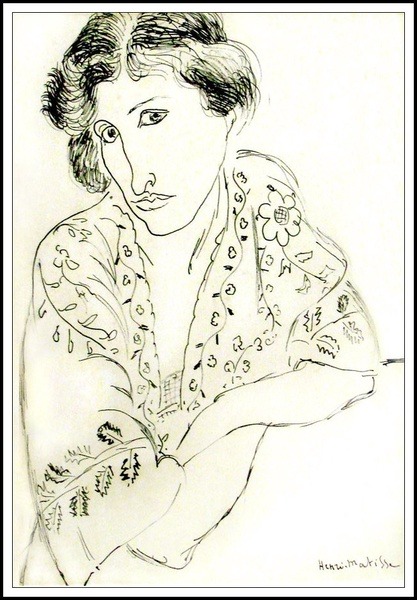
Henri mattise
Matisse was a contemporary artist, confined to a wheelchair during the last 10 years of his life. He did some of his most famous work when most people thought he was done. They didn’t believe that anyone could be creative if they were old and left alone, disabled.
georgia o'keefe
Georgia O’Keefe is recognized as the mother of American modernism. She specialized in Southwestern Art, but she had an absolutely historic series that she did of the inside of flowers. People all thought that it was erotic art, but really it was the stamens and pistils of the interiors of orchids, dahlias, and other big beautiful flowers. She lived to 98 and produced some of her most famous works in the last 10 years of her life.

Claes Oldenburg
If you’ve been to a Giant’s game, you’ve seen the work of Claes Oldenburg. He did the arrow & bow sculpture, "Cupid's Span," that is displayed in the field just outside of ATT&T Park in San Francisco. He was 84 years old at the time. No, he wasn’t up on scaffolding with a welding torch, but he did the design and supervised the artwork's construction and installation.

It’s not just painters, though. Consider Pharrell Williams. He was a successful music producer in his 40’s when he released “Happy.” The song kickstarted an entirely new chapter of his career, and this “newcomer” took the charts, and The Voice, by storm.
Writers are frequently over age 50 before they see their first bestseller. James Michener published 40 books after age 40. Raymond Chandler, who wrote “The Big Sleep,” and six other novels, didn’t publish his first until age 44. Harriet Door was in her sixties when she finished her education, and at 74 won the National Book Award. And Millard Kaufman, who developed the cartoon character Mr. Magoo, was 90 when he decided to write his first novel.
These examples matter because they remind us that creativity is not reserved for youth, perfect health, or uninterrupted productivity. Creativity is often the product of accumulated experience, persistence, adaptation, and the willingness to continue engaging with the world despite limitation, uncertainty, or age.

In many ways, creativity becomes one of the most powerful acts of resistance against stagnation and despair across the lifespan.
Human beings are healthiest when we continue imagining, experimenting, connecting, expressing, adapting, learning, and creating meaning from our experiences. Creativity is not merely a hobby. It is one of the ways people remain psychologically alive.