4.10 Sex and Intimacy
In my experience, there are three "uncomfortable conversations" in life - one about money, one about death, and one about sex. This one's the sex one. Yep, even in a class about human aging, we have to talk about sex. Moreover, we need to talk about intimacy and how important it is - AT ANY AGE - to have emotional and physical intimacy with another human being.
Before we move into a discussion about sexuality in later life, it is important to draw a clear distinction between sex and intimacy, because while they may overlap, they are not the same thing. Human beings can experience intimacy without sexuality, and sexuality without intimacy. Understanding the difference matters, particularly in a culture that often confuses physical access with emotional connection.
You may have read about Abraham Maslow in other courses, but I think the theory warrants a review here since sexuality is very much related to life satisfaction. Sex is considered, by Abraham Maslow, to be one of our most basic human needs.
“Sexual expression can be seen as a quality of life issue. Once survival needs are fulfilled, for example, for food and shelter, the needs for intimate relationships and feelings of being loved are vital. In fact, studies show that babies who are deprived of physical touch and emotional stimulation suffer serious gaps in emotional and physical development." (Abraham Maslow)
Intimacy refers to emotional closeness, trust, vulnerability, safety, affection, and mutual understanding. It can exist within friendships, family relationships, romantic partnerships, caregiving relationships, and long-term companionships. Intimacy is often built gradually through honesty, consistency, emotional reciprocity, shared experience, and trust. It is fundamentally about feeling emotionally known and emotionally safe with another person.
Sexuality, in contrast, refers to sexual expression, desire, behavior, attraction, and physical intimacy. Sexual behavior may occur within deeply loving relationships, casual encounters, long-term partnerships, or purely recreational situations. Human sexuality is diverse and highly individualized, and adults have the right to negotiate consensual sexual relationships in ways that align with their values, desires, and boundaries.
Sex Without Intimacy and Intimacy Without Sex
Modern culture frequently presents sex as something that can exist entirely separate from emotional intimacy, and for some individuals that arrangement works well. Casual sexual relationships, consensual recreational sex, and nontraditional relationship structures are realities within contemporary society.
At the same time, many people continue to seek emotional connection, trust, affection, and relational safety alongside sexual expression. Problems can emerge when individuals are never taught how to distinguish between physical behavior, emotional intimacy, healthy communication, consent, and performative sexual expectations shaped by media or peer culture.
Importantly, intimacy does not require sexual activity. Many individuals experience deep intimacy through companionship, caregiving, affection, shared routines, humor, conversation, touch, emotional safety, or mutual support. Particularly across later adulthood, intimacy may increasingly center on emotional closeness and connection rather than sexual performance alone.
Pornography, Sexual Scripts, and Cultural Expectations
Researchers and educators increasingly discuss how pornography and online sexual content shape expectations surrounding sexuality, relationships, consent, and communication, particularly among younger generations who may receive limited comprehensive sexual education elsewhere. Pornography is not designed to teach healthy emotional intimacy or relationship skills. It is entertainment, performance, fantasy, and commercial media.
When people mistake sexual performance for relational education, confusion can develop regarding what constitutes healthy, consensual, emotionally safe sexual interaction. Behaviors portrayed repeatedly online may begin to feel “normal” even when individuals themselves feel uncertain, uncomfortable, pressured, or emotionally disconnected from those experiences.
Consent, Communication, and Sexual Safety
One area of increasing concern involves the normalization of aggressive sexual behaviors, including choking or strangulation during sexual activity. It is important to state clearly that restricting another person’s breathing is not inherently an expression of intimacy or affection. It is a high-risk behavior involving power, control, and physical vulnerability that requires explicit consent, communication, trust, and mutual understanding.
Without those elements, behaviors involving dominance, restraint, pain, or physical risk can become coercive, frightening, dangerous, or traumatic. Healthy sexuality requires the ability to communicate openly about boundaries, comfort, safety, consent, and emotional needs.
Importantly, consensual kink, BDSM practices, role play, or alternative forms of sexual expression are not inherently unhealthy when practiced safely, consensually, and with clear communication between informed adults. However, these practices are not requirements for a healthy sex life, nor should individuals feel pressured to participate in behaviors that make them feel unsafe, degraded, emotionally disconnected, or uncomfortable.
The Role of Intimacy Across the Lifespan
Healthy sexuality involves far more than physical behavior alone. It involves communication, consent, respect, bodily autonomy, emotional awareness, and trust. Intimacy often deepens sexuality because emotional safety allows people to communicate honestly about desires, fears, health concerns, aging changes, and vulnerability.
At the same time, many individuals experience profound intimacy without sexual activity at all. Human beings crave connection in many forms, and sexuality represents only one part of the broader human need for attachment, affection, companionship, belonging, and emotional recognition across the lifespan.
Please read " Sex & Seniors - Seniors are still doing it" from the New Hampshire Magazine for a fun and enlightening expose on how older folk not only carry on having sex later in life, but they ENJOY IT!
 Welcome to the Taboo Lounge
Let's talk about sex and sexuality and explore what is fact, fiction, fantasy and reality. We know that the baby boomers are far more forthcoming and talking about their sexuality than their parents, but it's still largely taboo to talk about sex and older adults.
We know that seniors with high self-esteem have a high positive body image and have quite healthy sex lives. (Deacon & Plummer, 1995). That passion, that desire for togetherness – that doesn't change as you age. Most humans enjoy touch and really enjoy sexual gratification. The degree to which we want those things varies from person to person, but we do know that those with high sex drives in youth maintain that same desire into later life. Same for those with lower sex drives.
Society often views romance as something that's really for young people, and a lot of that comes back to the teachings of St. Augustine, who taught us that romance and sex were only mechanisms for reproduction. He believed it once we were old enough to not be able to reproduce, there was no need to have sex. There was certainly no need to talk about it!
It is a myth that physiological changes detrimentally affect how we function sexually. Even those who have chronic health problems and depression, and even those with some cognitive function, can achieve a certain level of sexual satisfaction. (Mulley, 2007). It just takes a little creativity!
Here are the three most common myths around sex and aging:
-
"Sex and being sexy is for younger people, not older people." When we are confronted with older adults' sexuality, we think it's funny or cute for old people to have sexual interests and behaviors.
-
Older people who are sexually active are often labeled as weird or deviant (he's a "dirty old man," or "she's got something wrong with her head."
-
Many think that older adults are unable to have sexual intercourse.
Because of these myths, people poke fun at the sexual activities of older people or the supposed loss. Stand-up comedians make jokes about old age and sexuality. For example, consider this joke.
Two statues, one of an old man and the other of an old woman, have been on an old building's entrance, facing each other for more than 100 years.
They are granted the wish of being human for 30 minutes. So they jump down and rush into the bushes.
The bushes shake, rattle, and roll.
After a few minutes, they come out.
The Fairy Godmother says, "You still have 10 minutes left."
The old couple look at each other, and the man asks, "Want to do it again?" The woman says, "Yes, but this time you hold down the pigeon and I'll poop on his head!
Why is this joke funny? Would it be as funny if the statues were young Romans aged 19 or 20? Probably not. It's funny because we can't imagine old people having sex...and if we do, it makes us uncomfortable.
Stereotypes of asexual behavior in older adults are ageist. These jokes affect older people. For example, older people seldom speak of enjoying sex for fear of ridicule.
Misinformation about older people and sexuality is passed from one generation to another. Today's older cohorts are more private about their sexual expression than younger cohorts -- can you imagine why?
Some of them were raised during a time when any form of sexual expression was not talked about openly. This attitude is left over from the repressive Victorian era (remember the society of women who proposed putting clothes on the legs of tables ?)
Inability to talk openly about sexuality results in ignorance. If we only get a little information regarding sexuality, how to express one's self, or what to expect in terms of performance in later life, how do we develop in a healthy way?
Take a moment to read "The Circles of Sexuality and Intimacy," published in 2019 by the American Society on Aging. Perhaps it will help give you some language to discuss healthy sexuality and aging.
It's More than Skin
"First, we should keep in mind that sex is not only a biological drive for pleasure and reproduction. It is also a powerful way for human beings to relate to one another and to express intimacy. " Porter and Holmes
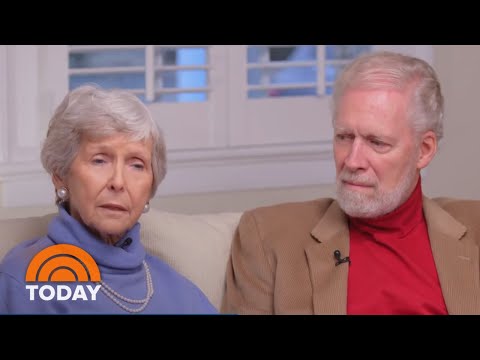
(Source: Today Show)
What is Sexuality?
Sexuality is far more than sexual intercourse or sexual behavior. It is a lifelong aspect of human identity that influences how people understand themselves, express affection, experience attraction, communicate intimacy, and interact socially and emotionally with others. Sexuality includes physical desire, emotional connection, sensuality, body image, gender identity, sexual orientation, relationship preferences, values, fantasies, and cultural beliefs surrounding intimacy and human connection.
Importantly, sexuality exists whether or not a person is currently sexually active. Human beings express sexuality in countless ways through appearance, flirtation, touch, emotional closeness, communication style, humor, affection, self-image, relationships, and personal identity. Sexuality is not something that suddenly “turns off” with age, illness, disability, widowhood, or changes in physical functioning. Rather, it evolves across the lifespan alongside the rest of human development.
Sexual identity and awareness often begin developing long before adulthood. Puberty may intensify sexual awareness biologically, but ideas about attraction, affection, gender roles, relationships, and body image are shaped much earlier through family systems, peer culture, religion, media exposure, social norms, and personal experience. Over time, sexuality continues adapting in response to health, aging, relationships, opportunity, culture, trauma, medication effects, disability, and changing life priorities.
Sexuality Across the Lifespan
One of the most persistent myths about aging is the assumption that older adults somehow become asexual. Research consistently demonstrates that this is false. Older adults continue to experience attraction, desire, intimacy needs, romantic attachment, fantasy, and sexual expression well into later life.
In fact, studies repeatedly show that individuals who were sexually active and comfortable with intimacy earlier in adulthood are more likely to remain sexually active later in life, particularly when emotionally close partners remain available. While the frequency or type of sexual behavior may change over time, the underlying need for affection, touch, connection, and intimacy often remains remarkably stable across the lifespan.
The largest predictor of continued sexual activity in later life is not necessarily age itself, but partner availability and overall health status. Many older adults remain sexually active well into their seventies, eighties, and beyond, although sexuality may look somewhat different than it did during younger adulthood.
Adapting to Physical Changes and Health Conditions
Like every other aspect of human aging, sexuality is influenced by physical changes, chronic illness, medications, disability, hormonal shifts, pain, fatigue, mobility limitations, cardiovascular conditions, and changes in sensory functioning. However, these changes do not automatically eliminate intimacy or sexual expression.
Sometimes people simply need to adapt how they express sexuality and intimacy. For example, individuals with significant cardiovascular disease may need to modify physical exertion levels associated with sexual activity. Arthritis, chronic pain, neurological disorders, respiratory illness, medication side effects, menopause, erectile changes, or surgical recovery may also require adjustments in sexual behavior, positioning, pacing, or expectations.
Adaptation does not mean the loss of sexuality. In many cases, older adults become highly creative and flexible in how they express intimacy, affection, sensuality, and connection. Couples often shift toward broader understandings of sexuality that emphasize touch, closeness, communication, sensual pleasure, emotional intimacy, and mutual comfort rather than narrowly defining sexuality through intercourse alone.
This adaptability is important because sexuality is not simply a mechanical behavior. It is deeply connected to identity, attachment, pleasure, emotional regulation, self-esteem, companionship, and quality of life.
The Influence of Culture, Beliefs, and Opportunity
Sexuality is also shaped by cultural norms, religious beliefs, generational expectations, gender roles, personal values, and access to relationships. Different cultures hold very different attitudes toward aging and sexuality. Some societies normalize affection, intimacy, and romantic partnership across the lifespan, while others stigmatize or erase sexuality among older adults entirely.
Many older adults grew up during periods when discussions of sexuality were highly restricted, particularly for women. Topics such as desire, sexual pleasure, consent, LGBTQIA+ identities, masturbation, menopause, erectile changes, or sexual dissatisfaction were often considered taboo. As a result, some older adults may carry shame, misinformation, silence, or discomfort surrounding sexuality into later life.
At the same time, newer generations are entering older adulthood with different expectations surrounding intimacy, gender equality, communication, and sexual autonomy. Researchers are increasingly recognizing that future cohorts of older adults may express sexuality very differently than previous generations because the broader culture surrounding sex and relationships has changed so dramatically.
Sexuality, Intimacy, and Human Connection
Ultimately, sexuality across the lifespan is best understood as part of the broader human need for intimacy, attachment, pleasure, affection, and emotional connection. Sexuality may change in form across adulthood and later life, but it remains an important dimension of human identity and well-being for many individuals.
Aging does not erase the desire to feel attractive, wanted, emotionally connected, touched, understood, or loved. In many ways, sexuality in later life becomes less about performance and more about connection, comfort, trust, adaptability, and shared humanity.
 Changes in Women (or anyone with ovaries)
Early sexuality research conducted by William H. Masters and Virginia E. Johnson found that women often experience more noticeable physiological changes in sexual functioning across midlife and later adulthood than men.
However, these changes do not mean the end of sexuality, intimacy, desire, or sexual satisfaction. Instead, female sexuality often evolves in response to hormonal shifts, aging processes, health status, relationship quality, emotional well-being, and cultural expectations surrounding women and aging.
One of the most significant biological transitions associated with female aging is the climacteric, the gradual process of reproductive aging that includes menopause. While many people casually use the word “menopause” to describe this entire transition, menopause itself technically refers to a specific point in time: the absence of menstruation for twelve consecutive months. The broader menopausal transition usually unfolds over many years and varies substantially from woman to woman.
Perimenopause: The Transitional Years
The transition toward menopause often begins during the 40s, although some women experience symptoms earlier or later. This stage is commonly referred to as perimenopause or pre-menopause. During this period, estrogen and progesterone levels begin fluctuating and gradually declining.
These hormonal changes can produce a wide range of physical and emotional symptoms, including:
-
Hot flashes
-
Night sweats
-
Sleep disruption
-
Headaches
-
Irregular menstrual cycles
-
Mood fluctuations
-
Anxiety or irritability
-
Fatigue
-
Brain fog or concentration difficulties
-
Changes in libido
-
Joint pain or body aches
Importantly, the menopausal transition is highly individualized. Some women experience relatively mild symptoms, while others describe profound disruptions to sleep, mood, cognition, energy levels, and overall quality of life. Cultural attitudes toward menopause also influence how women interpret and respond to these changes. In some societies, menopause is viewed as a respected transition into a new life stage, while in others it is framed almost entirely through loss, decline, or invisibility.
Menopause itself occurs when menstrual periods become increasingly irregular and eventually cease entirely. Although the average age of menopause in the United States is approximately 51, normal timing varies considerably. Some women stop menstruating in their early 40s, while others continue having menstrual cycles into their mid-50s.
It is important to recognize that ovulation may continue intermittently during this transition, meaning pregnancy can still occur until menopause is fully complete. This is one reason healthcare providers continue recommending contraception during the perimenopausal period for sexually active individuals who wish to avoid pregnancy. Occasionally, pregnancies occurring during this stage are informally referred to as “menopause babies.”
For some women, menopause brings relief from menstruation, contraception concerns, severe PMS symptoms, or reproductive expectations. Others experience grief surrounding fertility loss, aging, body changes, or shifting identity. Emotional responses to menopause are deeply influenced by personal meaning, culture, health, family history, and relationship experiences.
Post-Menopause and Physical Changes
Following menopause, women continue experiencing gradual physiological changes associated with lower estrogen levels. These changes affect many body systems, including skin, bone density, cardiovascular health, urinary functioning, and sexual functioning.
Within the reproductive system, common changes may include:
-
Thinning of the vaginal walls
-
Reduced elasticity of vaginal tissue
-
Vaginal dryness or reduced lubrication
-
Narrowing of the vaginal opening (introitus)
-
Increased discomfort during intercourse
-
Changes in pelvic floor strength
These changes can make sexual activity uncomfortable or painful if not addressed appropriately. Fortunately, a wide range of interventions now exist, including lubricants, moisturizers, pelvic floor therapy, hormonal treatments, localized estrogen therapy, and medical consultation regarding sexual pain or dysfunction.
Post-menopausal hormonal shifts also contribute to broader body changes. Skin may become thinner and less elastic because estrogen plays a role in collagen production and moisture retention. Many women notice increased wrinkling, dryness, facial changes, or altered fat distribution. Breast tissue often becomes less dense, resulting in changes in firmness and shape. Bone density may also decline, increasing risk for osteoporosis over time.
These visible changes occur within cultures that heavily emphasize youthful appearance in women, which can contribute to anxiety, shame, body dissatisfaction, or fears surrounding desirability and aging.
Cultural Myths About Older Women and Sexuality
In addition to physical changes, many women carry lifelong cultural messages surrounding sexuality, aging, and gender roles. Earlier generations of women were often socialized within restrictive sexual frameworks that discouraged open discussion of desire, pleasure, or sexual autonomy. Researchers such as Bernice Neugarten noted that many women internalized myths surrounding sexuality and aging that later contributed to shame, silence, or sexual dysfunction. (Neugarten et al., 1963)
-
Sex exists primarily for reproduction
-
Women should not openly express sexual desire
-
Older adults are “too old” for sexuality
-
Men naturally desire sex more than women
-
Sexual desire after menopause is inappropriate or unnatural
-
Aging women are no longer attractive or desirable
These beliefs can strongly influence self-image, relationship dynamics, sexual confidence, and willingness to seek information or healthcare support. Many women entering later adulthood today are actively challenging these stereotypes and redefining sexuality on their own terms.
Changes in Sexual Response and Intimacy
Hormonal and physiological changes may alter sexual response patterns in later life, but these changes do not eliminate the capacity for pleasure or intimacy. Many women notice that arousal may occur more gradually, and the pre-orgasmic phase, the period during which sexual tension builds, may become longer.
This slower pace is not inherently negative. In fact, many couples report that later-life sexuality becomes less focused on urgency or performance and more focused on touch, closeness, emotional connection, communication, sensuality, and mutual enjoyment. Longer periods of affection, stimulation, hugging, kissing, and emotional intimacy may become increasingly important and satisfying.
Many women also report feeling freer sexually after menopause because concerns surrounding pregnancy diminish and social expectations shift. Later-life sexuality may become more exploratory, emotionally honest, and relationally focused than earlier sexual experiences shaped by youth, performance anxiety, or reproductive expectations.
Hormone Replacement Therapy (HRT)
Some physicians recommend hormone replacement therapy (HRT), also called menopausal hormone therapy, to help reduce symptoms associated with menopause. HRT typically involves low doses of estrogen, progesterone, or combinations of hormones delivered through pills, patches, creams, gels, rings, or suppositories.
Hormone therapy may help reduce:
-
Hot flashes
-
Night sweats
-
Vaginal dryness
-
Sleep disruption
-
Bone density loss
-
Some mood-related symptoms
However, HRT is not appropriate for everyone. Research over the past several decades has demonstrated that hormone therapy may increase certain health risks in some individuals, including risks related to breast cancer, blood clots, stroke, or cardiovascular disease depending on personal and family medical history. Current medical recommendations generally emphasize individualized decision-making using the lowest effective dose for the shortest appropriate duration when treatment is indicated.
Each woman must weigh potential benefits and risks alongside her healthcare provider based on personal health history, family history, symptom severity, and personal preferences. Some women are excellent candidates for hormone therapy, while others may need or prefer nonhormonal approaches to symptom management.
Aging, Sexuality, and Adaptation
Perhaps most importantly, menopause does not mark the end of womanhood, intimacy, desirability, or sexuality. It marks a biological transition, not a social expiration date. Women continue forming relationships, dating, remarrying, experiencing desire, expressing sexuality, and seeking intimacy throughout later adulthood.
Like many aspects of aging, sexuality often requires adaptation rather than abandonment. Emotional intimacy, communication, flexibility, humor, creativity, self-awareness, and mutual respect become increasingly important components of satisfying sexual relationships across the lifespan.


 And the Men (or anyone with testes)
While discussions of aging and sexuality often focus heavily on menopause and female reproductive aging, men also experience important physiological and psychological changes across midlife and later adulthood.
These changes tend to occur more gradually than they do for women, which sometimes creates the false impression that male sexuality remains entirely unchanged with age. In reality, male sexual functioning evolves throughout the lifespan in response to hormonal shifts, cardiovascular health, medications, stress, chronic illness, emotional well-being, and relationship quality.
Unlike women, who experience a relatively defined reproductive transition through menopause, men do not typically experience an abrupt end to fertility. Testosterone levels decline gradually over time rather than stopping suddenly. Sperm production also decreases more slowly, and many men remain capable of fathering children well into later life. Research suggests that even at advanced ages, men may retain significant fertility potential, although fertility generally decreases with age. (Zitzmann, 2013)
Normal Changes in Sexual Functioning
Many physiological changes associated with male aging are completely normal and do not necessarily indicate dysfunction or disease. However, because cultural expectations surrounding masculinity often emphasize sexual performance, some men experience significant anxiety or shame about changes that are actually common aspects of aging.
As men age, they may notice:
-
Longer time required to achieve erection
-
Less immediate urgency surrounding ejaculation
-
Increased ejaculatory control
-
Erections that are less firm than during younger adulthood
-
Longer recovery periods after orgasm
-
More gradual arousal patterns
One of the most significant changes is the resolution phase, the recovery period following ejaculation during which another erection may not be physically possible. In younger men this phase may last minutes, while in older adulthood it may last 12 to 24 hours or longer. (Glass et al., 2000) Many men also notice that the penis becomes flaccid more quickly following orgasm.
Importantly, these changes are not inherently negative. In some relationships, the slowing of sexual response may reduce performance pressure and encourage greater focus on intimacy, communication, touch, sensuality, and mutual pleasure rather than speed or performance. Couples who understand these physiological changes are often better able to adapt sexually and emotionally over time.
There are special concerns for men
The Role of the Prostate Gland
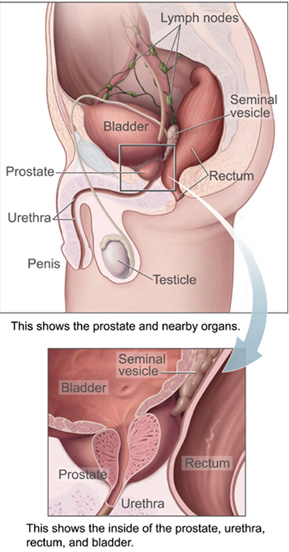
One of the most common health concerns affecting aging men involves the prostate gland. The prostate sits beneath the bladder and surrounds the urethra, the tube through which urine exits the body. The gland produces fluid that helps sperm survive within semen.
As men age, the prostate commonly enlarges, a condition known as benign prostatic hyperplasia (BPH). Enlargement itself is usually not cancerous, but it can create uncomfortable urinary symptoms such as:
-
Difficulty starting urination
-
Weak urinary stream
-
Increased frequency of urination
-
Nighttime urination
-
Incomplete bladder emptying
-
Urgency or dribbling
Because prostate enlargement and prostate cancer may produce similar symptoms, healthcare providers generally recommend medical evaluation for significant urinary changes. Enlargement does not automatically mean cancer, but it should not be ignored.
If enlargement significantly obstructs urination, physicians may recommend medications or procedures such as transurethral resection of the prostate (TURP), in which instruments are inserted through the urethra to remove excess prostate tissue and improve urinary flow.
Prostate cancer risk increases significantly during middle and later adulthood, with highest rates generally occurring between ages 60 and 80. Researchers still do not fully understand the causes of prostate cancer, although age, genetics, race, family history, and hormonal factors all appear to play roles.
Erectile Dysfunction and Male Sexual Health
One of the most emotionally charged topics surrounding male aging and sexuality is erectile dysfunction (ED). Erectile dysfunction refers to persistent difficulty achieving or maintaining an erection sufficient for sexual activity. Occasional erection difficulties are extremely common across adulthood and do not automatically indicate permanent dysfunction.
In fact, nearly all men will experience temporary erection difficulties at some point due to factors such as stress, fatigue, anxiety, illness, medication effects, alcohol use, or emotional distress. Unfortunately, cultural messages surrounding masculinity often cause men to interpret these experiences as evidence of inadequacy, failure, or loss of identity.
Before medications such as Viagra became widely available, severe erectile problems were often treated through penile implants or prosthetic devices. These treatments are still used today in some cases involving nerve damage, vascular injury, or severe erectile dysfunction that does not respond to medication.
Modern treatments for ED may include:
-
Oral medications
-
Hormonal evaluation
-
Lifestyle changes
-
Cardiovascular assessment
-
Counseling or sex therapy
-
Pelvic health interventions
-
Mechanical or surgical devices
Importantly, erectile dysfunction is often closely connected to broader physical health. Because erections depend heavily on healthy blood flow, vascular changes may appear sexually before more serious cardiovascular symptoms emerge elsewhere in the body. For this reason, ED can sometimes function as an early warning sign of underlying health concerns.
Factors That Influence Erectile Function
Many conditions and substances can affect erectile functioning and sexual response, including:
-
Diabetes
-
Cardiovascular disease
-
High blood pressure
-
Obesity
-
Chronic stress
-
Depression or anxiety
-
Arthritis or chronic pain
-
Alcohol use
-
Marijuana or recreational drug use
-
Antidepressants
-
Antihistamines
-
Sedatives
-
Blood pressure medications
-
Chronic illness or fatigue
Psychological factors also play a major role. Stress, grief, fear of aging, performance anxiety, relationship conflict, body image concerns, and chronic illness can significantly affect sexual confidence and responsiveness. Many men closely associate sexual functioning with masculinity and self-worth, meaning that sexual changes may trigger fears surrounding aging, desirability, independence, or identity.
Masculinity, Aging, and Adaptation
Like women, men often receive powerful cultural messages linking attractiveness and value to youth, physical performance, and sexual capability. These messages can make normal aging changes feel frightening or shameful. However, aging sexuality is not simply about maintaining youthful function indefinitely. It is about adaptation, communication, flexibility, and maintaining intimacy across changing bodies and life circumstances.
Many older men continue to experience desire, intimacy, emotional connection, fantasy, and satisfying sexual relationships throughout later adulthood. In many cases, later-life sexuality becomes less focused on performance and more centered on emotional closeness, sensuality, companionship, communication, humor, and mutual understanding.
Healthy sexuality in later life depends less on perfection and more on adaptation, honesty, emotional safety, and the ability to navigate changing bodies with compassion rather than shame.
So, What is "Normal?"
So what is “normal” when it comes to sexuality and aging? Research consistently shows that while the frequency or intensity of sexual activity may change across the lifespan, desire, intimacy, arousal, and the capacity for sexual expression often remain remarkably stable, with the greatest limitation in later life being health challenges or the absence of an available partner rather than a disappearance of sexuality itself.
When Alfred Kinsey did his research, he found that while strenuous sexual activity decline with age, desire and capacity did not. Masters and Johnson found that while the sexual response cycle may slow, it does not stop. They found the developmental changes in our body and our brains do not diminish our desire or arousal. The Duke Longitudinal study found patterns to be very similar to the young. Some people have a higher sex drive; other people have lower ones. The people who have a higher sex drive but a lower level of sexual activity usually correlate their lack of activity to health issues, not desire. According to the Starr-Weiner Report on Sexuality in the Mature Years , elders remain interested and active and report that their sexual behaviors and their intimacy levels improve with time. The biggest factor to negatively impact sexual behavior later in life is the absence of an available partner. I recently found a book, by David & Michael Stone, titled "Sex May Be Wasted on the Young," and more books on sexuality in later life are being published every month.
What is sexual behavior? Well, I suppose that depends on your threshold. For some of us, sexuality is vigorous intercourse or genital stimulation. For others, it is masturbation or use of sex toys. What is “normal” ranges from high frequency/high intensity to low frequency/low intensity. It is highly dependent on levels of desire and physical ability. Research measuring sexual activity shows that older adults engaged in sexual behavior once a week or more in the last six months. Respondents report hugging and kissing, sexual touching and caressing, sexual intercourse, self-stimulation, and oral sex. (Zeiss & Kasi-Godley, 2001)

Invisible Sexuality
One of the greatest challenges surrounding sexuality and aging is that older adults’ sexuality is often treated as invisible. Part of this invisibility stems from the belief that sexuality is private and should not be openly discussed. However, another major factor is cultural ageism, the assumption that sexuality belongs primarily to the young.
Many societies strongly associate attractiveness, desire, romance, and sexual expression with youthfulness. As people age, they are often subtly or directly sent the message that sexuality is no longer appropriate, desirable, or relevant. Older adults may be viewed as “cute” together, but not sexual. Affection may be tolerated, while desire itself becomes uncomfortable for others to acknowledge.
This creates a powerful social contradiction. Human beings do not suddenly lose the need for touch, intimacy, attraction, affection, or companionship simply because they reach a certain birthday. Yet culturally, older adults are often expected to quietly “retire” from sexuality altogether.
Why Older Adult Sexuality Makes People Uncomfortable
For many people, discomfort surrounding later-life sexuality becomes especially obvious when considering parents or grandparents. Adult children frequently struggle with the idea that older family members continue to have romantic or sexual relationships. Healthcare workers, long-term care staff, and even family caregivers may also feel uncomfortable acknowledging sexual expression among older adults.
This discomfort often has less to do with older adults themselves and more to do with society’s difficulty separating aging from decline, dependency, or desexualization. Many people unconsciously prefer to imagine older adults as caregivers, grandparents, patients, or authority figures rather than as sexually autonomous human beings.
As a result, older adults may feel pressure to hide relationships, avoid discussing intimacy, or minimize their desires to avoid judgment, embarrassment, ridicule, or family conflict.
Sexuality in Long-Term Care and Assisted Living
The invisibility of sexuality becomes particularly complicated within assisted living communities, nursing homes, and long-term care facilities. Residents continue to form romantic attachments, emotional bonds, and sexual relationships, even in highly structured care environments. However, facilities often struggle to balance resident autonomy, privacy, cognitive status, safety, family expectations, and institutional liability.
Historically, many facilities controlled or discouraged resident relationships, particularly among individuals with cognitive impairment or dementia. Staff members may interrupt intimacy, separate couples, or avoid addressing sexuality altogether because of discomfort, fear of family reactions, or uncertainty about consent and capacity.
Yet researchers increasingly argue that intimacy, affection, touch, and companionship remain important quality-of-life issues throughout the lifespan, including in long-term care environments. For some residents, holding hands, cuddling, flirting, kissing, or maintaining romantic connection may be among the few remaining forms of emotional intimacy available to them.
This creates important ethical questions surrounding autonomy, consent, dignity, privacy, and the right to emotional connection in later life.
Secrecy, Stigma, and Hidden Relationships
Because of social stigma, many older adults manage relationships quietly or discreetly to avoid family conflict or social judgment. Some older couples intentionally avoid remarriage because of financial concerns, inheritance issues, pension loss, or adult children’s reactions. Others maintain separate residences while functioning essentially as long-term partners.
I have heard stories of older couples maintaining side-by-side apartments specifically so adult children believe they still live independently. Cell phones make it even easier to preserve the appearance of separate households while maintaining an intimate partnership privately.
In many ways, this secrecy reflects the broader cultural discomfort surrounding older adult sexuality. Rather than being openly acknowledged as normal human behavior, intimacy later in life is often pushed into the shadows where it becomes hidden, minimized, or treated as somehow inappropriate.
Aging Does Not Erase Sexual Identity
Perhaps the most important point to understand is that aging does not erase sexual identity. Older adults remain fully human, with needs for affection, touch, intimacy, companionship, attraction, pleasure, and emotional closeness. The forms sexuality takes may evolve with health, opportunity, relationships, and aging bodies, but the desire for connection remains deeply human across the lifespan.
The invisibility of older adult sexuality says far more about cultural discomfort with aging than it does about older adults themselves.
Non-Hetero Sexuality
According to the American Psychological Association, millions of adults over age 65 in the United States identify as lesbian, gay, bisexual, transgender, or queer/questioning (LGBTQ+), and those numbers are expected to increase substantially as younger generations age.
Researchers and healthcare professionals have increasingly begun examining the experiences of LGBTQ+ older adults, particularly in the areas of relationships, intimacy, sexuality, caregiving, and long-term well-being. Like heterosexual adults, LGBTQ+ older adults form long-term partnerships, friendships, caregiving relationships, and social support networks that contribute significantly to emotional and physical quality of life.
At the same time, many LGBTQ+ older adults grew up during periods when discussions of sexuality were extremely limited, particularly regarding same-sex attraction, gender identity, or nontraditional relationships. If heterosexual sex education has historically been incomplete or uncomfortable within many cultures, education surrounding LGBTQ+ sexuality was often nearly absent altogether. Many older LGBTQ+ adults entered adulthood with little reliable information about relationships, intimacy, sexual health, or emotional connection that reflected their own experiences.
This lack of education created unique challenges surrounding identity development, intimacy, communication, and sexual expression across the lifespan. Without visible role models or accurate educational materials, many individuals were left to navigate relationships and sexuality largely on their own. Some concealed their identities for years or decades, which could complicate later-life conversations surrounding partnership, caregiving, sexual health, and emotional intimacy.
Research on LGBTQ+ Relationships and Intimacy
Research on LGBTQ+ relationships expanded more significantly beginning in the 1980s and 1990s. Early studies often compared lesbian, gay male, and heterosexual couples in attempts to understand relationship stability, communication patterns, intimacy, and sexual expression.
Some studies suggested that lesbian couples reported less frequent sexual activity over time compared to heterosexual or gay male couples, leading to the controversial phrase “lesbian bed death.” However, later researchers criticized many of these studies for relying on narrow definitions of sexuality and for assuming that relationship satisfaction should be measured primarily through frequency of intercourse.
Researchers now recognize that intimacy and relationship satisfaction involve much more than sexual frequency alone. Emotional closeness, companionship, affection, touch, caregiving, communication, trust, humor, and shared life experience all contribute to long-term relational well-being across populations. Many LGBTQ+ older adults describe intimacy in broad and meaningful ways that extend beyond traditional assumptions about sexual behavior.
Sexuality, Aging, and Healthcare Barriers
LGBTQ+ older adults may also face barriers related to sexual health education and healthcare access later in life. Many healthcare providers historically received little training regarding LGBTQ+ aging, sexuality, or relationship dynamics. As a result, older adults may hesitate to discuss sexual concerns, relationship issues, hormone use, HIV prevention, intimacy challenges, or caregiving needs with providers if they fear discomfort, misunderstanding, or judgment.
This can become particularly important in later life because aging-related changes affect all populations, including LGBTQ+ individuals. Concerns involving menopause, erectile dysfunction, medication effects, chronic illness, HIV aging, sexual pain, body image, and changing intimacy patterns remain important components of healthy aging conversations.
Researchers increasingly emphasize that sexuality and intimacy remain important aspects of identity and quality of life throughout the lifespan, regardless of orientation or gender identity. Older LGBTQ+ adults, like all older adults, benefit from environments where relationships, intimacy, emotional connection, and sexual health can be discussed openly, respectfully, and without shame.
Keeping it Safe
If you were born after the early 1980s, you likely grew up hearing conversations about safer sex practices, condom use, HIV/AIDS awareness, and sexually transmitted infections (STIs). Public health campaigns, school programs, media coverage, and cultural conversations made sexual health a visible part of young adulthood for many generations.
What often surprises students is that sexually transmitted infections among older adults are increasing rapidly. Rates of infections such as syphilis, gonorrhea, chlamydia, herpes simplex virus, hepatitis B, human papillomavirus (HPV), and HIV have risen significantly among adults over age 55 in recent decades. Older adults now account for a growing percentage of both new HIV diagnoses and HIV-related deaths.
Why is this happening? Researchers suggest several overlapping explanations.
Why STI Rates Are Increasing Among Older Adults
Lack of Routine Screening
One major factor is that older adults are often not routinely screened for sexually transmitted infections. Healthcare providers may incorrectly assume older adults are not sexually active, and patients themselves may not think to request testing. As a result, infections may go undiagnosed for long periods of time.
Many older adults also grew up during periods when sexual health education focused heavily on pregnancy prevention rather than STI prevention. If pregnancy is no longer a concern after menopause or sterilization, condom use may decline significantly even when individuals have new or multiple partners following widowhood, divorce, or repartnering.
Biological Changes and Increased Vulnerability
Normal aging-related physiological changes may also increase vulnerability to infection. Changes in immune functioning can make it more difficult for the body to fight infections effectively. In post-menopausal women, thinning vaginal tissue and decreased lubrication may increase the likelihood of small tears during intercourse, which can increase susceptibility to infection transmission.
Chronic illness, medication use, and reduced immune response may further complicate sexual health risks in later adulthood.
More Opportunity for Sexual Activity Later in Life
Ironically, some of the same medical advances that improve quality of life have also increased opportunities for sexual activity later in adulthood. Erectile dysfunction medications, hormone replacement therapies, lubricants, and improved cardiovascular and chronic disease management allow many adults to remain sexually active much longer than previous generations.
This is not inherently a negative development. Continued intimacy and sexuality can contribute significantly to emotional well-being, relationship satisfaction, and quality of life. However, safer sex education has not always evolved alongside these medical advances.
Many older adults simply were never included in public conversations about STI prevention because sexuality in later life was historically ignored or treated as nonexistent.
Misunderstandings About STI Transmission
Another issue involves misunderstanding how infections are transmitted. Some individuals incorrectly assume that oral sex or anal sex carries little or no risk for sexually transmitted infections. In reality, many infections can be transmitted through oral, anal, and genital sexual contact.
Additionally, because some STIs may remain asymptomatic for long periods of time, individuals may unknowingly transmit infections without realizing they are infected. This makes regular healthcare discussions and appropriate screening increasingly important for sexually active adults of all ages.
The Importance of Communication and Consent
Healthy sexuality in later life includes more than physical safety alone. It also involves communication, consent, honesty, and mutual responsibility. Conversations about STI testing, condom use, sexual history, monogamy, boundaries, and expectations may feel awkward for many people, particularly those who did not grow up discussing sexuality openly. However, these conversations are part of responsible adult intimacy.
As divorce rates rise and more adults enter new relationships after widowhood or long-term partnership, sexual health education becomes increasingly important throughout the lifespan, not just during adolescence or young adulthood.
Sexual Health Is Part of Healthy Aging
One of the most important points to remember is that sexual health remains part of overall health. Older adults are not “too old” to require sexual health information, STI prevention education, or open conversations with healthcare providers.
As society becomes more willing to acknowledge sexuality in later life, conversations surrounding intimacy must also include discussions about safer sex practices, healthcare access, consent, communication, and emotional well-being. Healthy aging includes the ability to sustain relationships and intimacy safely, respectfully, and with accurate information across the lifespan.
Please watch this video:

(Source: TedX Talks)
What Can I Do?
You can do things on your own to maintain an active and enjoyable sex life across the lifecourse. If you have a long-term partner, take time to enjoy each other and to understand the changes you both are facing.
Don't be afraid to talk with your doctor if you have a problem that affects your sex life. He or she may be able to suggest a treatment. For example, the most common sexual difficulty of older women is painful intercourse caused by vaginal dryness. Your doctor or a pharmacist can suggest over-the-counter vaginal lubricants or moisturizers to use. Water-based lubricants are helpful when needed to make sex more comfortable. Moisturizers are used on a regular basis, every 2 or 3 days. Or, your doctor might suggest a form of vaginal estrogen.
If ED is the problem, it can often be managed and perhaps even reversed with medication or other treatments. There are pills that can help. They should not be used by men taking medicines containing nitrates, such as nitroglycerin. The pills do have possible side effects. Be wary of any dietary or herbal supplements promising to treat ED. Always talk to your doctor before taking any herb or supplement.
Physical problems can change your sex life as you get older. If you are single, dating and meeting new people may be easier later in life when you're more sure of yourself and what you want. If you're in a relationship, you and your partner may discover new ways to be together as you get older. Talk to your partner or partners about your needs. You may find that affection—hugging, kissing, touching, and spending time together—can be just what you need, or a path to greater intimacy and sex.
and the final thought....
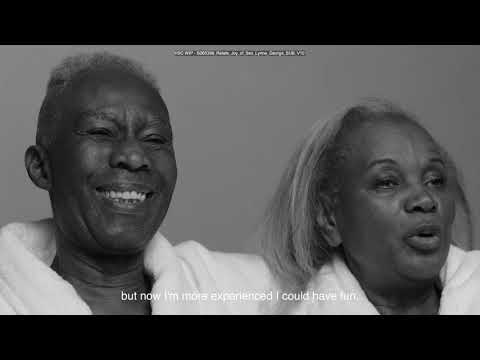
(Source: Sexual Life)
Like adults of all ages, older adults desire to continue sharing their life in a fulfilling intimate relationship. Lack of the ability to intimately express oneself is often associated with despondency and depression. Many older adults are as active today as they were in their younger years. This includes enjoying intimate relationships. A healthy intimate relationship can positively affect all aspects of life, including physical health and self-esteem.
Once our survival needs are met, no single aspect of our lives contributes more to our satisfaction with life or to our sense of psychological wellbeing than our intimate relationships.
Intimacy refers to a distinctively close level of communication between two people. Intimacy may be reflected in confiding or candid talk; meaningful shared silences; mutually enjoyed activities; or of course in sexual interaction. But "intimacy" is not a synonym for sex; rather, it should suggest the idea that sex is potentially a unique type of communication.
In an intimate or close relationship, you feel free to be yourself, to care for another person, to ask for what you need. These are the relationships that contribute to our happiness or, when they go wrong or fail, to our misery. Intimacy is also thought of as companionship and associated with emotional bonding.
Intimacy is a "warm friendship," while sexuality is the use of words, gestures, movements or activities that attempt to display physical affection. Sexual activity in healthy relationships helps people to stay in good physical condition and helps to reduce physical and psychological stress.
Facts EVERYONE should know about aging and intimacy:
- As one ages, the amount of sexual activity generally decreases, however, the amount of sexual interest and ability remains fairly constant.
- If one's sexuality is constant throughout life, the biological changes associated with aging are less pronounced and sexuality is usually less affected.
- Understanding that sexuality is normal and natural for older adults is important to realizing one's own sexuality and becoming more comfortable with sexuality.
- "Sexual health" can benefit an older adult's overall health. The physical exertion associated with sex is nearly the equivalent of walking up two flights of stairs. With this in mind, it is easy to understand that sex for the patient of a heart operation would rarely be dangerous.
- If you have concerns related to health and sexual function (including drug interactions, chronic health problems, or surgical procedures), discuss these concerns with your physician or seek counseling and education from a therapist.
- A healthy diet and regular exercise keep your body finely tuned. This will keep you ready for sex at any age. Eat a balanced diet with plenty of fruits and vegetables. Exercise for at least 30 minutes a day, most days of the week. Avoid alcohol, as excessive use decreases sexual function in both men and women.
It doesn't matter how old we are, humans need intimacy and social bonds with others. As we age, our ability to connect with our family and friends may be reduced, because of limited transportation or distance. The advent of technology has made great strides to enable a level of interaction and connectivity, and aging Americans can look forward to years of Zoom, e-mail and Facebook. However, these technological tools do not substitute for human touch. There is a direct link between life satisfaction and the quality of our human interactions. The importance of friends, intergenerational relationships with children and grandchildren, and the support and shared stories of siblings, all contribute to the well-being of the older adult. Our kin, whether ascribed or achieved, stay vitally important to us. Our church and other social outlets remain important to our sense of well being. Whether we are single or married, our desire for intimacy and connectedness, and even sexuality remains a part of our life-satisfaction. Being intimate, being touched and cared for are profoundly important and we take our sexual identify with us into later life. Regardless of our living arrangements, our marital status or our sexual orientation, our need to be connected remains a part of how we define ourselves regardless of age.