2.3 Normal Aging, Secondary Aging, and Physiological Vulnerability
Introducing Secondary Aging
(Fair warning - this lecture is long)
Up to this point, we have focused primarily on primary aging, the gradual and largely universal physiological changes associated with normal human aging. Many of these changes are inconvenient, frustrating, emotionally loaded, or highly visible, but they are not necessarily signs of disease.
At the same time, real human aging rarely occurs in perfectly healthy laboratory conditions.
Bodies experience injury, chronic stress, environmental exposure, illness, inflammation, trauma, infection, poor nutrition, occupational wear and tear, limited healthcare access, and chronic disease across the lifecourse. These influences can accelerate decline, reduce physiological reserve, and interfere with the body’s ability to compensate and adapt.
This is where we move into the concept of secondary aging.
Secondary aging refers to the physical and cognitive changes caused not simply by time itself, but by disease, lifestyle, environmental exposure, or pathological processes that alter normal functioning. In many cases, these conditions become more common with age, but they are not considered inevitable consequences of growing older.
Understanding the difference between primary and secondary aging is one of the most important concepts in gerontology because it helps us separate:
- normal physiological change from disease
- stereotype from reality
- prevention from inevitability
- adaptation from pathology
In the next lecture, we will examine what happens when aging bodies begin facing chronic illness, cardiovascular disease, metabolic disorders, cancer, osteoporosis, neurocognitive illness, and other conditions that complicate the aging process and challenge physiological reserve across time.

The Body Loses Physiological Reserve
Primary Aging, Secondary Aging, and Vulnerability Across the Lifecourse
One of the most important concepts in gerontology is the idea of physiological reserve. Physiological reserve refers to the body’s ability to compensate, recover, adapt, and continue functioning under stress. Younger bodies generally have a greater reserve capacity. They recover more quickly from illness, tolerate injury more effectively, compensate more efficiently for strain, and bounce back faster after physical or emotional stressors. As we age, that reserve gradually becomes smaller.
This does not mean the body suddenly “fails” at a certain age. Aging is usually gradual, uneven, and highly individualized. Most people continue functioning quite well across adulthood and later life. However, over time, the body becomes somewhat less resilient. Recovery may take longer. Illness may have greater impact. Stress accumulates more visibly across systems. Small physiological changes that might have been insignificant at age twenty-five can become much more meaningful at age seventy-five because there is less reserve available to compensate.
This is where the concepts of primary and secondary aging become important.
Primary aging refers to the gradual biological changes associated with normal senescence, the universal aging process that occurs over time in nearly everyone. These changes include things like reduced skin elasticity, slower reaction time, gradual sensory changes, reduced muscle mass without activity, and shifts in metabolism or sleep patterns. Primary aging is considered normal, natural, and largely inevitable, although the rate at which it occurs varies substantially between individuals.
Secondary aging refers to changes that are not universally experienced and are instead caused by disease, injury, environmental exposure, lifestyle, chronic stress, or other external influences. These changes are often associated with chronic illness and may reduce independence, functioning, quality of life, and longevity. Secondary aging is not considered inevitable, although it becomes more common as physiological reserve declines.
Of course, real life is messy, and the line between primary and secondary aging is not always perfectly clean.
For example, some decrease in bone density may occur normally with age, but severe osteoporosis reflects additional pathological processes. Some slowing of aerobic capacity is expected across adulthood, but smoking-related emphysema represents secondary aging influenced heavily by environmental exposure and health behavior. Arthritis may emerge partly through normal wear across the lifecourse, but obesity, repetitive occupational strain, injury history, inflammation, or autoimmune disease may accelerate the process dramatically.
Human aging rarely fits into neat categories.
In the United States, chronic illness has become one of the major forces shaping adult development and later life. Nearly one in two Americans currently lives with at least one chronic medical condition, and the number continues to rise. The most common chronic conditions include high blood pressure, arthritis, respiratory diseases such as emphysema, and high cholesterol. Chronic disease is not limited to older adults, either. Most individuals living with chronic illness are actually between the ages of eighteen and sixty-four.
At the same time, chronic illness becomes increasingly common in later adulthood because physiological reserve gradually declines and cumulative exposure begins catching up with the body across decades. According to the Centers for Disease Control and Prevention, approximately 80% of older adults in the United States live with at least one chronic condition, while roughly half are managing two or more simultaneously. Conditions such as heart disease, stroke, arthritis, diabetes, hypertension, and cancer become increasingly common partly because bodies become less efficient at compensating for stress, inflammation, cellular damage, and metabolic strain over time.
The combination of obesity, high blood pressure, and type 2 diabetes, often referred to as metabolic syndrome, now affects roughly half of adults over the age of sixty. These conditions are deeply interconnected. Changes in one body system frequently create ripple effects throughout others. The lungs affect the heart. Hormonal changes influence metabolism, mood, sleep, and energy. Muscle loss affects balance, posture, mobility, and bone strength. Chronic inflammation may contribute to cardiovascular disease, diabetes, arthritis, and even cognitive decline.
Human bodies do not age system by system in isolation.
They age as interconnected biological networks.
This is one reason aging cannot simply be understood as “parts wearing out.” Aging is better understood as a gradual shift in resilience, recovery, efficiency, adaptability, and reserve across the lifecourse. Some changes remain subtle for decades. Others become highly visible. Some have little impact on daily functioning, while others dramatically affect independence, mobility, identity, relationships, sexuality, or quality of life.
As we examine the major body systems, it is important to remember that biological aging is not experienced equally across individuals. Genetics matter. Environment matters. Healthcare access matters. Chronic stress matters. Trauma matters. Poverty matters. Lifestyle matters. Social support matters. Human beings carry the cumulative effects of their lived experiences within their bodies across time.
Understanding physiological reserve helps us move beyond simplistic stereotypes about aging. It allows us to better distinguish normal aging from disease, recognize the interaction between biology and environment, and understand why two people of the same chronological age may experience aging in dramatically different ways.
Cardiovascular Disease and Vascular Aging
The headlines constantly remind us to exercise, reduce stress, lower cholesterol, and protect our heart health. There is a reason for that. Cardiovascular disease remains one of the leading causes of death and disability in later adulthood. Conditions such as hypertension, heart disease, stroke, and congestive heart failure become increasingly common as people age, partly because the cardiovascular system gradually loses flexibility and reserve across the lifecourse.
Cardiovascular disease (CVD) refers to diseases involving the heart and blood vessels. These include coronary artery disease, stroke, heart failure, peripheral artery disease, and hypertension-related complications. While genetics play a role, many cardiovascular conditions are strongly influenced by smoking, inactivity, obesity, diabetes, poor diet, chronic stress, and long-term inflammation. Researchers estimate that a large percentage of cardiovascular disease is potentially preventable through lifestyle changes and management of major risk factors.
Beginning in early adulthood, arteries gradually become less flexible and more narrow. This process may accelerate through smoking, inactivity, high cholesterol, poor diet, and uncontrolled blood pressure. As blood vessels stiffen and narrow, the heart must work harder to move blood throughout the body.
Think of it this way: if water flows through a wide garden hose, pressure remains fairly manageable. If the hose becomes narrower and partially blocked, much greater pressure is needed to force the same amount of water through the opening. Blood vessels work similarly. As arteries narrow, blood pressure increases, placing additional strain on the heart and damaging vessel walls over time.
Damage to arterial walls also increases the risk of clot formation. When blood flow becomes blocked in the coronary arteries supplying the heart, a heart attack can occur. When blood flow to part of the brain becomes blocked or interrupted, the result may be a stroke. Weakened blood vessels may also rupture, causing aneurysms or hemorrhagic strokes.

Congestive heart failure (CHF) illustrates how interconnected the cardiovascular system really is. In CHF, the heart gradually becomes less efficient at pumping blood forward into circulation. As pressure builds, fluid backs up into surrounding tissues, particularly the lungs and lower extremities. Early signs may include swelling in the ankles, fatigue, and shortness of breath. Severe untreated heart failure can significantly impair quality of life and daily functioning.
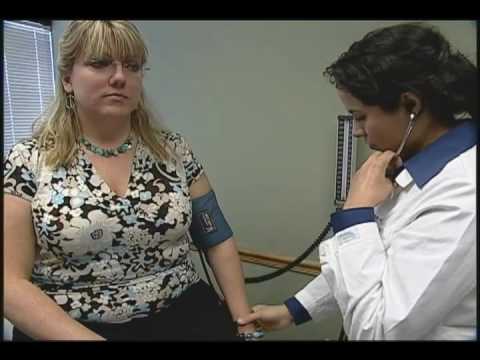
Hypertension, or high blood pressure, is especially important because it often develops gradually with few obvious symptoms while quietly damaging blood vessels across the body. Long-term hypertension substantially increases the risk for heart disease, stroke, kidney disease, and vascular damage. Because of this, hypertension is sometimes called a “silent” condition. Many adults feel perfectly fine for years while damage slowly accumulates within the cardiovascular system.
At the same time, aging itself does not automatically mean severe cardiovascular decline. In the absence of disease, the heart is often capable of functioning effectively well into later life. Exercise, smoking cessation, nutrition, blood pressure control, stress management, and regular healthcare monitoring all play important roles in maintaining cardiovascular health across adulthood.
Lung Capacity - A Reduction in Aerobic Capacity

The lungs and cardiovascular system work together continuously. The lungs bring oxygen into the body and remove carbon dioxide, while the heart circulates oxygen-rich blood to tissues throughout the body.
One important concept in aging is aerobic capacity, the body’s ability to exchange oxygen efficiently during physical activity. Aerobic capacity naturally declines somewhat with age as lung tissue gradually becomes less elastic and respiratory muscles lose strength. However, regular physical activity significantly slows this decline.
Most adults begin losing some aerobic capacity relatively early in adulthood, but the decrease is far less dramatic in individuals who remain physically active. In many ways, the cardiovascular and respiratory systems reflect the “use it or lose it” principle discussed throughout gerontology. Bodies adapt to movement, inactivity, conditioning, and environmental exposure across time.
Smoking remains one of the most damaging behaviors affecting lung function and cardiovascular health. Quitting smoking at any age improves respiratory functioning and reduces risk for cardiovascular disease, cancer, and chronic respiratory illness.
Opportunistic Diseases - Pneumonia
Many bed-ridden elderly die from pneumonia. When one is confined to a bed without movement, fluid accumulates in the lungs. Because of the lungs' moist and warm environment, it is a perfect place for bacteria to grow.
Often this can be prevented with deep breathing and coughing exercises while one is confined to bed rest. One reason for pneumonia vaccines is to prevent some types of bacteria, but it does not protect against all types.

Pneumonia also illustrates the importance of physiological reserve. Younger bodies often recover more quickly from respiratory infections, while older adults or individuals with chronic illness may have less reserve available to compensate. What might be a temporary illness for one person may become life-threatening for another depending on overall health, mobility, immune function, and chronic disease burden.
Bones, Muscles and Mobility
Most people do not think much about bones, muscles, and mobility until the moment a curb feels unexpectedly high, a knee refuses to cooperate halfway up the stairs, or someone who once moved through the world effortlessly suddenly reaches for the handrail like it has become a supporting cast member in the movie of their life.
Let's look at osteoporsis, arthritis, posture (kyphosis/lordosis), muscle loss and the danger of falls later in life.
Muscle Mass
The average American adult, a sedentary person, loses about 6 -1/2 pounds of lean body mass every ten years. Most of the loss comes from shrinking muscle. Muscle tissue responds strongly to use and disuse across the lifecourse. Without regular movement and resistance, adults gradually lose lean muscle mass over time, particularly after midlife. (Baumgartner, et al, 1999). For a variety of reasons--mainly too much sitting around--the rate of loss speeds up after age 45. Building muscle may be the best single strategy for a long, healthy life because it:
- increases your strength, so you move around better
- edges out fat, thus reducing the risk of developing a chronic disease
- increases metabolism, so you burn calories faster
- fine-tunes the body's ability to use insulin, so you're at lower risk of diabetes
People aged 80 who run and swim may have a higher proportion of lean body mass when compared to others their age, but the proportion is still smaller than a 30-year-old's

Bone Density - Osteoporosis
The skeleton provides support and structure to the body. Joints are the areas where bones come together. They allow the skeleton to be flexible for movement. In a joint, bones do not directly contact each other. Instead, they are cushioned by cartilage in the joints, synovial membranes around the joint, and fluid.
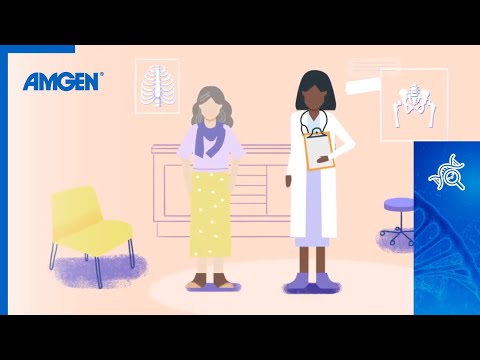
Osteoporosis means bone (osteo) porous (porosis) or porous bone; caused by years of lifestyle-related habits; bones become spongy and soft.
Many things cause this soft, spongy bone condition: Reduced absorption due to an aging digestive system, cigarette smoking, lack of vigorous physical activity, estrogen deficiency in women, decreased calcium intake, carbonated drinks (the carbonation combines with calcium to eliminate it from the body) and genetics or family history. Some studies also point to a diet too high in protein as a contributing factor. (Bonjour, 2011)
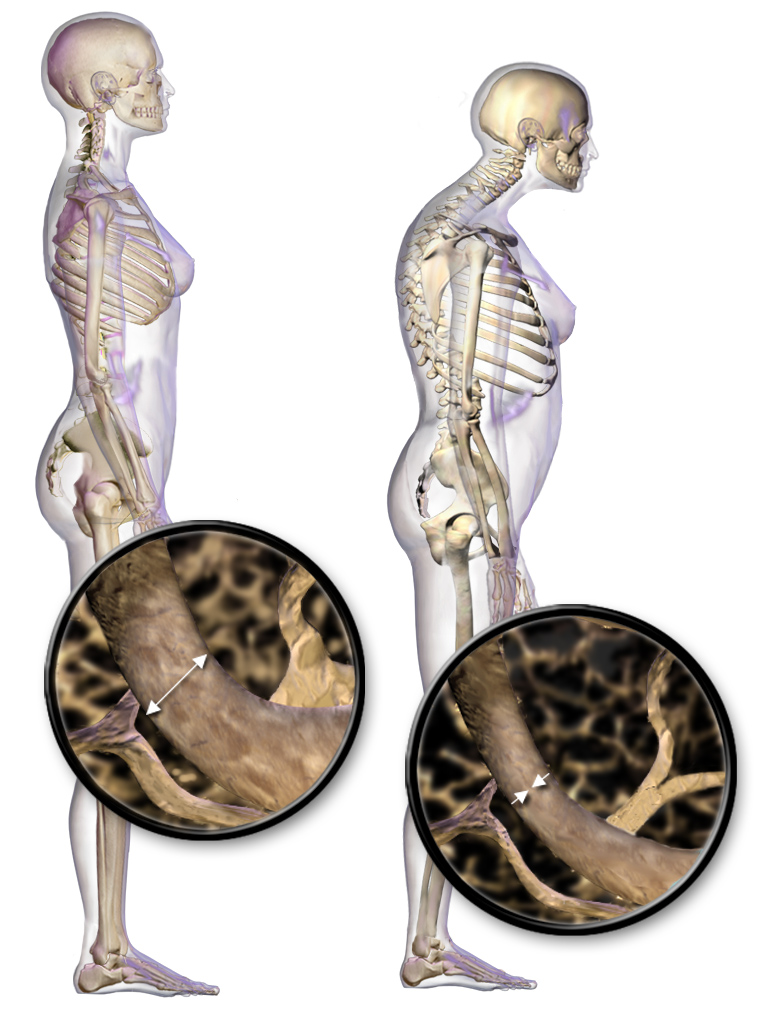
Osteoporosis is a chronic disease and is not a normal part of aging. Loss of bone mass can result in diminishing height, slumped posture, and dowager's hump (that rounding and hump between the shoulder blades seen in some elderly). Bones have reduced strength, making them more susceptible to fractures.
Bone fractures from falls are epidemic among older people (by age 75, about half of all women have sustained at least one fracture due to osteoporosis). Hip fractures in the elderly with osteoporosis are a common cause of death. When bones become soft, the weight of turning over in bed can often break a hip bone. The treatment demands several weeks in bed.
Look at the difference between the density of a healthy bone vs. an osteoporotic bone. One can see how easy it would be to break that osteoporotic bone and how much work it would take for the body to heal!
Structural changes can accompany age, particularly curvatures of the spine, including kyphosis and lordosis - curvatures OUT or IN or even sideways!
If you consider how YOU hold your bodies, what do you think you are training your posture to look like as you age? A new term I am seeing used to describe the image below, "Text-neck." So, watch your posture as you type!!

Arthritis is swelling or tenderness in the joints. One of the most common causes of joint pain and stiffness in older adults, the term arthritis is an umbrella term for over 100 different chronic conditions of the joints. Osteoarthritis and Rheumatoid arthritis are arthritic conditions we hear the most about. Osteoarthritis is the breakdown of the hard slippery tissue that covers the end of bones at the joint, caused by wear and tear on tendons and ligaments over the life course. Rheumatoid arthritis is an autoimmune disease where the lining of the joints become swollen as a part of an inflammatory response. Treatment of these two conditions is very different.

While arthritis can affect children, it is predominantly a disease of the elderly. Arthritis is more common in women than men at all ages and affects all races, ethnic groups and cultures. In the United States, a CDC survey based on data from 2007–2009 showed 22.2% (49.9 million) of adults aged ≥18 years had self-reported doctor-diagnosed arthritis, and 9.4% (21.1 million or 42.4% of those with arthritis) had arthritis-attributable activity limitation (AAAL). With an aging population, this number is expected to increase.
Arthritis is a term often used to mean any disorder that affects joints. Symptoms generally include joint pain and stiffness. Other symptoms may include redness, warmth, swelling, and decreased range of motion of the affected joints. In some types of arthritis, other organs are also affected. Onset can be gradual or sudden.
There are over 100 types of arthritis. Osteoarthritis (degenerative joint disease) and rheumatoid arthritis are the most common forms. Osteoarthritis usually increases in frequency with age and affects the fingers, knees, and hips. Rheumatoid arthritis is an autoimmune disorder that often affects the hands and feet. Other types include gout, lupus, fibromyalgia, and septic arthritis. They are all types of rheumatic disease
Treatment may include resting the joint and alternating between applying ice and heat. Weight loss and exercise may also be useful. Pain medications such as ibuprofen and paracetamol (acetaminophen) may be used. In some, a joint replacement may be useful.

Figure 14. Joint pain increases with age.
Metabolism, Digestion and Chronic Disease
Changes in metabolism and digestion are often gradual, but over time the body becomes less efficient at regulating weight, blood sugar, energy use, and nutrient absorption, particularly when combined with inactivity, stress, or poor health habits across the lifecourse. Let's look at the issues that we read about in the headlines: digestive issues, cholesterol, diabetes, obesity and metabolic syndromes.
Digestive Changes
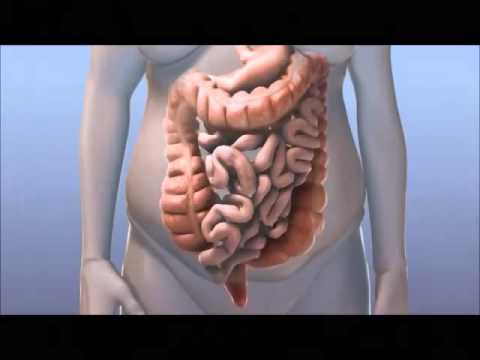
The digestive system usually keeps working surprisingly well across adulthood, but it does tend to become somewhat slower and less efficient with age. These changes are often gradual rather than dramatic, which is why many adults do not notice them immediately. Over time, however, the body may produce less digestive acid, absorb certain nutrients less efficiently, and move food more slowly through the gastrointestinal tract.
One of the most common consequences of this slowing process is constipation. As food moves more slowly through the intestines, additional water is absorbed from the stool, making it harder, drier, and more difficult to pass. Reduced activity levels, certain medications, dehydration, chronic illness, and diets low in fiber can all make the problem worse.
This is one of those areas where everyday habits across the lifecourse really matter. Diets high in processed foods and low in fruits, vegetables, and whole grains often contribute to digestive problems later in life. Physical movement matters too. The digestive system responds to activity, hydration, and nutrition just like the rest of the body does.
At the same time, it is important not to assume that every digestive complaint is “just aging.” Persistent pain, bleeding, major bowel changes, unexplained weight loss, severe reflux, or ongoing digestive distress should always be evaluated medically. One of the dangers of ageism in healthcare is that serious symptoms sometimes get dismissed as normal aging when they may reflect treatable medical conditions.
Researchers have also become increasingly concerned about rising rates of colorectal cancer in younger and middle-aged adults. Colon cancer was once considered primarily a disease of much later life, but screening recommendations have shifted in recent years because diagnoses are occurring earlier than expected in many populations. This is one more reminder that chronic disease develops across the lifecourse, often long before symptoms become obvious.
Cholesterol Levels
Although levels of fats in the blood have little direct connection to age, they do tend to rise as we get older, mostly because of the eating and exercise habits we develop. You can lower levels of "bad fat" (called low-density lipoproteins or LDL)) with a low-fat diet and raise levels of "good fat" (called high-density lipoproteins (HDL) ) by exercising, reducing body fat, quitting smoking, and drinking only moderate amounts of alcohol. (Felix-Redondo, et al., 2013)
Diabetes and Metabolic Disease
When the Body Struggles to Regulate Energy
Type 2 diabetes (T2D), formerly called adult-onset diabetes, is one of the most common chronic illnesses affecting modern adults. Type 2 diabetes occurs when the body becomes resistant to insulin, the hormone responsible for helping glucose move from the bloodstream into cells for energy use. Over time, blood sugar levels remain elevated, placing strain on multiple body systems.
Unlike type 1 diabetes, which is an autoimmune condition involving the destruction of insulin-producing cells, type 2 diabetes develops gradually and is strongly influenced by a combination of genetics, body weight, physical activity, diet, stress, sleep, and environmental factors. Historically, type 2 diabetes was seen primarily in middle-aged and older adults. Today, increasing numbers of younger adults and even adolescents are being diagnosed, largely paralleling rising rates of obesity and sedentary lifestyles.
One reason diabetes is such a significant public health concern is because it affects far more than blood sugar alone. Long-term uncontrolled diabetes can damage blood vessels, nerves, kidneys, vision, and circulation. It substantially increases the risk for cardiovascular disease, stroke, kidney failure, neuropathy, poor wound healing, and amputation.
Type 2 diabetes also illustrates an important principle in gerontology:
chronic illness develops across the lifecourse.
The body often compensates remarkably well for years before symptoms become obvious. Metabolic strain accumulates gradually over time through the interaction of genetics, stress, inactivity, poor sleep, processed diets, obesity, chronic inflammation, and environmental exposure. By the time diabetes is diagnosed, the disease process may already have been developing quietly for years.
At the same time, diabetes is not simply the result of “bad choices,” despite the way it is sometimes discussed culturally. Access to healthy food, healthcare, safe environments for exercise, education, work schedules, chronic stress, poverty, and healthcare disparities all influence metabolic health. Human bodies reflect lived experience across time.
The encouraging news is that type 2 diabetes is often manageable, and in some cases partially preventable. Exercise, weight management, nutrition, medication adherence, stress reduction, and regular healthcare monitoring can significantly improve health outcomes and reduce complications. Researchers continue studying how lifestyle, environment, and early intervention influence long-term metabolic health across adulthood.

Figure 15. In 1990, 2.52% of the total population had diabetes. It’s now 9% of total, 12% of adults. It’s estimated that 25% of adults will have diabetes in the US by 2030, 33% by 2050.
Reproductive Aging and Sexual Health
As we age, all adults leaving their reproductive years will experience some evidence of climacteric - a syndrome of changes, both behavioral and physical. (Cagnacci et al., 2015)
The Aging Female
For the aging female, the period of climacteric is called menopause.

The hormonal changes associated with menopause can affect the body in multiple ways, some subtle and others much more noticeable. Declining estrogen levels may contribute to reductions in breast tissue volume, changes in skin elasticity, redistribution of body fat, and shifts in metabolism. Many women also experience vaginal dryness and thinning of vaginal tissues, which can make intercourse uncomfortable or painful without treatment or support. Hot flashes, disrupted sleep, mood fluctuations, and changes in emotional regulation are also common experiences during the menopausal transition.
For some women, hormone replacement therapy (HRT) significantly improves quality of life by reducing symptoms such as hot flashes, vaginal discomfort, sleep disruption, and bone loss. At the same time, HRT is not a one-size-fits-all solution. The risks and benefits vary depending on individual health history, age, timing, dosage, and type of treatment. Researchers continue to study the relationship between hormone therapy and conditions such as breast cancer, stroke, blood clots, and cardiovascular disease, which is why treatment decisions are usually made on an individual basis in consultation with healthcare providers. (Archer et al., 2009)
As women age, the risk for certain reproductive cancers also increases, although increased risk does not mean inevitability. Ovarian cancer, for example, is more common in postmenopausal women and is often diagnosed later because early symptoms can be vague and easy to overlook. While ovarian cancer is relatively rare compared to other cancers, delayed detection can make treatment more difficult. (Allen & Roberto, 2014; Mayo Clinic, 2019)
Breast and cervical cancers are more common overall and are often far more treatable when detected early through regular healthcare screening. One of the major successes of modern public health has been the reduction in undiagnosed cervical cancer through Pap testing and HPV screening.
Researchers have identified several factors that may increase cervical cancer risk, including exposure to Human Papillomavirus (HPV), smoking, long-term immune suppression, limited access to healthcare screening, and certain aspects of reproductive history. Breast cancer risk is influenced by multiple interacting factors as well, including age, genetics, family history, reproductive history, breast density, and prior radiation exposure. Most breast cancers are diagnosed in women over the age of fifty, although women of all ages can be affected.
Importantly, risk factors are not predictions. Having one or even several risk factors does not mean a person will develop cancer, just as the absence of risk factors does not guarantee immunity. Human health is shaped by a complicated interaction between genetics, environment, behavior, healthcare access, and chance. One of the goals of modern gerontology and preventive medicine is not to create fear surrounding aging bodies, but to encourage informed healthcare, regular screening, early detection, and realistic understanding of how bodies change across the lifecourse.
The Aging Male
Men also experience hormonal changes across adulthood, although the process tends to be more gradual and less abrupt than menopause. Researchers sometimes use the term andropause to describe age-related declines in testosterone and changes in sexual functioning, energy, mood, muscle mass, and libido. Unlike women, most men remain biologically capable of reproduction throughout later life barring illness or injury, but hormonal shifts can still influence both physical health and quality of life.

Declining testosterone levels may contribute to reductions in muscle mass, energy, sexual desire, and frequency of sexual activity. Men may also notice changes in sexual response, including a lengthening of the refractory period, the recovery phase following orgasm during which additional erections or orgasms are physiologically difficult or impossible. This recovery period tends to increase with age, although experiences vary widely between individuals.
Like women, men often receive surprisingly little realistic education about normal reproductive aging. Cultural expectations surrounding masculinity, virility, performance, and sexual functioning can make these conversations uncomfortable, despite the fact that reproductive aging is both common and highly variable.
One of the most common later-life conditions affecting men is benign prostatic hyperplasia (BPH), or enlargement of the prostate gland. Nearly half of men over age fifty experience some degree of prostate enlargement. Although BPH is not cancerous, it can create frustrating urinary symptoms including difficulty starting urination, increased frequency, interrupted flow, or nighttime urination. While bothersome, BPH itself is generally manageable and not considered life-threatening.
Prostate cancer, however, is one of the more common cancers affecting men and becomes increasingly prevalent with age. Like many cancers, early detection significantly improves treatment outcomes, which is why regular medical screening and discussion with healthcare providers become increasingly important across adulthood. (Crawford, 2003)
Perhaps no aspect of male aging receives more media attention than erectile dysfunction (ED), the inability to achieve or maintain an erection sufficient for sexual activity. Once viewed primarily as a psychological issue, researchers now understand that ED may involve a combination of vascular, neurological, hormonal, emotional, and lifestyle-related factors. Stress, medication side effects, alcohol use, smoking, cardiovascular disease, diabetes, anxiety, and depression can all contribute. Age increases the likelihood of ED, but it is not accurate to assume that all older men experience severe erectile dysfunction or complete loss of sexual functioning.
The marketing surrounding ED has become a massive industry, often reinforcing cultural anxiety surrounding masculinity, aging, performance, and sexual identity. At times, media messaging can make perfectly normal changes in sexual response sound catastrophic, while simultaneously oversimplifying the complicated relationship between physical health, emotional well-being, intimacy, and sexual functioning.
Importantly, sexual aging does not automatically mean the end of intimacy, pleasure, or sexual identity for either men or women. Human sexuality changes across the lifecourse, but it does not simply disappear at a predetermined age. Like many aspects of aging, sexual functioning is shaped by biology, relationships, health, communication, emotional connection, cultural expectations, and adaptation over time.
Cancer, Chronic Illness and Aging
Age itself is one of the most significant risk factors for developing cancer. Currently, approximately 60% of newly diagnosed malignant tumors and nearly 70% of cancer deaths occur in adults over the age of sixty-five. Many cancers become more common with age, including breast, colorectal, prostate, pancreatic, lung, bladder, and stomach cancers. Men over the age of seventy-five have the highest overall cancer rates, while women over sixty-five also experience substantially increased risk.
At the same time, cancer is no longer viewed solely as a disease of very old age. In recent years, researchers and healthcare providers have become increasingly concerned about rising rates of several cancers in younger and middle-aged adults, particularly colorectal cancer. Many people now encounter cancer much earlier in adulthood than previous generations expected, sometimes during years traditionally associated with career building, parenting, caregiving, or preparing financially for later life.
Because of this, cancer increasingly affects not only longevity, but also the shape of the lifecourse itself.
A cancer diagnosis may alter fertility plans, employment, finances, caregiving responsibilities, retirement timing, body image, sexual functioning, emotional well-being, and long-term health expectations. Some individuals recover fully and move forward with few lasting effects. Others continue living with chronic fatigue, neuropathy, hormonal changes, pain, cognitive difficulties, recurrence anxiety, or disability long after treatment ends.
Modern medicine has dramatically improved survival rates for many forms of cancer. Earlier detection, screening, targeted therapies, surgery, radiation, immunotherapy, and improved medications have transformed many cancers from rapidly fatal illnesses into chronic or manageable conditions. At the same time, treatment itself can be physically and emotionally exhausting. Cancer care often involves repeated testing, uncertainty, invasive procedures, medication side effects, transportation challenges, insurance navigation, financial strain, and caregiving demands that affect entire families.
For older adults, cancer treatment may become especially complicated because aging bodies often have less physiological reserve. Older patients may tolerate aggressive treatment differently than younger adults, particularly when additional chronic illnesses such as heart disease, diabetes, arthritis, or respiratory illness are already present. Functional limitations involving mobility, transportation, finances, cognition, or caregiving support may also influence treatment decisions and recovery
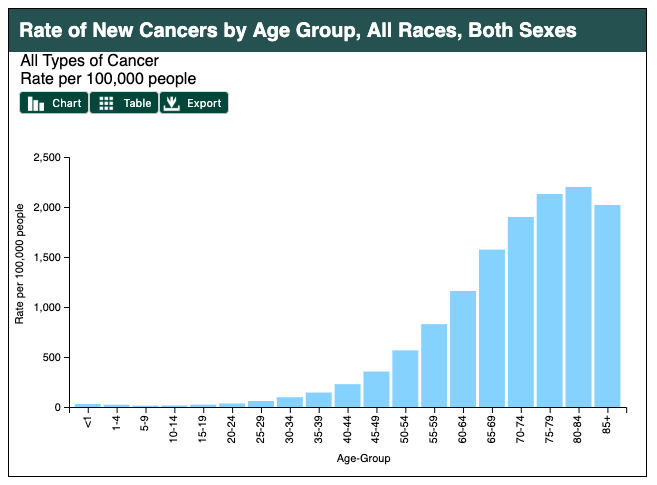
Figure 12. Age is a risk factor for cancer development. Source: https://gis.cdc.gov/Cancer/USCS/DataViz.html.
Importantly, older adults do not all approach treatment the same way. Some prioritize aggressive intervention and longevity. Others place greater emphasis on independence, comfort, symptom management, cognitive clarity, or quality of life. Gerontology reminds us that healthcare decisions are rarely purely medical. They are shaped by identity, relationships, caregiving systems, values, finances, emotional resilience, and individual experiences across the lifecourse.
One of the major goals of preventive medicine is not to create fear surrounding aging and disease, but to improve early detection, reduce avoidable risk factors, and help individuals maintain health and functioning across time. Regular screening, smoking cessation, nutrition, exercise, vaccination, stress management, and access to healthcare all play important roles in reducing risk and improving outcomes, although no prevention strategy can eliminate risk entirely.
Cancer is not simply a biological event.
It is also a psychological, social, financial, developmental, and family experience.

Figure 13. Cancer rates are significantly higher for those above age 65, and is more common in men than in women.
Healthy Changes over the Lifecourse
Each of our organs and systems changes as we age. Some biologists say that we spend the first 29 years of our lives growing and maturing. Once we hit 29 years old, they say, we start losing 2% of our overall function each year. That sort of scares me because, at 54, I have theoretically lost 20% of my optimum function. I like to believe that their numbers were based on old statistics, and I am actually functioning better than ever! The reality is that I have a better diet and healthier lifestyle than many 54-year-olds that have come before me. So, I may actually be in MUCH better shape than my old research friends would say.
Research increasingly suggests that lifestyle, healthcare access, nutrition, education, exercise, and reduced smoking rates have altered how many adults experience later life compared to previous generations. While biological aging remains universal, the timing and severity of functional decline can vary dramatically depending on cumulative health behaviors and environmental conditions across the lifecourse.
As we wrap up the lecture, let's take a look at one final video.