Dealing with Bodies after Death
Traditional Disposal Methods:
Embalming

Embalming is a method/tool of body perseveration dating back to ancient Egypt, where the practice of mummification was used to ensure the preservation of the body, a requirement for the afterlife (Gannal, 2015; mummification, n.d.). Mummification is a multi-step process involving: organ removal, the drying out of the body; the wrapping of the body; the application of resin and oils; and eventually sealing the mummy in a sarcophagus (Gannel, 2015; Mummification, n.d.). There is evidence that mummification was used in many civilizations for thousands of years (e.g., Incan, Aztec, Africa, ancient Europe, Indigenous people of Australia, etc.) (Mummy History, August 21, 2018). In some cultures, evidence points to mummification as a process reserved for royalty or the privileged class, but in others it was more widely available. For example, in Sicily in the 18th and 19th centuries mummifying was also available to the middle class (Giuffra et al., 2006).
VIDEO: The Mummification Process
In this video, the Getty Museum’s Romano-Egyptian mummy Herakleides, is used to explain the Egyptian mummification process.

The modern concept of embalming began in the mid-1800s during the U.S. Civil War as a means to preserve bodies for the transport home for burial (See Chapter on Historical Beliefs and Death-Related Practices). The popularization of embalming and the beautification of the corpse, led to increasing demand for the service and the emergence of the modern funeral industry (Doughty, 2017; FCASMC, n.d.). Current embalming practices involve replacing the body’s blood with chemicals that help prevent body decomposition (Doughty, 2017; Chavez, 2019). The body is then further protected from decay that occurs after burial by the layers of metal and wood that surround caskets (Doughty, 2017) and entombment in a vault (see Burial below). Today, traditional embalming services cost around $800 (Prices, n.d.), however, the U.S. company Summun, is offering modern mummification services. The process takes around 90 days and costs approximately $67,000 USD (Morton, March 28, 2014).
Burial

As noted in the chapter on History of Death and Death-Related Practices, burial is an ancient form of body disposal, however, what we view as traditional burial practices today actually began with the reintroduction of embalming type processes and the professionalization of the funeral industry in the mid-1800s in North America (Walsh, 2017). Burial as a method of body disposal typically requires the purchase of a burial plot (Doughty, 2017), a wood or metal casket, and an outer burial container. Burial containers come in two forms, burial vaults and grave liners. Both function to prevent soil sinkage, which would normally occur as the casket and body decompose, helping to maintain cemetery landscapes. The former also tightly seals the casket to prevent exposure and decay (Doughty, 2017; FCASMC, n.d.). The number of services and associated fees required for a burial today are costly (Understanding Funeral Costs, n.d.), with a typical burial in Canada costing on average around $10,000 (Average Funeral Costs, n.d.).
Cremation

The burning of the dead is another example of an ancient means of body disposal (See Chapter on Historical Beliefs and Death-Related Practices), and was the preferred custom in some cultures like ancient Greek and Roman societies (Naillon, n.d.; Robinson, 2021). Although the practice waned after the 1st century CE, due to the rise of Christianity and its prohibition on cremation, today cremation is one of the most common forms of body disposal. In Canada, the first crematorium opened in 1901 at Mount Royal Cemetery in Outremont Québec. Since then, the practice has continued to grow in popularity among residents of Canada and has become the preferred method of body disposal (Cummings, February 16, 2020). According to a 2021 statistics report, 73% of the body disposals in Canada in 2020 were via cremation (CANA, 2022) (See infographic below). That number was more than double the cremation rate two decades earlier (CANA, 2021).

Flame-based cremation involves the use of high heat to reduce human remains to bone and ash and the pulverization of the bone into tiny pieces, which are then placed into a container commonly referred to as an urn (CANA, n.d. -a; Ontario Cremation Services, n.d.). Prior to incineration, the body is placed into a casket or container made of wood or other flammable material (e.g., cardboard). The cultural shift to this form of body disposal has been attributed in part to the lower costs of this procedure — between $2000 and $5000, considerably less than burial (Cummings, February 16, 2020). Cremation also provides families with more time and greater flexibility to determine both the type of memorial service they want and what to do with their loved one’s remains (Canadian Funerals, n.d.). Options for cremated remains are quite diverse. Urn contents can be scattered as part of a memorial process, or urns can be kept in one’s home, buried or placed in a mausoleum or a columbarium (Ontario, 2014). Other newer options for ashes include turning them into a diamond, jewellery or glass art or even fireworks or part of a reef.
Environmental Impact of Embalming, Burial & Cremation

Access the Word file containing text for the infographic
Burial Capacity & Space Limits

In addition to the environmental impact, another big problem associated with conventional body disposal methods is that we are running out of room to bury our dead in existing cemeteries (e.g., in graves for caskets or urns, in mausoleums, columbariums, etc.) and geographically, as not all land is usable for cemeteries/burials (Perfect Memorials, n.d.; Walls et al., November 5, 2014). This situation is particularly problematic for members of religions whose beliefs dictate that bodies must be buried in their entirety (e.g., Muslim and Orthodox Jewish) (Uzielli & O’Brien, 2016). Finding a way to deal with this situation becomes even more dire when we consider the space requirements that may be needed for the large aging population (O’Reilly, 2019; Simões & Perobelli, April 1, 2021).
Issues with cemetery capacity are not a new phenomenon. For example, in Paris in late 1700s cemeteries were literally overflowing with corpses (Geiling, March 28, 2014). The chosen solution was to dig up the remains of the dead and move the bones to the tunnels under the city, that had existed since the 13th century (Vitek, October 27, 2021). This process continued, on and off into the mid-1800s, with the tunnels used as a direct burial location at some points in time (Geiling, March 28, 2014). In total, it is estimated that the bones of around six million Parisian’s are housed in the Catacombs of Paris (Vitek, October 27, 2021).

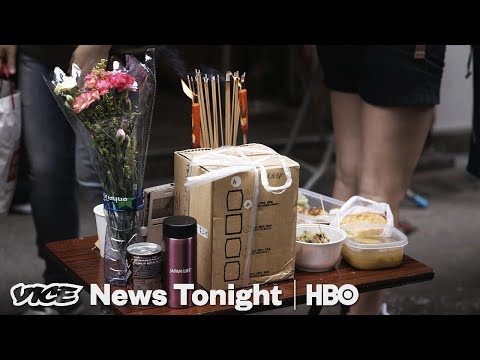
Today, cemetery capacity issues in various parts of the world are making the news. For example, in 2019 Happy Valley Christian cemetery, one of Hong Kong’s oldest cemeteries, dating back to 1845 (see image above), made the headlines because it had reached its space capacity, with hundreds of thousands of human remains waiting for a spot (O’Reilly, 2019). In 2015, BBC News did a story entitled “The word is running out of burial space.” It reported on how cemeteries in the UK are largely full and some have ceased providing burial services (McManus, March 13, 2015). As a result of the 6 million COVID-19 related deaths worldwide (as of March 2022), the issue has become even more dire in various parts of the world. In Sao Paulo Brazil, for instance, efforts to empty old graves have had to be sped up to make room for soaring death tolls (Simões & Perobelli, April 1, 2021).
VIDEO: Hong Kong is Running Out of Space
This video explores the issues Hong Kong is facing in terms of space to put their dead and some potential future solutions.
One solution being explored to address limited space for the dead and inground burials is to build up. Multistory columbariums are already in use in some cities (i.e., Japan, Hong Kong – see image below of the Tsand Tsui Columbarium in Hong Kong) (Adelstein, March 18, 2019; Daifuku, n.d.). Other ideas include vertical cemeteries that can house caskets in high rise structures. There are proposals to build such structures in Oslo Norway, Paris France, Mubai India, and Santos Brazil (Hariyono, 2015). These structures would house not only the dead, but could also provide a variety of services including onsite faculties for funerals, prayer, and visiting with deceased loved ones (Hariyono, 2015; Philjake, October 28, 2018).

Grave Recycling


Grave recycling is another means by which to help with the problem of limited burial space in cemeteries (Walls et al., 2014). The term applies to several different practices. It refers to the deepening of graves, where bodies are exhumed, graves are made deeper, then bodies are placed back inside, with other bodies placed on top (de Sousa, January 21, 2015; Walls et al., 2014). Grave recycling also refers to the process of exhuming bodies from graves and burying new ones in that cemetery plot. The exhumed remains are then: placed in a mass grave or a common ossuary; boxed and placed in a different part of the cemetery; or cremated and returned to family (Ferraz, July 18, 2018).
The reuse of graves has been going on for thousands of years across many cultures, particularly in Europe (de Sousa, January 21, 2015; Walls et al., 2014). “It is a system that has worked efficiently…all over the world” (de Sousa, January 21, 2015, para. 5). In 19th Century Europe, for instance, families only leased their plot spaces and were allowed to renew those leases after eight to fifteen years if they wished to keep their loved one in that resting space (Uzielli & O’Brien, 2016). In the late 1800s in Portugal, most dead were buried in churchyards until the plot was needed for a new body, at which time the old body would be dug up and placed in a common ossuary. A version of the practice was re-introduced in Portugal in 1962 (Ferraz, July 18, 2018).
As we grapple with issues of burial space, grave recycling is making a comeback in Europe. Although some places still permit perpetual burial plot purchases, there is a trend toward term limited grave/cemetery space rental in most European countries (Hoffner, December 2, 2016). Temporary leases are available for varying periods of time in countries like Germany, Greece, Italy, Portugal, Sweden, Switzerland, and the Netherlands. Depending on the country, leases can last anywhere from 3 to 50 years (Ferraz, July 18, 2018). In Greece, burial plot rentals are usually 3 years in length and prices for extensions are extremely expensive (Hadjimatheou, November 26, 2015). In the UK, some cemeteries are initiating grave recycling practices. For example, the City of London Cemetery has begun reusing burial plots that are at least 75 years of age (de Sousa, January 21, 2015).
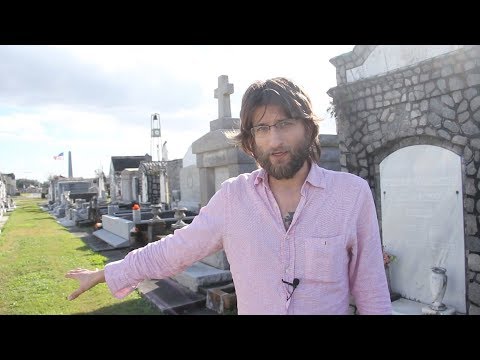
Another form of grave recycling occurs in some family tombs, such as those found in New Orleans, Louisiana (see photos at top of page) (Hillinger, 1990). These above ground burial sites typically have 2 shelves, one above the other, that are large enough to hold a casket. Despite their size they can actually house the remains of many family members. The newest casket is always placed on the top shelf and left for a minimum of a year and a day. After that time, when the space is needed for another family member, the casket is removed, the remains placed on the lower shelf, and the casket destroyed (Cemeteries in NO, n.d.). In some tombs, there is space to gather up decomposed remains under the tomb. As space is needed, skeletal remains, ashes, etc. are pushed to the back of the tomb where they fall through a gap into to the space beneath (Atun-Shei Films, January 20, 2019; Hillinger, 1990). Watch the video below to learn more about New Orleans’ crypts.
Click the links below to learn more about burial plot recycling:
Losing the Plot: Death is Permanent, But Your Grave Isn’t
VIDEO: How to Fit 85 bodies in a New Orleans Above-Ground Tomb
The following video provides images and information on the New Orleans Above-Ground Tombs. (Begin watching at 1:04 minute mark).
Environmentally Sustainable Solutions
Green Burials
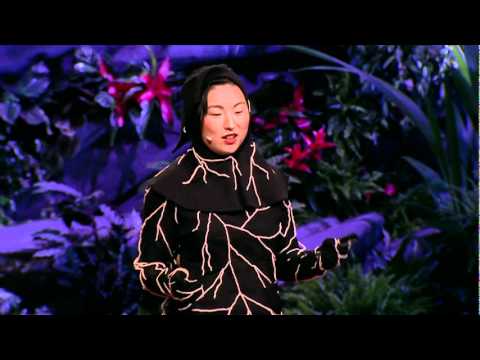
Natural, woodland, ecological, or green burials are environmentally friendly alternatives to the traditional methods of body disposal (i.e., burial and cremation) (Shelvock et al., 2021). This method is closely associated with traditional burials, but involves eco-friendly materials and adoption of more ancient practices (e.g., the use of burial shrouds). Bodies are not embalmed. They are buried in biodegradable containers/ caskets (e.g., bamboo, cardboard, paper, wool, willow, etc.) and/or burial shrouds, typically with no permanent markers such as had headstone (Robinson, 2021). One interesting variation is the use of a shroud or burial suit embedded with mushroom spores. The mushrooms help decompose the body, cleansing it of toxins that would otherwise end up in the earth (See Mushroom Burial Suit video below) (TED, 2011).
VIDEO: Jae Rhim Lee: My Mushroom Burial Suit
The following video outlines what Infinity mushrooms are and how they can be used to provide the most environmentally friendly burial method of dealing with bodies after death.
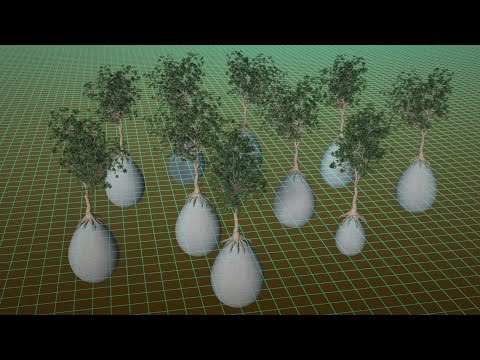
Green burials are done in such a way as to minimize any negative impact on the land or burial site (Haker, 2012). The idea is to return the “body directly to the earth…[as] humans have been doing since time immemorial” (Rehagen, October 27, 2016, para. 9) and allow the body to decompose naturally and nourish the earth. Such burial practices benefit the living by preserving green spaces (i.e., forests and open fields) and protecting them from future development (Freehill & Pantuso, 2019; Ottawa Citizen, February 2021). They are also a more cost-effective alternative to traditional burial (Duffy, 2021). There are a variety of other green burial type options including placing the body or ashes into a pod that will be used to grow a tree (see video below), with pod burial sites eventually becoming forests (Freehill & Pantuso, 2019).
VIDEO: Ecological Burial Pod turns Bodies into Trees
The following video explains how burial pod works.
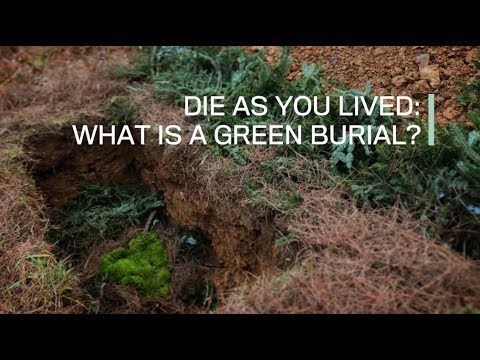
VIDEO: Die As You Lived: What is a Green Burial?
In the following video Megan Spencer, co-founder of Green Burial Ottawa Valley, explains what it means to have a green burial and why more people are choosing to die as they lived.
Aquamation
While green burial practices are re-imagining traditional body disposal practices, aquamation is a funerary innovation (Robinson, 2021). Aquamation, also referred to as water, bio-, green, or flameless cremation, or resomation, uses the process of alkaline hydrolysis to mimic natural decomposition (Robinson, 2021). The body is placed in a sealed chamber that is filled with water and alkaline chemicals. Then heat, gentle water flow, pressure and/or agitation is applied. At the end, bone fragments are pulverized as with regular cremation. The process results in about one-third more cremated remains, that can be returned to the family (CANA, n.d.-b). Alkaline hydrolysis is a much greener process than traditional fire-based cremation. There is no release of chemical compounds or carbon emissions during the process, it requires far less energy, and allows for the safe disposal of mercury from dental fillings (Shelvock et al., 2021).
VIDEO: Bodies Dissolve in Water
The following video outlines the process of high and low temperature alkaline hydrolysis or aquamation as a method of body disposal.

Click the following links to learn more about green deaths:
The Green Death: How Environmentally Friendly Options Are Changing The Way We Bury Our Dead
The Impact of the COVID-19 Pandemic on Death-Related Practices

The COVID-19 pandemic transformed the way we deal with dead bodies and the end of life (Mikles, January 26, 2022). These changes were tied to the sheer volume of deaths and resulting number of bodies that had to be processed, as well as safety concerns tied to bodies of people who died of COVID-19 (Lale, January 6, 2021). Large numbers of dead meant that normal religious requirements for burying the dead, such as the Jewish practice of burial within 24 hours, were difficult to follow. Delays in access and COVID-19 safety protocols made the organizing and performing of religious rituals on or for the dead by family and religious officials (e.g., washing and shrouding the body, sitting vigil with the body until burial), more challenging, difficult, and sometime impossible (MacNeil et al., 2021). Safety guidelines for the funeral industry, such as those detailed by the World Health Organization (September 4, 2020), further altered normal practices. For example, WHOs guidelines included recommendations to avoid embalming bodies and prohibiting family and loved ones from touching or kissing the body.
Local, regional and national public health restrictions, capacity limits, and social distancing requirements further impacted traditional death-related practices (MacNeil et al, 2021). At various points during virus surges and shutdowns, funeral homes were either unable to allow people inside or only a few at a time (Kohn & Gould, 2020). Traditional rituals and ceremonies were virtually eliminated (e.g., Christian practice of visitations prior to a funeral and Jewish Shiva customs of visitations after the funeral) (Watts, August 16, 2021). This served as an impetus for the evolution of virtual forms of visitation and funeral attendance, as well as the popularization of alternative means to sharing condolences, memories and other information via social media (Kohn & Gould, 2020; Conway, 2020) (See Chapter on Loss, Grief & Bereavement). These changes may well become a normal part of funerals after COVID to accommodate loved ones who are not able to travel to attend end-of-life events, who prefer online services (Stewart, January 16, 2022), and/or to reduce funeral related costs. Funeral homes are now offering live-streaming as part of funeral packages or as an alternative to the traditional funeral for the budget conscious (Virtual Funerals, n.d.; Funeral Companion, n.d.).
Click the links to learn more about funerals and COVID-19:
Coronavirus Is Changing Funerals And How We Deal With The Dead
Chapter Summary
Key Summary Points
- Current conventional methods of dealing with bodies after death are based on ancient practices.
- Certain conventional methods associated with dealing with bodies after death are costly, contribute to the lack of space for the dead, and are not environmentally sustainable.
- Alternative options for dealing with bodies provide an opportunity to move beyond our conventional understandings of burials and cremation.
- There are a variety of “greener” ways to deal with bodies at the end of life. Some are variations on ancient practices and some are recent innovations.
Additional Resources
Additional Viewings
Channel 10. (June 13, 2011). Grave recycling. [Video]. YouTube. https://www.youtube.com/watch?v=wfvhUvSYIfg
NBC News. (November 19, 2020). Funerals in the COVID-19 area face immense and emotional hurdles | NBC News NOW. [Video]. YouTube. https://www.youtube.com/watch?v=0QoEpDjT21c
Additional Readings
Canada. (n.d.). Funerals. http://www.ic.gc.ca/eic/site/oca-bc.nsf/eng/ca03069.html
Hariyono, W. (September 14, 2015). Vertical cemetery. Procedia Engineering, 118, 201-214. https://doi.org/10.1016/j.proeng.2015.08.419
How long are graves kept. (n.d.). St. John’s Dixie Cemetery & Crematorium. https://stjohnsdixie.com/cemetery/how-long-are-graves-kept/
Mayer, A. (May 16, 2018). Back to the land. CBC. https://newsinteractives.cbc.ca/longform/death-burial-green-recycling
McGee, A. (May 7, 2021). Donating a body to science for medical research in Canada. Canadian Funerals. https://canadianfunerals.com/donating-a-body-to-science-for-medical-research-in-canada/#.Yj4snpopAkg
Ontario. (n.d.). Arrange a funeral, burial, cremation, alkaline hydrolysis or scattering. https://www.ontario.ca/page/arrange-funeral-burial-cremation-alkaline-hydrolysis-or-scattering
Philjacke. (October 28, 2018). Vertical cemetery: Graves in high rise towers. The Tower Info. https://thetowerinfo.com/vertical-cemetery-high-rise/
Understanding funeral costs in Ontario. (n.d.). Passages. https://www.passagescb.ca/understanding-funeral-costs