9.3 Changing Societal Attitudes Toward Suicidal Behavior
From Moral Judgment to Public Health
How a society responds to suicide tells us a great deal about what that society believes concerning individual responsibility, mental illness, personal autonomy, and the value of human life.
And those beliefs have changed considerably over time.
In parts of ancient Greece and Rome, suicide was sometimes viewed as an honorable or rational response to particular circumstances, including political defeat, dishonor, or severe suffering. Philosophers debated whether individuals had the moral authority to end their own lives, and their conclusions were far from unanimous. Plato, Aristotle, and later Stoic thinkers approached the question differently, reflecting the broader philosophical disagreements of their societies.
By the European Middle Ages, Christian religious teachings had become especially influential in shaping attitudes toward suicide. Suicide was generally condemned as a violation of religious obligations, and in some jurisdictions it was also treated as a criminal offense. Depending on the time and place, families could face social disgrace, restrictions on burial practices, or legal consequences involving the deceased person's property.
These responses reflected more than religious belief. They also demonstrated how institutions attempted to regulate death, morality, and individual behavior.
Over subsequent centuries, explanations of suicide gradually expanded. Enlightenment philosophers questioned established moral and legal assumptions, while physicians and early psychiatric thinkers increasingly examined the relationship between suicide, psychological distress, and mental illness. By the nineteenth century, medical and social explanations had become more prominent, although they did not entirely replace religious or moral interpretations.
One particularly influential contribution came from French sociologist Émile Durkheim, whose 1897 work Suicide challenged the assumption that suicide could be understood exclusively through individual psychology.
Durkheim argued that suicide rates were also influenced by the ways individuals were connected to and regulated by society. His work introduced a sociological perspective that examined social integration, social regulation, and the consequences of disruptions in community life.
We'll explore his theoretical framework in greater detail later in the chapter, but the larger point is important: Suicide is not simply an individual event. It also occurs within social, cultural, economic, and historical circumstances.
Today, suicide is widely recognized as a major public health concern. Prevention efforts increasingly emphasize mental healthcare, social support, reduction of risk factors, and evidence-informed interventions rather than punishment or moral condemnation.
Nevertheless, the historical association between suicide, shame, criminality, and moral failure has not disappeared. Those attitudes continue to influence how people discuss suicide, whether they seek help, and how surviving families are treated.
Stigma: When Silence Becomes Part of the Problem
Imagine someone experiencing suicidal thoughts but believing that admitting those thoughts would cause others to see them as weak, unstable, selfish, or dangerous.
Now imagine that person lives in a community where mental illness is rarely discussed, where independence is highly valued, or where asking for psychological help is interpreted as a personal failure.
The problem is no longer simply whether services are available. It is also whether the individual feels able to use them.
Stigma can operate at several levels. Public stigma involves negative attitudes and stereotypes held by others. Self-stigma occurs when individuals internalize those beliefs and apply them to themselves. Structural stigma refers to policies, practices, or institutional arrangements that create barriers or unequal treatment.
These forms of stigma may discourage disclosure, delay treatment, and complicate relationships with family members or healthcare professionals.
They can also affect people after a suicide has occurred. Families may encounter judgment, intrusive questions, or assumptions about what they should have noticed or prevented. Some may avoid discussing the circumstances of the death because they fear how others will respond.
We've already examined grief in earlier chapters, so we won't repeat that material here. What matters for our present discussion is how social attitudes can influence the support people receive and the willingness of individuals to seek assistance before a crisis occurs.
From a gerontological perspective, this becomes especially interesting. Some older adults grew up during periods when mental illness was more heavily stigmatized, psychiatric treatment was less accessible, and emotional difficulties were frequently considered private family matters.
However, we should not assume that all older adults share those attitudes. Cultural background, education, personal experience, community relationships, and individual beliefs may be more informative than age alone.
Similarly, younger adults may be more accustomed to public conversations about mental health without necessarily finding it easier to seek help themselves.
Talking about mental health and accessing effective care are related, but they are not the same thing.
Social Media: Breaking the Silence or Creating New Risks?
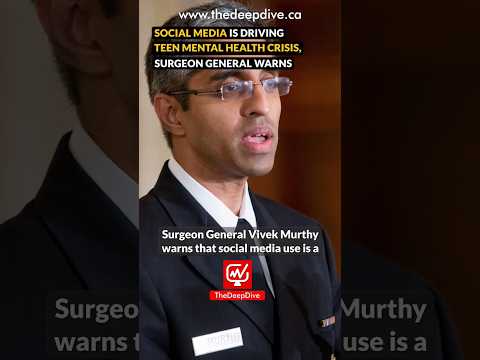
Perhaps one of the most visible changes in contemporary attitudes toward suicide has occurred through social media.
Platforms such as TikTok, Instagram, YouTube, and X have created opportunities for people to discuss depression, anxiety, suicidal thoughts, treatment experiences, and recovery with audiences far beyond their immediate communities.
Mental health advocacy campaigns have encouraged people to speak openly about experiences that previous generations might have kept private. Hashtags, personal testimonials, educational videos, and online support communities have helped some individuals recognize that they are not alone.
For people who lack supportive relationships in their immediate surroundings, online communities may provide information, validation, and pathways toward assistance.
But increased visibility does not automatically mean increased safety.
The same platforms that provide supportive communities can also expose users to cyberbullying, harassment, misinformation, harmful portrayals of suicide, and content that intensifies psychological distress.
Researchers and public health organizations have also raised concerns about the ways recommendation algorithms may repeatedly expose vulnerable users to emotionally distressing material. The relationship between social media and mental health is complicated, and effects vary according to the individual, the content, the nature of the interaction, and the broader circumstances of the user's life.
We should be cautious about declaring social media either the cause of a mental health crisis or the solution to one.
The more useful question is not simply whether people are talking about suicide online, but what kinds of conversations they are having and how those conversations affect the people participating in them.
When Popular Culture Shapes Our Understanding
Popular culture has long influenced public attitudes toward death, mental illness, and suicide. Films, television programs, books, music, and celebrity stories can make difficult subjects more visible, but the way those subjects are presented matters.
Consider the Netflix series 13 Reasons Why, released in 2017.
The series generated considerable public discussion about adolescent suicide, bullying, sexual violence, and the responsibilities of schools and families. Some viewers and commentators praised its willingness to address difficult subjects, while mental health professionals and suicide prevention organizations expressed concern about its portrayal of suicide and the possibility that vulnerable viewers might identify with or be harmed by aspects of the narrative.
Research examining the series has produced findings that require careful interpretation, including observational studies reporting associations between its release and changes in suicide-related outcomes among young people. Such findings do not establish that every observed change was caused by the program, but they underscore why suicide portrayals deserve serious attention.
Now consider The Perks of Being a Wallflower, a novel and film that explores adolescent trauma, depression, friendship, and the difficulties of seeking help. Its treatment of psychological distress provides a different opportunity to discuss how relationships and professional support can contribute to recovery.
These examples remind us that storytelling does more than entertain. It can influence what audiences believe about psychological suffering, who deserves compassion, and whether recovery seems possible.
This is why organizations involved in suicide prevention have developed recommendations for responsible media reporting and storytelling.
Such guidance generally encourages avoiding sensationalism, unnecessary descriptions of methods, simplistic explanations, and portrayals that romanticize suicide. It also encourages providing information about support and recovery.
Two concepts are particularly useful here.
The Werther effect describes the potential for certain suicide portrayals or reports to be associated with subsequent suicidal behavior, particularly when coverage is sensationalized or encourages identification with the person who died.
The Papageno effect refers to the potentially protective influence of stories that show people navigating suicidal crises, finding alternatives, and receiving meaningful support.
Neither concept suggests that every media portrayal produces the same response. Instead, they remind us that the content, framing, and audience all matter.
The Generational Question: Are We Really Becoming More Open?
It's tempting to describe contemporary attitudes toward suicide as a simple progression from historical silence to modern openness.
There is some truth to the observation that public discussion of mental health has become more visible in many communities. But visibility is not the same as universal acceptance, and openness does not eliminate stigma.
An older adult may have spent decades believing that psychological suffering should be handled privately. A younger adult may openly discuss anxiety on social media while remaining unwilling to tell a parent, partner, or healthcare professional about suicidal thoughts.
A veteran may fear that disclosure will affect how others perceive their competence. A person in a rural community may worry about confidentiality. Someone whose cultural or religious community strongly condemns suicide may struggle to reconcile personal distress with deeply held beliefs.
These examples are not inevitable characteristics of particular groups. They illustrate how social expectations, identity, relationships, and access to services can influence whether people feel safe seeking help.
For gerontologists, the important question is how these influences change across the lifespan and how healthcare systems can respond without relying on stereotypes.
We also need to remember that people who grew up in one historical period continue living through subsequent periods of social change. Older adults are not frozen in the attitudes of their youth. They may revise their beliefs, participate in advocacy, support others, and challenge stigma themselves.
A Public Health Issue, Not a Simple Explanation
The shift toward understanding suicide as a public health concern has changed the kinds of questions researchers and policymakers ask.
Rather than focusing exclusively on why a particular individual died, public health approaches examine patterns of risk, opportunities for prevention, access to treatment, social conditions, and the environments in which suicidal crises occur.
This broader perspective does not eliminate individual experiences or personal responsibility. It recognizes that suicidal behavior emerges within a complicated interaction of individual circumstances and larger social systems.
It also encourages us to question assumptions about who is at risk.
Someone may appear socially connected while experiencing significant distress. Another person may have multiple recognized risk factors without ever considering suicide. Demographic characteristics can help researchers identify population patterns, but they cannot determine what any particular individual will do.
In the next sections, we'll examine these patterns more closely, including differences associated with age, gender, social circumstances, and other factors.
For now, I want you to remember that changing the way we talk about suicide is important, but changing the conditions that contribute to suicide risk is equally important.
Compassionate language matters. So do accessible healthcare, effective treatment, social connection, crisis services, and evidence-informed prevention.
Before We Move On
Think about how differently suicide might have been discussed in a European community several centuries ago, in an American household in the 1950s, and on a social media platform today.
The words, moral judgments, available explanations, and opportunities for support might be dramatically different. Yet some of the underlying human experiences, including psychological pain, fear, isolation, and the need for connection, remain recognizable.
As we continue exploring suicide, we'll move beyond historical and cultural attitudes to examine the evidence about who is at risk, why risk varies, and what prevention can realistically accomplish.
The goal is not to eliminate every disagreement about suicide. It is to ensure that our understanding is informed by evidence rather than assumptions, and that our responses are grounded in compassion rather than judgment.
Take a Moment to Think
Consider how religious, medical, and sociological explanations of suicide have influenced public attitudes over time. How might stigma affect someone's willingness to disclose suicidal thoughts or seek treatment? In what ways can social media and popular culture encourage understanding, and when might they create additional risks?
Finally, think about the difference between increased public awareness and meaningful prevention. What would need to change beyond the way we talk about suicide to reduce risk and improve access to support?