1.4 Who Dies?
Illustration from the original Canvas course (image not included in this lightweight export).
A Closer Look at Dying.
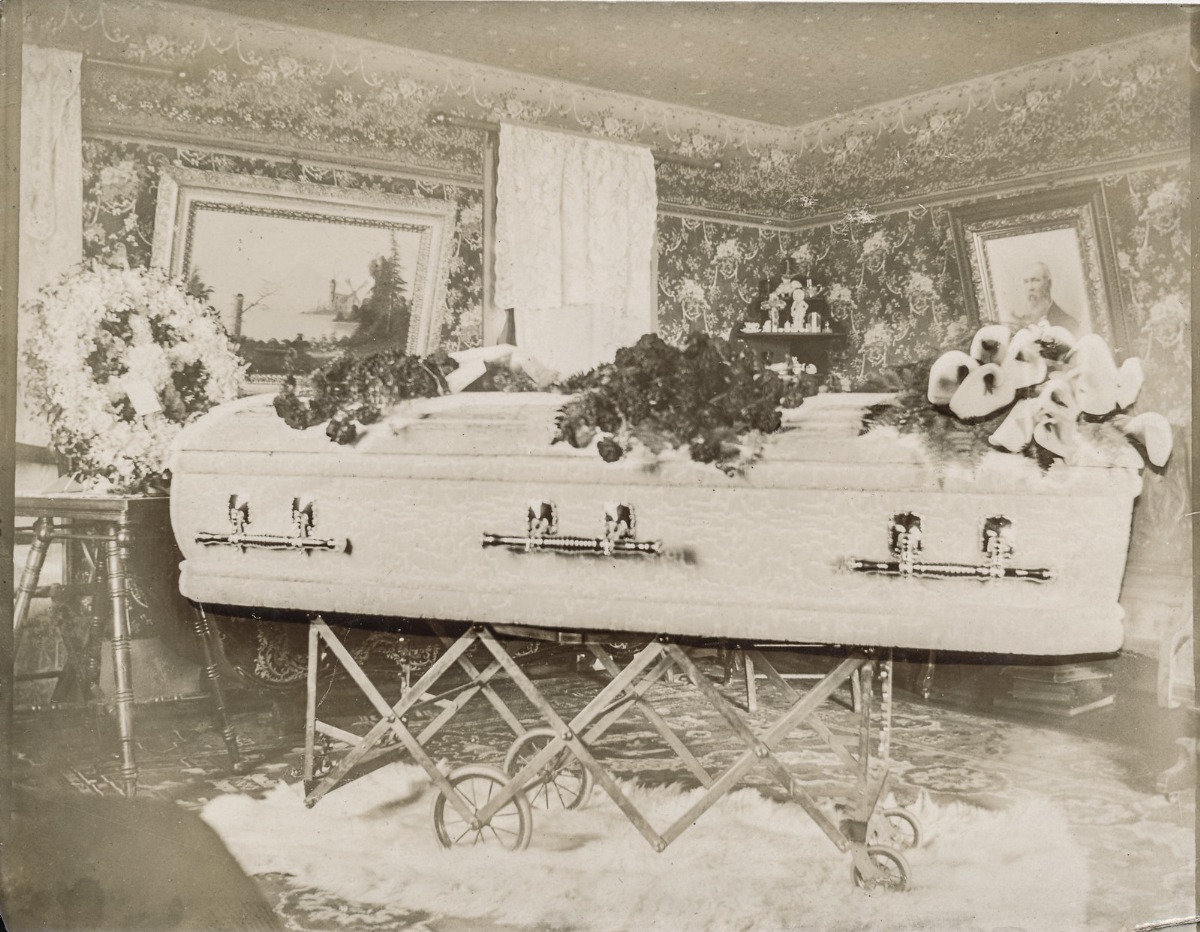
Go back a little more than a century, and death looked very different in the United States. Infant and childhood mortality were much higher, infectious diseases claimed lives at younger ages, and many families experienced the deaths of children, siblings, and young parents. In fact, in 1900, more than 30% of all deaths in the United States occurred among children younger than five years old. By 1997, that figure had fallen to just 1.4% (Centers for Disease Control and Prevention [CDC], 1999).
Today, thanks to improvements in sanitation, nutrition, public health, and medicine, far more people survive childhood and live into old age. In many ways, death has become associated with aging. Of course, younger people still die, sometimes suddenly and tragically, but most deaths in the United States now occur among older adults. According to national mortality data, approximately three-quarters of Americans who died in 2023 were age 65 or older (National Center for Health Statistics [NCHS], 2024).
Something else changed along the way. Death, much like childbirth, became increasingly medicalized. Rather than dying at home, more people began dying in hospitals and other healthcare institutions. Physicians, nurses, medical equipment, and treatment decisions became central to an experience that had once been managed largely within families and communities. Historians have documented how hospitals gradually assumed a greater role in caring for dying patients throughout the twentieth century (Abel, 2011; Risse & Balboni, 2013).
But here's something interesting: that trend has been changing again.
In 2000, 48% of deaths in the United States occurred in hospitals, while 22.7% occurred at home. By 2018, hospital deaths had declined to 35.1%, while deaths at home had increased to 31.4%. Another 26.8% occurred in nursing homes, hospice facilities, and other long-term care settings (CDC, 2020).
So although medicine transformed the experience of dying, hospitals are no longer the location of nearly half of all American deaths. The expansion of hospice services, home-based care, and alternatives to hospitalization has helped create more options for people approaching the end of life.
And this raises an important question: Just because we have the medical technology to prolong someone's life, does that always mean we should use it?
The Hippocratic Oath
You've probably heard the phrase "First, do no harm." It's commonly associated with the Hippocratic Oath, although those exact words don't appear in the original oath. The underlying principle, however, remains central to medical ethics: physicians have an obligation to consider the potential harms as well as the benefits of the treatments they recommend (Sokol, 2013).
But what does do no harm mean when someone is dying?
We have developed extraordinary medical technologies that can treat illnesses, support failing organs, and sometimes keep people alive in circumstances that would have been unimaginable a century ago. And that's wonderful when those treatments offer someone a meaningful chance of recovery or additional life.
But what happens when treatment no longer offers a reasonable prospect of recovery? What if another procedure, another hospitalization, or another stay in intensive care prolongs the dying process without improving the person's quality of life?
Researchers have described this tension as part of the medicalization of dying, in which death increasingly becomes something managed through medical intervention rather than understood as an inevitable part of the human life course. The concern isn't that medical technology is inherently harmful, but that the availability of treatment can sometimes overshadow questions about whether that treatment serves the patient's goals and values (Risse & Balboni, 2013; Coret et al., 2023).
We train physicians to diagnose illness, treat disease, and save lives. And thank goodness we do! I certainly want my doctor to know how to keep me alive when something goes wrong. But knowing how to treat a disease isn't necessarily the same as knowing how to help someone make difficult decisions about their remaining life.
Medical education has made progress in teaching geriatrics, palliative care, and communication about serious illness, but the amount and quality of that training still vary. According to the Association of American Medical Colleges, 96% of medical schools reported including geriatrics in their curricula during 2022–2023, although some devoted only a few hours to the subject (Association of American Medical Colleges [AAMC], 2024).
And here's the question I want you to consider: When does doing everything medically possible stop being the same thing as doing what's best for the patient?
Above All Else, Do No Harm
Just because you're dying doesn't mean that you aren't in pain. It doesn't mean that you're not having difficulty breathing. It does not mean that you don't want to communicate with your family. And it certainly doesn't mean "stop treating me as a human being."
There's an important difference between deciding that a particular medical treatment is no longer beneficial and deciding that a person no longer deserves care. Someone who is dying still needs comfort, symptom management, communication, emotional support, and respect for their wishes.
One of the challenges for healthcare professionals is learning how to balance the possibilities offered by medical technology with the goals and values of the person receiving care. Research on advance care planning has shown that structured conversations can improve communication and documentation of preferences, although ensuring that patients actually receive care consistent with those preferences remains a complicated challenge (Kim et al., 2020).
There is another dimension to all of this: money. Healthcare in the United States is enormously expensive, and caring for people with serious illnesses can involve repeated hospitalizations, intensive care, medications, procedures, and long-term support. An estimated quarter of Medicare spending has historically been associated with beneficiaries in their final year of life, although that figure should not be interpreted as evidence that a quarter of Medicare spending is unnecessary (Jha, 2018).
Expensive care isn't automatically unnecessary care, and the fact that someone dies after receiving treatment doesn't mean that treatment was inappropriate. Sometimes aggressive medical intervention saves a life or gives someone additional time that they deeply value. Sometimes it prolongs suffering without achieving what the patient hoped for.
The real question isn't simply how much we spend on people who are dying. It's whether the care we provide is effective, consistent with their wishes, and respectful of their quality of life. And that requires something beyond medical technology. It requires honest conversations, good clinical judgment, and a willingness to recognize that dying is not the same thing as medical failure.
Please watch the video:

(Source: Buzzfeed Multiplayer)