9.2 Family Caregiving: The Invisible Healthcare System
When you hear the word caregiver, what comes to mind?
For many people, caregiving looks like helping someone get dressed, driving them to a doctor's appointment, preparing meals, or reminding them to take medication. Those activities certainly count as caregiving, but they represent only a small piece of the picture.
In fact, one of the reasons caregiving catches people off guard is that most of us don't recognize it when it first arrives.
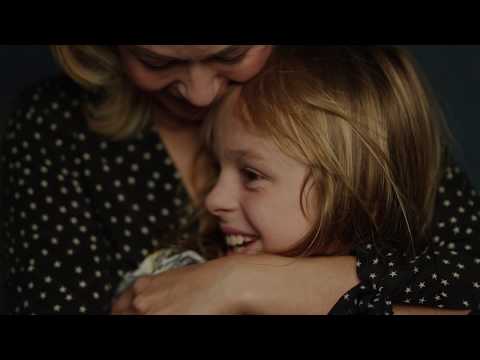
We imagine caregiving as something that happens to older people. We picture an elderly parent, a wheelchair, perhaps a nursing home somewhere in the distance. We imagine that caregiving begins when someone can no longer manage independently.
The reality is often very different.
Caregiving usually begins long before anyone uses the word caregiver.
It starts with helping.
- A ride to an appointment.
- A trip to the grocery store.
- A phone call to technical support because someone's television, cell phone, or patient portal has mysteriously stopped working.
- A second set of ears at a doctor's appointment because there is a lot of information to remember.
- A prescription pickup.
- A little help with paperwork.
- Nothing dramatic.
Nothing that feels particularly life-changing. But then life happens.
- An illness.
- A surgery.
- A diagnosis.
- An injury.
- A difficult recovery.
And suddenly the amount of helping begins to grow.
One of the reasons I find caregiving fascinating is that I have experienced it from several different perspectives. I have worked in healthcare. I have worked in administration. I have been the patient. Most recently, I spent months helping my husband navigate cancer treatment.
His job was to survive.
My job was to manage everything else.
That did not mean I was administering chemotherapy or performing medical procedures. It meant coordinating appointments, navigating insurance, researching treatment options, tracking laboratory results, communicating with providers, managing schedules, organizing medications, arranging transportation, monitoring symptoms, and making sure that the hundreds of small details that keep life functioning continued to function.
By the end of the process, I knew far more about esophageal cancer research, treatment outcomes, feeding tube mechanics, insurance approvals, and medical scheduling than I ever wanted to know.
That experience taught me something important.
Many people assume caregiving is primarily about physical care. Sometimes it is. Sometimes caregiving involves helping someone bathe, dress, transfer safely, or manage daily activities. But more often caregiving involves management.
Suddenly, our role involves becoming the keeper of information. We become the coordinator, scheduler, researcher, and advocate - the person who knows which physician said what, which medication changed last month, which pharmacy has the prescription, and why the insurance company denied something that was approved three weeks ago.
In many situations, the caregiver becomes the operating system running quietly in the background while everyone else focuses on the visible problem.
This is one reason caregiving is so difficult to define. It looks so different for each of us.
Let's revisit Agnes. She has a support system of caregivers. One balances the checkbook and does the grocery orders. One drives her to appointments and keeps records of her medications and care plan. Another, well, their entire job is fixing the remote and setting up Zoom calls with grandchildren. The fourth one, the one we would see as her "real" caregiver, comes in to help her get a shower, do her laundry, fix a few meals, and tidy the apartment.
Which one of these roles is more important? It depends on how Agnes is feeling on any given day, because "real" caregiving can be all of those things.
No two caregiving situations look exactly alike because no two families, illnesses, relationships, or circumstances are exactly alike.
- If Agnes misses a shower this week, that is certainly important.
- If nobody pays her rent this month, that matters too.
- If nobody notices that her medications have changed, that matters.
- If nobody helps her connect with family for weeks at a time, that matters as well.
The challenge is that caregiving often focuses our attention on the visible tasks while overlooking the hundreds of invisible tasks that make independent living possible.
A twenty-year-old student may already be providing care without realizing it. Perhaps they help a grandparent navigate technology, translate medical information for a family member, supervise younger siblings, or provide transportation for a relative who can no longer drive.
A person in midlife may find themselves caring simultaneously for children, parents, and a spouse while maintaining a career of their own.
By the time someone reaches their eighties or nineties, the question often shifts from "How do I provide care?" to "How will I receive it?"
That shift can be surprisingly difficult.
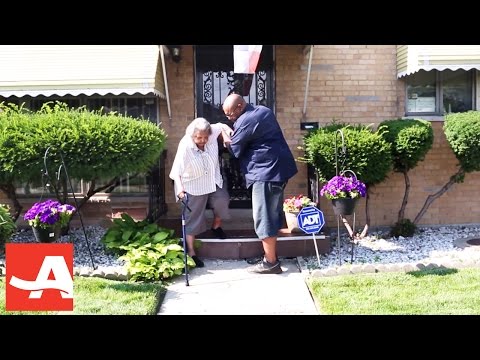
Most of us spend our lives becoming increasingly independent. We learn to feed ourselves, dress ourselves, manage our money, drive our cars, build careers, raise families, and solve problems. Receiving care requires us to reverse some of those assumptions and allow other people to help.
Providing care and receiving care are both learned skills. Neither comes naturally to everyone. Yet both are part of the human experience.
Once you begin looking for caregiving, it becomes difficult to stop seeing it. The coworker leaving early for a medical appointment. The neighbor who picks up groceries every Thursday. The friend who always has their phone nearby because they're waiting for an update from a parent. Much of caregiving happens quietly, often without recognition, and many caregivers don't even think of themselves as caregivers. They simply see themselves as daughters, sons, spouses, friends, or neighbors doing what needs to be done.
According to the National Alliance for Caregiving and AARP, approximately 63 million Americans currently provide unpaid care for a family member or loved one. Most of this care is not provided by healthcare professionals. It is provided by spouses, adult children, grandchildren, friends, neighbors, and family members quietly managing responsibilities behind the scenes.
If every unpaid caregiver in the United States stopped providing care for a single month, the impact would be immediate. Hospitals could not absorb the need. Long-term care facilities could not absorb the need. Community programs could not absorb the need.
The system would struggle because much of the system already depends upon unpaid caregivers.
In many ways, caregiving functions as an invisible healthcare system operating quietly behind the scenes. We rarely notice it until we become part of it ourselves.
And when we do, most of us discover that caregiving is far larger, more complicated, and far more important than we ever imagined.
The Backbone Nobody Talks About
Let's try a thought experiment.
Imagine that every unpaid caregiver in the United States decided to take a month off.
Not forever. Just thirty days.
At first glance, it might seem as though very little would change. Hospitals would still be open. Physicians would still be seeing patients. Pharmacies would still be filling prescriptions. Ambulances would still respond to emergencies. On paper, the healthcare system would appear to be functioning normally.
The problems would begin when people returned home.
Consider an older adult discharged after surgery. The physician reviews the recovery plan, provides instructions, sends prescriptions to the pharmacy, and schedules a follow-up appointment. From the perspective of the healthcare system, the patient has received appropriate care and has been safely discharged.
But what happens next?
- Who picks up the prescriptions?
- Who helps the patient understand instructions that were delivered while they were still groggy from anesthesia?
- Who notices that one medication is causing dizziness?
- Who drives them back for the follow-up appointment?
- Who makes sure there is food in the refrigerator, that bills are paid, and that someone is available if complications develop?
Healthcare professionals provide critical medical care, but they are rarely present when people return home. The daily work of recovery often falls to someone else. A spouse. An adult child. A friend. A neighbor. Someone who may have no formal healthcare training but who suddenly becomes responsible for helping another person navigate the space between medical care and daily life.
Most of these activities never appear in a medical chart. They are rarely discussed in policy reports. They are often so ordinary that we overlook them entirely. Yet taken together, they form an enormous network of support that allows millions of people to remain in their homes and communities.
One of the most surprising things about caregiving is that much of it does not look like healthcare at all. It looks like ordinary life. It looks like grocery shopping, calendar management, meal preparation, transportation, paperwork, problem solving, and paying attention. The healthcare system often focuses on diagnosis and treatment. Caregivers are frequently responsible for making those treatments workable in the context of everyday life.
This is one reason researchers sometimes describe family caregivers as the backbone of long-term care. Not because they do everything, but because so much stops working when they are not there.
Caregiving Is Cultural
One of the most interesting discussions I have with students begins with a deceptively simple question:
What should happen when an eighty-five-year-old parent can no longer live safely alone?
I have asked this question for years, and the answers are rarely the same. Some students immediately respond, "They would move in with family." Others look surprised by the question and answer, "We would hire help."
Some assume that assisted living is the obvious next step. Others insist that placing a parent in a facility would never be considered. Occasionally, a student will look around the room in complete disbelief after hearing another classmate's answer.
What's fascinating is that everyone is usually convinced their answer is the normal answer.
Then the discussion begins.
One student explains that in their family, grandparents have always lived with adult children. When older relatives need support, the family adjusts. Bedrooms are rearranged. Schedules are modified. Responsibilities are shared. No formal family meeting is required because everyone already understands the expectation.
Across the room, another student describes a very different experience. Their grandparents lived independently for as long as possible and were adamant that they never wanted to become a burden to their children. Professional services were brought in when needed, and eventually assisted living became the preferred option because it allowed everyone to maintain a degree of independence.
Neither student is wrong. Both are describing the caregiving culture they grew up with.
One of the challenges of discussing caregiving is that we often assume our own experiences are universal. The way our family handled aging, illness, and caregiving feels normal because it is what we have always known. We may not realize that another family, living just a few blocks away, approaches the same situation in a completely different way.
Culture plays a significant role in shaping caregiving expectations. Some cultures place a strong emphasis on family responsibility and intergenerational support. In these families, caring for older relatives may be viewed as a natural continuation of the care that parents once provided to their children. The expectation is not necessarily discussed because it is already understood.
Other families place a stronger emphasis on independence and autonomy. Older adults may actively prefer community services, home health programs, or residential care options rather than relying heavily on family members. Choosing outside support is not viewed as abandonment. Instead, it may be viewed as a way to preserve relationships while ensuring appropriate care.
Religion, immigration history, geography, family size, and economic resources all influence these decisions as well. A family may strongly believe in caring for relatives at home but live in a two-bedroom apartment with three generations already sharing the space. Another family may want to provide care themselves but have adult children scattered across several states. Sometimes the preferred solution and the practical solution are not the same thing.
Even within families, caregiving expectations can create tension. One sibling may believe that a parent should move in with family. Another may believe that professional care is safer. A parent may insist on remaining at home while adult children worry about safety. These disagreements are not necessarily evidence that someone cares more than another person. Often they reflect different values, different experiences, and different assumptions about what good care looks like.
As future professionals, one of the most important lessons to remember is that caregiving decisions never occur in a vacuum. Every decision exists within a larger context of family history, culture, resources, relationships, beliefs, and practical realities.
The question is rarely, "What is the best solution?"
More often, the question becomes, "What is the best solution for this family, at this time, under these circumstances?"
That distinction matters because the answer that feels obvious to one family may feel impossible, unacceptable, or even unthinkable to another.
The Caregiving Menu
By now, you may have noticed that caregiving is difficult to describe with a single definition.
For some people, caregiving means helping with transportation, grocery shopping, or household tasks. For others, it involves managing medications, attending medical appointments, coordinating services, or navigating insurance systems. Some caregivers provide hands-on physical assistance. Others spend most of their time organizing information, making decisions, solving problems, and worrying about people they love.
The challenge is that caregiving is rarely just one of these things.
Imagine ordering from a restaurant menu. Most of us expect to choose a single item from each category. Perhaps an entrée, a side dish, and a drink.
Caregiving does not work that way.
Instead, it often feels as though someone handed you the entire menu and expected you to manage transportation, medical care, emotional support, advocacy, paperwork, finances, physical assistance, and relationship management simultaneously.
This is one reason caregiving can feel overwhelming. The challenge is rarely a single responsibility. More often, caregivers describe feeling pulled in multiple directions at once as they try to balance competing needs, priorities, and obligations.
Imagine that your grandmother asks for help after a minor surgery.
At first, the request seems simple enough. She cannot drive for a few weeks, so you agree to take her to a follow-up appointment. While you're there, she asks if you can stop at the pharmacy on the way home. Since you're already out, you pick up a few groceries as well.
No problem.
A few days later, she calls because she received a letter from her insurance company that she doesn't understand. You stop by after work to take a look. While you're there, you notice that her refrigerator is nearly empty and her medication bottles seem to be multiplying on the kitchen counter.
The following week, she has another appointment. This time the physician changes one of her medications and refers her to a specialist. The specialist's office wants records from another provider. The pharmacy has questions about the prescription. Your grandmother insists she understands everything perfectly, but then asks you to explain it again on the drive home.
None of these tasks are particularly difficult on their own. Most of us would gladly pick up a prescription, help decipher a confusing letter, or drive a family member to an appointment. The challenge is that caregiving responsibilities rarely arrive separately. One task creates another. The appointment generates paperwork. The paperwork requires a phone call. The phone call leads to a medication change. The medication change requires monitoring. Before long, what began as a simple favor has evolved into a growing collection of responsibilities that nobody formally assigned, but somehow now belong to you.
This is one reason caregiving catches people off guard.
Most of us expect caregiving to involve helping someone with a specific problem. What we discover instead is that caregiving often means managing an entire ecosystem of needs, responsibilities, relationships, and decisions.
Perhaps the most difficult part of caregiving is that it does not replace the rest of your life. Work still expects you to show up. Children still need dinner. Bills still need to be paid. Deadlines still arrive. Caregiving is rarely the only responsibility a person is carrying. More often, it becomes one additional responsibility layered on top of everything else.
When researchers ask caregivers what they find most difficult, the answer is rarely a single task. More often, caregivers describe feeling pulled in multiple directions at once. They are managing practical responsibilities while navigating healthcare systems. They are helping a loved one while worrying about finances. They are coordinating services while trying to maintain their own physical and emotional health.
Practical Tasks: The Work We Can See
When most people imagine caregiving, this is usually what comes to mind.
It is easy to picture because it is visible. We can see someone driving a parent to an appointment. We can see groceries being delivered, meals being prepared, laundry being folded, prescriptions being picked up, or a lawn being mowed. These are the kinds of activities that make us think, "Yes, that person is clearly providing care."
What makes practical caregiving interesting, however, is that the individual tasks are often not particularly difficult.
If I asked you whether you would help your grandmother by picking up a prescription, most of you would probably say yes without hesitation. The task itself is relatively small. It may take fifteen or twenty minutes out of your day.
The challenge is that caregiving rarely stays that simple.
Perhaps your grandmother no longer drives at night, so you begin taking her to an occasional medical appointment. While you're there, she asks if you can stop at the grocery store because carrying heavy bags has become difficult. A few weeks later, she has a follow-up appointment with a specialist. Then physical therapy is added to the schedule. Then a medication changes, requiring another trip to the pharmacy.
This is one reason practical caregiving is so easy to underestimate. We tend to focus on individual tasks rather than the accumulation of tasks over time. Looking at any one responsibility in isolation, it may seem relatively minor. Looking at all of them together creates a very different picture.
The same pattern often appears in families. A son may start mowing the lawn because his father is recovering from surgery. A daughter may begin helping with grocery shopping after her mother's vision declines. A neighbor may start checking in after noticing that someone has become less steady on their feet. None of these actions seem particularly significant at first. In fact, most people would simply describe them as helping.
That distinction matters.
Very few people wake up one morning and announce, "I am now a caregiver." More often, they are simply helping someone they care about.
Then they help again. And again. And, months later, they realize they have become responsible for a growing collection of tasks that help another person continue living safely and independently.
If this sounds familiar, it should. Earlier in this unit, we discussed Activities of Daily Living and Instrumental Activities of Daily Living. Many practical caregiving responsibilities involve supporting those same activities. Grocery shopping, transportation, meal preparation, household maintenance, and medication management are all tasks that help people remain independent. When older adults begin experiencing difficulty with these responsibilities, practical caregiving often becomes the first layer of support.
In many ways, practical caregiving represents the scaffolding of independence. The goal is not necessarily to take over someone's life. The goal is to provide just enough support to help them continue living the life they want for as long as possible.
Physical Demands: The Work We Feel
Practical caregiving often begins with errands, appointments, and household tasks. Physical caregiving begins when another person's body can no longer do everything it once did independently.
For some caregivers, this transition happens gradually. A parent begins asking for help carrying groceries. Someone recovering from surgery needs assistance getting in and out of a car. An older adult becomes unsteady on stairs or needs a hand navigating uneven sidewalks. At first, these requests may seem minor. They are often viewed as temporary adjustments rather than signs of a larger change.
Over time, however, physical caregiving can become increasingly demanding.
Imagine helping someone who has difficulty getting out of a chair. The first few times, it may require nothing more than offering an arm for support. Later, it may involve steadying them as they walk across a room. After a hospitalization or injury, the caregiver may find themselves helping someone transfer from a bed to a wheelchair, assisting with bathing, or supporting mobility throughout the day.
None of these tasks sound particularly dramatic when described in a textbook. In practice, they can be physically exhausting.
Many caregivers are older adults themselves. A seventy-year-old spouse may be caring for a seventy-five-year-old partner. An adult daughter may be managing her own arthritis while helping her father recover from a stroke. A husband may be lifting, transferring, and assisting someone who weighs nearly as much as he does.
Caregiving does not magically grant people additional strength, energy, or endurance.
Bodies still get tired.
Backs still ache.
Sleep still matters.
This is one reason healthcare professionals often encourage caregivers to learn safe transfer techniques, use adaptive equipment, and accept assistance when it is available. The goal is not simply to protect the person receiving care. It is also to protect the caregiver.
A caregiver who becomes injured cannot continue providing care effectively.
As we discussed in the previous unit, many supports exist to reduce these physical demands. Walk-in showers, grab bars, raised toilet seats, mobility devices, transportation services, home modifications, and paid assistance can all help reduce the physical burden placed on caregivers. These tools are not signs of failure. They are often what allow both the caregiver and the care recipient to remain safe and independent for longer periods of time.
Emotional Demands: The Work We Carry
When people talk about caregiving, they often focus on the practical tasks. We talk about appointments, medications, transportation, meal preparation, and household responsibilities because those activities are easy to see.
The emotional side of caregiving is much harder to observe.
Nobody sees the grocery shopping and thinks, "That must be emotionally exhausting." They see the bags being carried into the house and the errand being completed. What they do not see is the caregiver lying awake at two o'clock in the morning wondering whether a medication change is causing new symptoms, or debating whether a parent sounds more confused than they did last week.
Much of caregiving happens twice. First in our minds, and then in our actions. We worry, plan, anticipate, remember, monitor, and troubleshoot long before we actually do anything. Over time, carrying another person's needs in the back of your mind becomes its own form of work.
One of the reasons caregiving can be emotionally complicated is that the people we care for are rarely strangers. They are our spouses, parents, grandparents, siblings, children, friends, and neighbors. We are not simply performing tasks. We are helping people whose well-being matters deeply to us.
That changes everything.
When a loved one becomes ill, injured, or increasingly dependent on support, caregivers often find themselves carrying a constant awareness that someone else's safety and quality of life may depend, at least in part, on their actions.
Ordinary events stop feeling entirely ordinary. A phone call after midnight can instantly raise your heart rate. An unanswered text message may trigger concern. A routine doctor's appointment can occupy mental space for days, not because the appointment itself is unusual, but because caregivers understand that a fifteen-minute conversation can sometimes change the next six months.
Over time, many caregivers become students of small changes. They notice differences in energy, appetite, memory, balance, or mood that other people might overlook. Most of these observations turn out to be nothing at all. A few become very important. The difficulty is that nobody hands caregivers a guide explaining which changes matter and which do not, so they learn to watch all of them.
Many caregivers describe feeling as though part of their attention is always somewhere else. They may be sitting in a meeting, attending class, shopping for groceries, or having dinner with friends while simultaneously wondering whether a parent remembered an appointment, whether a spouse took their medication, or whether a symptom that seemed minor yesterday is becoming something more serious.
This mental and emotional load follows people wherever they go. Unlike a household chore or a medical appointment, it cannot simply be crossed off a list and forgotten. It travels quietly in the background, occupying mental space and emotional energy throughout the day.
What makes caregiving particularly challenging is that the emotional experience is rarely limited to a single feeling. Caregivers often find themselves experiencing emotions that seem contradictory. A person may feel grateful that a loved one survived a serious illness while simultaneously feeling exhausted by the responsibilities that followed. They may feel relieved when professional help becomes available and guilty for needing it. They may deeply love the person they are caring for while also wishing for an afternoon, a weekend, or even a single uninterrupted night free from responsibility.
These reactions are not signs that someone is a bad caregiver. They are signs that caregiving is a deeply human experience. Relationships, responsibility, uncertainty, love, frustration, grief, hope, and exhaustion often occupy the same space at the same time.
In many ways, caregiving introduces people to a form of grief that does not always involve death. Gerontologists sometimes refer to this as anticipatory grief. Caregivers may find themselves grieving changes in health, independence, mobility, memory, or future plans long before an actual loss occurs.
Consider the spouse caring for a partner with dementia. They may still be married to the same person they have loved for decades, yet the relationship itself is changing. They may grieve the loss of conversations they once shared while simultaneously appreciating the moments of connection that remain. An adult child may feel honored to help a parent who once cared for them while also feeling overwhelmed by the realities of balancing work, family, finances, and caregiving responsibilities.
The person they love is still present, but the change can be difficult to navigate.
Relationship Management: The Work We Negotiate
One of the most surprising aspects of caregiving is that many caregiving tasks have very little to do with healthcare. Sometimes the work involves navigating relationships, difficult conversations, changing expectations, and competing needs. In these situations, the challenge is not deciding what should happen. The challenge is helping everyone involved reach a place where it can happen.
Caregivers often find themselves balancing safety and independence, honesty and hope, assistance and autonomy. A parent may need help but not want it. An adult child may want to help but not know how. Siblings may agree on the problem while disagreeing completely on the solution.
In these situations, caregiving becomes an exercise in relationship management. The goal is not simply to solve a problem. The goal is to preserve dignity, maintain trust, and support relationships while navigating circumstances that are often emotionally charged.
One of the most common examples involves driving.
A daughter notices that her mother has become hesitant behind the wheel. She avoids freeways, refuses to drive at night, and occasionally becomes confused in unfamiliar areas. The daughter worries about safety and begins suggesting alternatives. Her mother insists she is fine.
At first glance, this appears to be a disagreement about transportation.
It rarely is.
For the daughter, driving represents safety and risk management. For her mother, driving may represent independence, freedom, competence, and the ability to control her own life. When older adults resist giving up the keys, they are often resisting what the loss of driving represents rather than the act of driving itself.
The same dynamic appears in many caregiving situations.
A son suggests hiring a housekeeper because his father is struggling to keep up with household chores. His father refuses. The conversation is not really about vacuuming. It is about accepting help. Many older adults have spent decades caring for others. Becoming the person who needs assistance can feel uncomfortable, frustrating, or even humiliating.
Caregivers quickly learn that solving a practical problem does not always solve the emotional one.
Family relationships can add another layer of complexity.
Many people imagine that families automatically come together during times of crisis. Sometimes they do. Other times, caregiving has a way of exposing old family patterns that have existed for decades.
The responsible sibling often becomes more responsible.
The distant sibling may remain distant.
The peacekeeper tries to keep everyone happy.
The organizer begins creating spreadsheets.
The critic continues to criticize.
A family may agree completely that a parent needs help while disagreeing passionately about what that help should look like, who should provide it, and how the costs should be shared.
These disagreements do not necessarily mean that family members care any less about one another. More often, they reflect different personalities, different experiences, different resources, and different assumptions about what good care looks like.
Caregivers also find themselves managing relationships with healthcare providers, paid caregivers, community agencies, neighbors, and friends. Communication becomes an important skill. Questions must be asked. Information must be shared. Expectations must be clarified. Concerns must be addressed.
In many ways, caregivers become translators between different worlds. They help physicians understand the realities of daily life. They help family members understand medical recommendations. They help older adults understand changing circumstances. They often spend considerable time making sure everyone is working from the same information.
What makes relationship management particularly challenging is that there are rarely perfect solutions. Every decision involves trade-offs. Every family brings its own history. Every person involved has their own fears, hopes, preferences, and limitations.
Effective caregivers eventually discover that many caregiving challenges cannot be solved with a prescription, a mobility device, or a service referral. They require patience, communication, compromise, and the ability to see situations from multiple perspectives.
In many ways, caregiving is not simply about managing health needs.
It is about managing relationships while health needs are changing.
Administration: The Work Nobody Warns You About
When people imagine caregiving, they usually picture the visible parts. They think about helping with meals, transportation, medications, or perhaps providing hands-on assistance with daily activities.
What few people anticipate is the amount of administration that accompanies caregiving.
In many cases, caregiving does not begin with a medical emergency or a dramatic life event. It begins with a simple question.
"Can you help me figure this out?"
The question may involve an insurance statement that makes no sense, a referral that never arrived, an appointment that needs to be rescheduled, or a prescription that was approved last month but is suddenly no longer covered. At first, the problem appears small. Most caregivers assume they can make a quick phone call and straighten things out.
Then they discover that the situation is far more complicated than they expected.
The physician's office directs them to the insurance company. The insurance company directs them back to the physician's office. The pharmacy needs clarification. The specialist needs records. The records have been sent, but somehow they have not been received. An appointment cannot be scheduled until the referral is approved, but the referral cannot be approved until additional paperwork is submitted.
Before long, the caregiver finds themselves navigating a maze of forms, policies, procedures, deadlines, and phone trees that seem specifically designed to test the limits of human patience.
One of the challenges of caregiving administration is that there is rarely any formal training. Most people do not wake up one morning prepared to coordinate healthcare across multiple providers, understand insurance benefits, compare community resources, manage medications, track appointments, and maintain detailed records. Yet many caregivers eventually find themselves doing exactly that.
During my husband's cancer treatment, I often joked that I was accidentally earning a second degree in esophageal cancer. Along the way, I also developed an unexpected concentration in insurance systems, feeding tube mechanics, laboratory values, patient portals, and appointment scheduling. Nobody handed me a textbook. Nobody offered a certification course. Like most caregivers, I learned because the situation required it.
Many caregivers discover the same thing.
A daughter helping her father after a stroke may suddenly become an expert on rehabilitation services. A spouse caring for a partner with Parkinson's disease may learn more about medications and symptom management than they ever imagined possible. An adult child supporting a parent with dementia may become remarkably knowledgeable about legal documents, community resources, and long-term care options.
What begins as helping often evolves into a crash course in an entirely new subject area.
The frustrating part is that success in this role is largely invisible.
When administration works well, nobody notices.
Nobody congratulates the caregiver because the referral was processed correctly, the transportation was arranged, the prescription was filled on time, and the follow-up appointment was scheduled before leaving the office. These tasks often disappear into the background because they happen before problems occur.
People notice when something goes wrong.
They rarely notice the countless hours spent preventing things from going wrong in the first place.
This invisible work can become surprisingly exhausting. Unlike practical caregiving tasks, administration does not always have a clear beginning or end. There is always another phone call to return, another form to complete, another bill to review, another appointment to schedule, or another question that requires an answer.
Technology has helped in some ways. Patient portals, shared calendars, medication apps, electronic records, and online scheduling systems can make coordination easier. At the same time, these tools often introduce new challenges. Caregivers may find themselves managing multiple usernames, passwords, websites, and communication platforms while helping someone who may not feel comfortable using them at all.
In many families, the administrative caregiver becomes the person who knows everything. They know which physician ordered the test. They know when the next appointment is scheduled. They know which medication was changed and why. They know who to call when a problem arises. They become the keeper of information, the coordinator of services, and the person everyone turns to when they need answers.
It is not glamorous work.
In fact, it is often tedious, frustrating, and time-consuming.
Yet without it, much of the care we have discussed throughout this chapter would quickly begin to unravel.
For that reason, administration deserves a place on the caregiving menu. It may not involve lifting, bathing, cooking, or driving, but it requires persistence, organization, problem-solving, and a remarkable amount of patience. In many caregiving situations, it is the administrative work happening quietly behind the scenes that allows everything else to function.
Advocacy: The Work of Speaking Up and Stepping Back
Advocacy is one of the most important caregiving skills, and one of the easiest to misunderstand.
When people hear the word advocate, they often imagine someone speaking on behalf of another person. In some situations, that is exactly what happens. A caregiver may need to communicate with healthcare providers, coordinate services, clarify information, or help ensure that an older adult receives appropriate care.
The challenge is that caregiving advocacy is not simply about speaking for someone.
It is also about knowing when not to.
One of the most common mistakes caregivers make, often with the best intentions, is assuming that helping means taking over. Anyone who has spent time in healthcare has probably witnessed a situation where a physician enters the room, asks the patient a question, and immediately receives an answer from the family member sitting beside them.
"How have you been feeling?"
The daughter answers.
"Are you having any pain?"
The spouse answers.
"Have you noticed any changes since your last visit?"
The caregiver answers.
Meanwhile, the patient is sitting three feet away.
Most healthcare providers have encountered this situation, and most older adults have experienced it at some point as well. Sometimes the caregiver is simply trying to be helpful. Sometimes they are worried important information will be forgotten. Sometimes they have spent so much time coordinating care that they naturally step into the role of spokesperson.
Yet advocacy is not the same thing as taking someone's voice away.
Whenever possible, the older adult should remain at the center of conversations and decisions that affect their lives. A caregiver's role is often to support communication, clarify information, ask questions, and help ensure that concerns are addressed, not to replace the person's ability to participate in decisions.
This distinction becomes especially important when an older adult is experiencing mild cognitive changes, hearing difficulties, anxiety, or confusion. A person may need support understanding information without losing the right to make decisions about their own life.
Many caregivers find themselves walking a delicate line. They may recognize risks that the older adult does not fully appreciate. They may worry about safety, finances, driving, medications, or living arrangements. They may strongly disagree with decisions being made.
Yet disagreement and incapacity are not the same thing.
One of the hardest lessons for caregivers to learn is that competent adults have the right to make choices that other people consider unwise.
An older adult may choose to continue living alone despite family concerns. They may refuse certain services, decline recommended treatments, or insist on maintaining routines that frustrate the people trying to help them.
As long as they remain legally competent, those decisions belong to them.
This reality can be incredibly difficult for family members. Caregivers often find themselves balancing respect for autonomy with concerns about safety and well-being. They want to protect the person they love, yet they cannot always control the choices that person makes.
This is one reason legal planning becomes so important.
Documents such as durable powers of attorney, advance healthcare directives, HIPAA authorizations, and other legal tools help clarify who can access information and who can make decisions if an individual eventually loses the ability to make those decisions independently. Having these conversations before a crisis occurs can prevent confusion, conflict, and unnecessary stress later.
Advocacy also requires caregivers to understand their relationship with the person they are helping. The approach that works with one individual may fail completely with another. A spouse, adult child, sibling, or friend may each occupy a different position of trust and influence. Effective advocates learn to listen as much as they speak. They recognize that preserving dignity and autonomy is often just as important as solving the immediate problem.
In many ways, advocacy is an exercise in balance.
Caregivers advocate for services, resources, and quality care. They advocate for safety, access, and support. At the same time, they advocate for the person's right to remain involved in decisions about their own life whenever possible.
The best advocates understand that their job is not to take over the steering wheel.
Their job is to help ensure that the person they care about remains in the driver's seat for as long as they safely can.
Caring for the Caregiver: The Work We Often Forget
One of the great ironies of caregiving is that the people most focused on taking care of others are often the least likely to take care of themselves.
Most caregivers do not consciously decide to neglect their own needs. It happens gradually. There is an appointment that feels more urgent than scheduling their own physical exam. A prescription refill for a parent takes priority over refilling their own medication. Exercise gets postponed. Sleep gets shortened. Meals become whatever is convenient. One skipped appointment becomes two. A few weeks become a few months.
After all, there are only twenty-four hours in a day.
Caregiving has a way of expanding to fill whatever space is available.
The challenge is that caregivers are often praised for this behavior. Society tends to celebrate self-sacrifice. We admire people who put everyone else's needs first. We tell stories about devotion, dedication, and doing whatever it takes.
What we discuss less often is the cost.
A caregiver who is chronically exhausted cannot provide their best care. A caregiver who ignores their own medical conditions eventually becomes a patient themselves. A caregiver who never rests, never asks for help, and never establishes boundaries may find themselves physically, emotionally, or financially depleted.
Unfortunately, most caregivers do not reach that point all at once.
Burnout rarely arrives with flashing lights and a warning siren.
It often arrives quietly.
The caregiver who once handled everything effortlessly begins forgetting things. Patience becomes harder to find. Small problems feel larger than they once did. Sleep becomes more difficult. Stress becomes the normal background soundtrack of daily life. Activities that once brought enjoyment slowly disappear because there never seems to be enough time.
One of the most difficult lessons caregivers learn is that caring about someone does not create unlimited capacity.
This reality can be particularly challenging for people who naturally step into caregiving roles. They are the organizers, planners, problem-solvers, and fixers. They are accustomed to being the reliable person everyone depends upon. Asking for help may feel uncomfortable. Setting limits may feel selfish. Delegating responsibilities may feel like failure.
The Sandwich Generation: Needed in Multiple Directions at Once
When do you think people are the busiest?
Most students answer this question in one of three ways. Some point to college, remembering the challenge of balancing classes, work, family responsibilities, and a social life. Others identify the early career years, when people are trying to establish themselves professionally while simultaneously figuring out adulthood. Many assume that becoming a parent represents the busiest stage of life.
All of those answers have merit. Yet for many adults, the busiest and most demanding years occur later, when they find themselves responsible for multiple generations at the same time.
Imagine helping your teenage son prepare for a driver's license exam while coordinating your mother's cardiology appointment. Imagine attending a school fundraiser on Thursday night and spending Friday morning on the phone with an insurance company trying to resolve a prescription problem for your father. Imagine helping your child choose college classes while researching assisted living options for a parent recovering from a stroke.
Welcome to the sandwich generation.
The term sandwich generation refers to individuals who find themselves "sandwiched" between competing caregiving responsibilities. They may be raising children while helping aging parents. They may be supporting grandchildren while caring for a spouse. They may be coordinating care for multiple family members while maintaining careers and households of their own. IThe common thread is not age.
It is being needed in multiple directions at the same time.
Researchers estimate that approximately one in four American adults is currently part of the sandwich generation. Among people in their forties, more than half have both a living parent over age sixty-five and children who still require financial or practical support. Nearly three-quarters of sandwich generation caregivers are also employed, meaning they are balancing caregiving responsibilities with work obligations at the same time.
These numbers help explain why the sandwich generation has become such an important topic in gerontology.
Unlike many caregiving situations, sandwich generation caregivers are often balancing multiple caregiving menus simultaneously.
- A parent needs transportation to a specialist appointment.
- A child needs help with homework.
- A spouse needs support after surgery.
- An employer needs a project completed by Friday.
- A caregiver's own annual physical has been postponed for the third consecutive year.
None of these responsibilities are unreasonable on their own.
The challenge is that they all arrive together.
This is one reason many sandwich generation caregivers describe feeling as though they are constantly switching roles. In a single afternoon, a person may function as a parent, employee, spouse, advocate, chauffeur, financial manager, healthcare coordinator, teacher, counselor, and problem solver. The transitions happen so quickly that they often go unnoticed.
What makes this stage of life particularly difficult is that the needs of different generations do not necessarily occur on the same schedule.
Children often need immediate attention. A toddler with a fever, a teenager in crisis, or a school emergency demands action now.
Older adult care is often less dramatic but more persistent. Medical appointments, medication management, transportation needs, financial concerns, and changes in health may unfold over months or years rather than hours or days.
As a result, sandwich generation caregivers frequently find themselves balancing urgent needs against important ones. They are constantly deciding where their time, energy, and attention should go next.
The emotional challenges can be substantial.
Many caregivers report feeling pulled between competing loyalties. They want to be present for their children. They want to support their parents. They want to be good partners, good employees, and responsible members of their communities. Unfortunately, there are only twenty-four hours in a day.
The result is that many sandwich generation caregivers spend years feeling as though they are never fully meeting anyone's needs, including their own.
One of the most overlooked consequences of sandwich generation caregiving is its impact on the caregiver's health. Research consistently shows that caregivers are more likely to experience stress, sleep disruption, anxiety, depression, and chronic health problems than non-caregivers. Many postpone preventive healthcare, neglect exercise, skip meals, or ignore symptoms because someone else's needs seem more urgent. Over time, these patterns can create significant health risks for the caregiver themselves.
Interestingly, the sandwich generation is no longer limited to middle-aged adults.
A twenty-five-year-old helping raise younger siblings while assisting a grandparent may experience many of the same pressures. A grandparent raising grandchildren while caring for a spouse with dementia may find themselves supporting both younger and older generations simultaneously. Some researchers have even begun referring to a "club sandwich generation," describing individuals who are supporting three or more generations at once.
For all its challenges, however, many caregivers also describe this period as meaningful. They may gain a deeper appreciation for family relationships, develop new skills, and discover strengths they did not know they possessed. Caring for multiple generations can create opportunities for connection, empathy, and shared experiences that might not otherwise occur.
When we discuss caregiving, we are rarely talking about a single relationship between two people.
More often, we are talking about a complex network of responsibilities stretching across multiple generations, each with legitimate needs, competing priorities, and limited resources. The challenge is finding a way to support the people who matter while still preserving enough time, energy, and health to sustain yourself along the way.
There Is No Perfect Caregiver
By this point, you may be wondering how anyone manages to do all of this.
The honest answer is that most caregivers spend a great deal of time feeling as though they are making it up as they go.
That may sound surprising, but it is true.
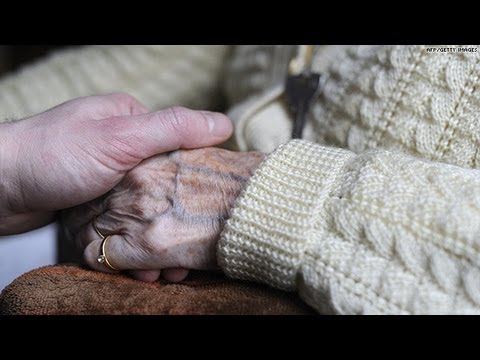
Caregiving rarely comes with a training manual. Most people do not spend years preparing to coordinate medical appointments, navigate insurance systems, advocate with healthcare providers, balance family expectations, manage medications, monitor changing health conditions, and maintain their own lives at the same time. Instead, they learn because circumstances require it.
Along the way, many caregivers discover that they have been measuring themselves against an impossible standard.
They believe they should always know the right answer.
They believe they should always be available.
They believe they should never become frustrated, tired, overwhelmed, or uncertain.
They believe that if they care enough, work hard enough, or sacrifice enough, they can somehow eliminate every risk and solve every problem.
Real life does not work that way.
No caregiver can prevent every fall.
No caregiver can attend every appointment.
No caregiver can anticipate every crisis.
No caregiver can make every decision perfectly.
In many situations, there is no perfect solution waiting to be discovered. There are only imperfect options, each carrying its own benefits, risks, costs, and consequences. Caregivers frequently find themselves choosing between alternatives that are all reasonable, all imperfect, and all emotionally difficult.
A daughter may want her mother to remain at home because that is where she is happiest. At the same time, she may worry about safety. A spouse may want to honor a partner's wishes while also recognizing that their care needs have grown beyond what one person can reasonably provide. An adult child may desperately want to do more while recognizing that they still have children, work responsibilities, financial obligations, and limits of their own.
These situations rarely produce clear winners.
What they require is judgment, flexibility, and the willingness to make the best decision possible with the information available at the time.
Perhaps that is why caregivers often describe the experience in ways that seem contradictory.
The same person may describe caregiving as exhausting and meaningful.
Stressful and rewarding.
Frustrating and loving.
Overwhelming and important.
None of these descriptions are wrong.
Caregiving has a way of holding multiple truths at the same time.
It asks a great deal from people. It requires patience, adaptability, resilience, and persistence. It can challenge relationships, test emotional limits, and force people to confront difficult realities about aging, illness, and dependency.
Yet it can also create moments of remarkable connection.
Many caregivers discover strengths they did not know they possessed. Some develop deeper relationships with family members. Others gain a new appreciation for the ordinary moments they once took for granted. Even during difficult circumstances, there can be opportunities for growth, meaning, and connection.
The challenge is not simply learning how to care for another person.
The challenge is learning how to care for another person while still remaining a whole person yourself.
That may be the most important lesson in this entire chapter.
Caregiving was never intended to be a one-person job. Families, friends, neighbors, professionals, community organizations, and public services all play important roles in supporting people as they age. The healthiest caregiving situations are often those in which responsibility is shared rather than carried alone.
Fortunately, caregivers do not have to navigate these challenges without support.
In the next section, we will explore the community resources, respite programs, adult day services, and support systems that help families share the responsibility of care and make caregiving more sustainable over time.